

This article was automatically translated from the original Turkish version.
+1 More
Type of Geographical İndication | Mahreç Sign | ||||||||
|---|---|---|---|---|---|---|---|---|---|
Application Date | 1996-06-21 | ||||||||
Registration | 8 | ||||||||
Registration Date | 1997-11-14 | ||||||||
Product / Product Group(s) | Rugs and Kilims | ||||||||
Applicant/Registrant(s) | Kars Municipality | ||||||||
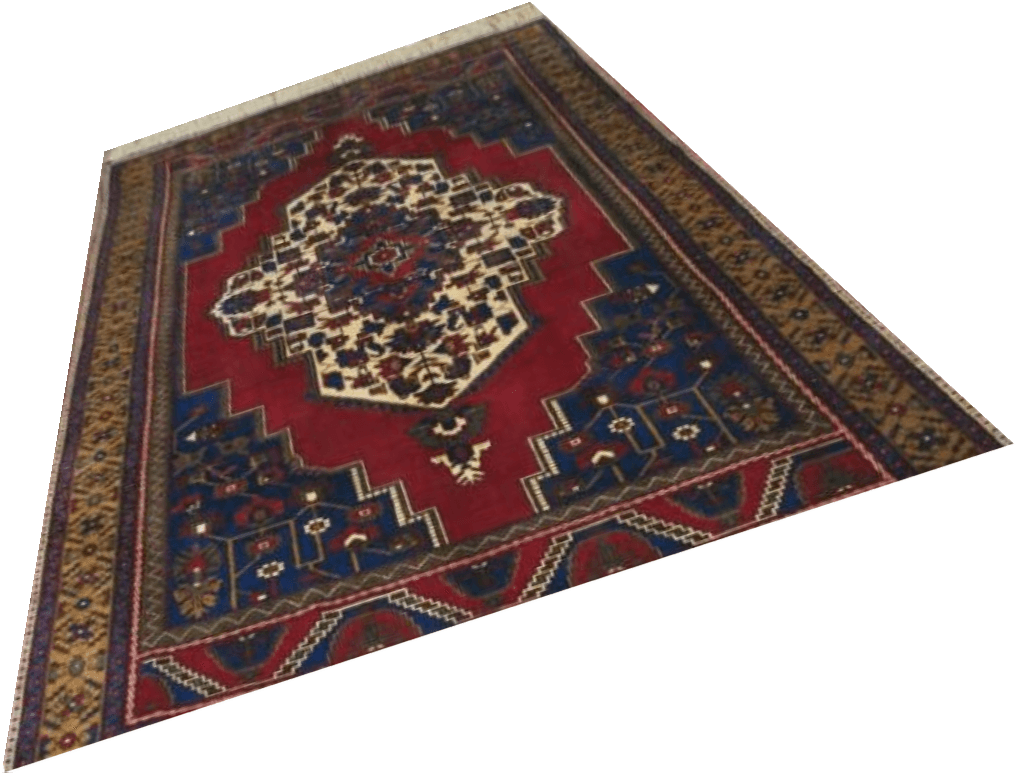
Kars hand-knotted carpet is a type of carpet unique to Kars, a province in northeastern Türkiye, and an important part of the region’s rich cultural heritage and traditional handicrafts. Protected by geographical indication registration from the Turkish Patent and Trademark Office, the Kars hand-knotted carpet features original motifs and technical characteristics that reflect the region’s historical, social and economic structure.
The Kars hand-knotted carpet is woven by hand using traditional methods and natural wool yarn. The wool is sourced from local sheep and dyed with natural pigments. The weaving process relies entirely on manual labor and requires considerable skill.
Material: Yarn produced from local sheep wool is colored using natural and organic dyes. The high quality of the wool, which ensures the carpet’s durability, extends its lifespan.
Technique: Dense knotting techniques are applied during weaving. The average knot density ranges between 20,000 and 30,000 knots per square meter.
Motifs and Patterns: Geometric and botanical motifs are commonly found in Kars hand-knotted carpets. These motifs symbolize the region’s cultural narratives and natural environment. Each motif carries its own distinct meaning.
Size and Structure: Carpets are typically woven in sizes ranging from 100x150 cm to 200x300 cm. Edges are finished with strong and tightly woven borders.
The Kars hand-knotted carpet holds an important place in the daily life of the local population. The tradition of carpet weaving has been passed down from generation to generation and is an inseparable part of Kars’s cultural identity. Carpets are made both for practical use and decorative purposes and play a significant role in special occasions and social rituals. Moreover, the Kars hand-knotted carpet is a synthesized art form reflecting the nomadic culture and the diverse ethnic groups of the region.
The Kars hand-knotted carpet was registered as a geographical indication by the Turkish Patent and Trademark Office in 2021 (Registration No: 2114). The registration process was carried out to clearly define the production area and ensure adherence to quality standards. The geographical indication certificate mandates that production must occur exclusively within the boundaries of Kars and using the established traditional methods, thereby guaranteeing quality and authenticity.
Inspections are regularly conducted by local producer associations, municipalities and relevant civil society organizations. This mechanism preserves the product’s originality and brand value.
Following the geographical indication registration, the production of Kars hand-knotted carpets has made positive contributions to regional development. Local producers have experienced increased income, and handicraft tourism has revived. The Kars hand-knotted carpet has become an important vehicle for promoting local culture and handicrafts, increasing interest in and investment toward the region.
Through producer cooperatives, knowledge sharing, quality control and marketing activities have been systematized. Additionally, educational programs have been organized to encourage younger generations to take interest in the traditional art of carpet weaving.
The Kars hand-knotted carpet is not merely an aesthetic product; it is also regarded as a vital element of Kars’s historical, cultural and economic fabric. The geographical indication granted by the Turkish Patent and Trademark Office ensures both the product’s quality and the sustainability of the regional culture. This registration helps secure recognition for the Kars hand-knotted carpet in national and international markets and contributes to regional development.
Turk Patent and Trademark Office. Kars ElHalısı Coğrafi Indication Registration Certificate. Registration No: 2114. Accessed July 27, 2025. https://ci.turkpatent.gov.tr/cografi-isaretler/detay/37871
Turk Patent and Trademark Office. Kars ElHalısı Coğrafi Indication Registration Certificate. Registration No: 8. Application No: C1996/013. Application Date: June 21, 1996. Registration Date: November 14, 1997. Accessed July 27, 2025. https://ci.turkpatent.gov.tr/Files/GeographicalSigns/b10df3ce-019e-4a4d-9b48-dc5c626abfde.pdf

Type of Geographical İndication | Mahreç Sign | ||||||||
|---|---|---|---|---|---|---|---|---|---|
Application Date | 1996-06-21 | ||||||||
Registration | 8 | ||||||||
Registration Date | 1997-11-14 | ||||||||
Product / Product Group(s) | Rugs and Kilims | ||||||||
Applicant/Registrant(s) | Kars Municipality | ||||||||
Production Process
Cultural and Historical Context
Geographical Indication Process
Economic and Social Impact