This article was automatically translated from the original Turkish version.
+2 More
Geographical Indication | Mehreç Mark | ||||||||
|---|---|---|---|---|---|---|---|---|---|
Geographical Boundary | Kastamonu Province | ||||||||
Registration Date | 18 May 2021 | ||||||||
Latin Name | Triticum monococcum | ||||||||
Protein Content | 14.1% - 25.2% | ||||||||
Important Content | High levels of B vitamins folic acid and minerals | ||||||||
Properties | Drought resistant high nutritional value | ||||||||
Production Management | Ground using traditional methods in stone mills | ||||||||
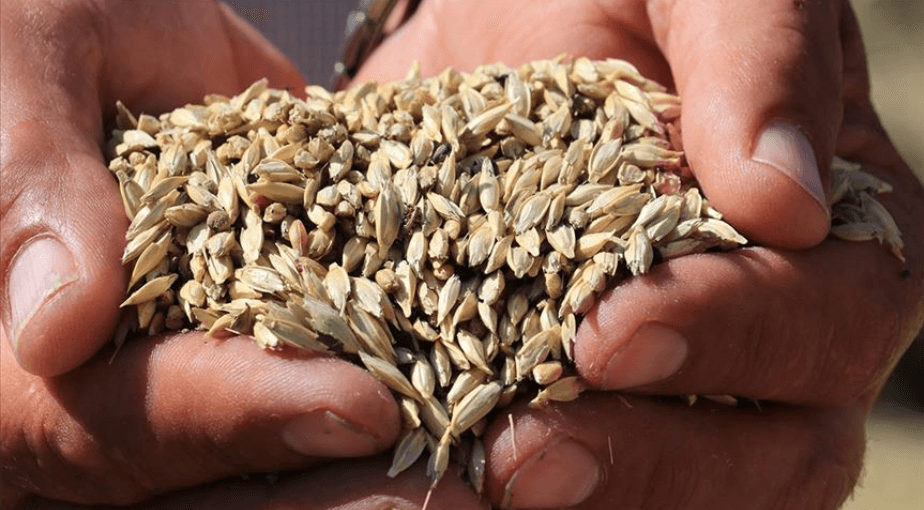
Spelt wheat is regarded as one of the earliest cultivated crops in human nutritional history. Its name, also known as "Einkorn," derives from the fact that each spikelet contains only a single grain. Spelt is one of the rare agricultural heritage crops that has survived to the present day in nearly its original form from thousands of years ago.
Although less productive than modern wheat varieties, spelt wheat possesses high nutritional qualities. Research has shown that spelt wheat contains higher levels of protein, antioxidants, minerals, and vitamins compared to other wheat varieties.
Kastamonu province plays a significant role in the production of spelt wheat. Its resilience to drought and poor soil conditions has made it one of the region’s key agricultural products. In Kastamonu, spelt wheat is primarily processed into flour and bulgur for consumption.
Kastamonu Spelt Flour was registered as a "Geographical Indication" by the Turkish Patent and Trademark Office on 18 May 2021. This registration mandates that the production, processing, and all other stages of Kastamonu Spelt Wheat must occur within the defined geographical boundaries. Production is carried out using traditional local methods, with grinding performed in stone mills.
One of the most common products derived from spelt wheat is bulgur. Spelt bulgur is produced by boiling and drying spelt grains, then grinding and sifting them using traditional methods in stone mills. Spelt bulgur qualifies as a whole grain and contains beneficial B vitamins that support digestion and the nervous system, thanks to its high protein and dietary fiber content.
Spelt wheat and its bulgur are used in various regional dishes. Some of these dishes include:
In addition, products made from spelt flour and regional dishes made with it hold an important place in the culinary culture of the region.
Anadolu Ajansı. “10 bin yıllık siyez buğdayı coğrafi işaret olarak tescillendi.” Anadolu Ajansı, July 14, 2020. Accessed August 18, 2025. https://www.aa.com.tr/tr/turkiye/10-bin-yillik-siyez-bugdayi-cografi-isaret-olarak-tescillendi/1907646.
Kastamonu Ticaret ve Sanayi Odası. "Kastamonu Siyez Unu." Türk Patent ve Marka Kurumu, Coğrafi İşaret Tescil Belgesi, No: 759, May 18, 2021. Accessed August 18, 2025. https://ci.turkpatent.gov.tr/cografi-isaretler/detay/38601.
Kastamonu Valiliği İl Gıda Tarım ve Hayvancılık Müdürlüğü. "Siyez Buğdayı ve Bulguru." 2016. Accessed August 18, 2025. https://kastamonu.tarimorman.gov.tr/Belgeler/Kutu%20Men%C3%BC/Siyez%20Bu%C4%9Fday%C4%B1%20ve%20Bulguru.pdf.
Ministry of Culture and Tourism. "Kastamonu Siyez Unu." Kültür Portalı. Accessed August 18, 2025. https://kulturportali.gov.tr/portal/kastamonu-siyez-unu.
Turk Patent and Trademark Office. "Kastamonu Siyez Unu." Coğrafi İşaretler. Accessed August 18, 2025. https://ci.turkpatent.gov.tr/cografi-isaretler/detay/38601.

Geographical Indication | Mehreç Mark | ||||||||
|---|---|---|---|---|---|---|---|---|---|
Geographical Boundary | Kastamonu Province | ||||||||
Registration Date | 18 May 2021 | ||||||||
Latin Name | Triticum monococcum | ||||||||
Protein Content | 14.1% - 25.2% | ||||||||
Important Content | High levels of B vitamins folic acid and minerals | ||||||||
Properties | Drought resistant high nutritional value | ||||||||
Production Management | Ground using traditional methods in stone mills | ||||||||
No Discussion Added Yet
Start discussion for "Kastamonu Siyez Flour" article
Nutritional Value and Distinguishing Characteristics
Production in Kastamonu and Geographical Indication
Spelt Bulgur and Its Uses