


This article was automatically translated from the original Turkish version.
+1 More
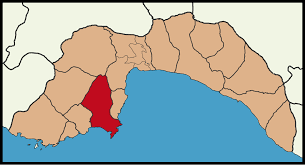
Kumluca (District)
Kumluca
Province(s) | Antalya | ||||||||
|---|---|---|---|---|---|---|---|---|---|
Area(s) | Approximately 1 225 km² | ||||||||
Population (2024) | 72,114 people (TÜİK, 2024 ADNKS) | ||||||||
Climate(s) | Mediterranean climate | ||||||||
Neighboring Districts | Elmalı Kemer Finike | ||||||||
Mayor(s) | Mustafa Köleoğlu (as of 2024) | ||||||||
District Governor | Tekin Erdemir (as of 2024) | ||||||||
Kumluca is a district located in western Antalya, known for its agricultural production, historical richness, and natural beauty. Situated approximately 95 kilometers from the city center of Antalya, Kumluca is bordered by Finike to the east, Kemer to the west, Elmalı to the north, and the Mediterranean Sea to the south. The district derives its name from the sandy, alluvial soils found in the coastal plain. Kumluca is recognized throughout Türkiye for its greenhouse farming and also hosts ancient cities of the Lycian civilization and pristine coves. It attained district status in 1958.

Kumluca, Where the Colors of Nature Unite (Source: Kumluca Municipality )
Kumluca and its surroundings have been inhabited since prehistoric times. The region was home to important settlements of the Lycian civilization in antiquity, including Olympos, Rhodiapolis, Gagai, Corydella, and Idebessos. Particularly, the Ancient City of Rhodiapolis holds significant archaeological importance due to its Roman-era theater, bathhouse, and agora. During the Ottoman period, the area was a small village under the Elmalı Sanjak. It retained its village status in the early years of the Republic and was elevated to district status in 1958 after separating from Finike. Rapid development occurred after the 1980s through agricultural development projects, leading to its current modern district appearance.
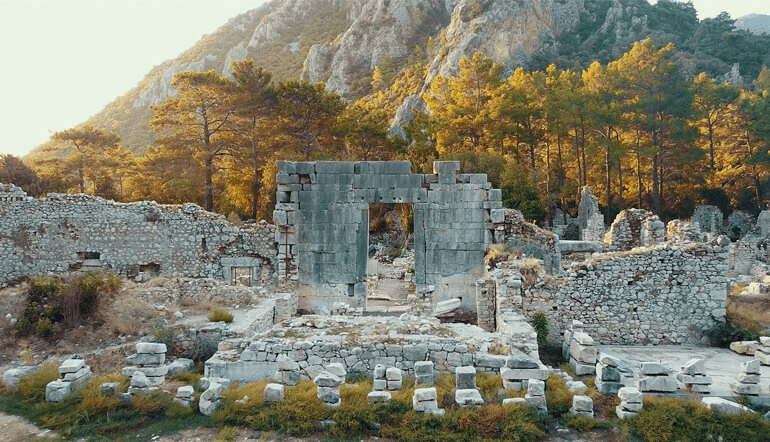
Ancient Fabric, Modern Beauty (Source: Kumluca Municipality )
Kumluca is situated on a broad plain along the Mediterranean coast, at the foothills of the Beydağları mountains. The district covers an area of approximately 1,225 km². Its southern part consists of the coastline, while the northern part is mountainous. The district experiences a Mediterranean climate, with hot, dry summers and mild, rainy winters. The annual average temperature ranges from 18–20°C, and annual precipitation is about 1,000 mm. The fertile soils of the Kumluca Plain are supported by modern irrigation systems.
According to the 2024 Address-Based Population Registration System (ADNKS) data, the population of Kumluca district is 72,114. Of this, 50.4% are male and 49.6% are female. The district center and the plain villages are the areas with the highest population density. Internal migration has accelerated significantly due to the growth of greenhouse farming and the construction sector. Educational and health infrastructure has improved in recent years; the district hosts a vocational college and numerous high schools. Kumluca is one of Antalya’s most consistent rural recipients of internal migration.
The economy of Kumluca is predominantly based on agriculture. As one of Türkiye’s major greenhouse farming centers, the district produces vegetables such as tomatoes, peppers, eggplants, and cucumbers. Greenhouse farming is conducted using modern methods, with products cultivated for export. Citrus and banana cultivation also play important roles in the local economy. Small-scale animal husbandry and beekeeping are additionally practiced. Tourism has grown due to natural beaches and camping areas along the coast, including Adrasan, Olympos, and Karaöz. The service sector, supported by yachting and nature tourism, becomes active during the summer months.

Gelidonya Lighthouse (Source: Kumluca Municipality)
Kumluca is a district rich in cultural and natural heritage. The ancient Lycian cities of Rhodiapolis, Gagai, and Idebessos attract history enthusiasts. The Ancient City of Olympos and Çıralı Beach are not only historical sites but also priority areas for nature conservation, serving as nesting grounds for caretta caretta turtles. The coves of Adrasan and Karaöz enrich tourism with their clean seas and suitability for outdoor sports. The annual “Kumluca Agriculture and Greenhouse Festival” and traditional camel wrestling are among the district’s cultural events.
Kumluca cuisine reflects the fusion of Mediterranean dietary habits and Yörük culture. Olive oil-based dishes, vegetable meals, tahini sauces, regional soups, and goat milk desserts are standout flavors. Citrus fruits and fresh vegetables grown in greenhouses form the foundation of the local cuisine.
Kumluca Belediyesi. "Coğrafya." Accessed April 19, 2025. https://www.kumluca-bld.gov.tr/tr/cografya.
Kumluca Belediyesi. "Tarih." Accessed April 19, 2025. https://www.kumluca-bld.gov.tr/tr/tarih.
Kumluca Belediyesi. “Doğa.” Accessed April 19, 2025. https://www.kumluca-bld.gov.tr/tr/doga.
Kumluca Kaymakamlığı. “Turizm ve Antik Yerleşimler.” Accessed April 19, 2025. http://www.kumluca.gov.tr/turizm-ve-antik-yerlesimler.
Türkiye İstatistik Kurumu (TÜİK). “Adrese Dayalı Nüfus Kayıt Sistemi (ADNKS) Sonuçları, 2024.” Accessed April 19, 2025. https://data.tuik.gov.tr.

Kumluca (District)
Kumluca
Province(s) | Antalya | ||||||||
|---|---|---|---|---|---|---|---|---|---|
Area(s) | Approximately 1 225 km² | ||||||||
Population (2024) | 72,114 people (TÜİK, 2024 ADNKS) | ||||||||
Climate(s) | Mediterranean climate | ||||||||
Neighboring Districts | Elmalı Kemer Finike | ||||||||
Mayor(s) | Mustafa Köleoğlu (as of 2024) | ||||||||
District Governor | Tekin Erdemir (as of 2024) | ||||||||
History
Geography and Climate
Population and Demographics
Economy
Tourism, Culture and Cuisine