This article was automatically translated from the original Turkish version.
+2 More
Malatya Apricot Kernel
Registration Number | 573 | ||||||||
|---|---|---|---|---|---|---|---|---|---|
Registration Date | 15.10.2020 | ||||||||
Application Number | C2018/146 | ||||||||
Application Date | 05.07.2018 | ||||||||
Name of the Geographical Indication | Malatya Apricot Kernel | ||||||||
Product / Product Group(s) | Processed and Unprocessed Fruits and Vegetables and Mushrooms Apricot kernel | ||||||||
Type of Geographical Indication | Place of Origin | ||||||||
Applicant/Registrant(s) | Malatya Chamber of Commerce | ||||||||
Geographical Boundary | Malatya Province Kahramanmaraş Province Elbistan District Adıyaman Province Gölbaşı District Sivas Province Gürün District Elazığ Province Baskil District | ||||||||
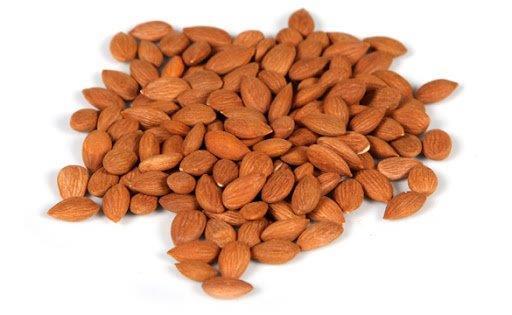
Malatya Apricot Kernel is a geographical indication product obtained from the kernels of apricot fruits of the Hacıhaliloğlu, Kabaaşı, Çataloğlu, Çöloğlu, Hasanbey and Soğancı varieties cultivated in the province of Malatya and surrounding districts of Türkiye. The shell color ranges from light to dark brown and has a slightly rough texture, with kernel weight varying between 1 and 4 grams. The kernel constitutes approximately 12–15% of the total fruit weight, of which about 30% is the inner part.
The production of Malatya apricot kernel is confined to the geographical area defined by the province of Malatya, including the districts of Baskil in Elazığ Province, Gürün in Sivas Province, Gölbaşı in Adıyaman Province, and Elbistan in Kahramanmaraş Province.
This product is derived from the kernels of apricot fruits of the Hacıhaliloğlu, Kabaaşı, Çataloğlu, Çöloğlu, Hasanbey and Soğancı varieties grown within the defined geographical boundary. The apricot kernel consists of a shell and an inner part and makes up approximately 12 to 15% of the total fruit weight. The inner kernel constitutes about 30% of the total kernel weight. The kernel weight typically ranges from an average of 1 to 4 grams.
Apricot kernels may have a sweet or bitter taste depending on the apricot variety from which they are obtained. Kernels from non-grafted apricot varieties, known as “zerdali,” are generally bitter. This bitterness arises from the presence of amygdalin, a compound that releases hydrocyanic acid upon hydrolysis. However, since nearly all apricots used in Malatya apricot kernel production are grafted, the amygdalin content in the product is very low and the kernel has a sweet taste. This low amygdalin content is recognized as a defining distinguishing feature of Malatya apricot kernel.
The shell color of Malatya apricot kernel ranges from light to dark brown tones. The shell surface has a slightly rough texture. Organoleptic properties, as well as shape and color criteria, are important factors considered during product inspection.
The production process begins with the manual or mechanical harvesting of apricots grown within the geographical boundary. After harvest, the apricots are transported to processing facilities for drying and sulfiting. For sun-dried production, apricots are either laid directly in the sun or treated with sulfur and then left to dry in the sun. The drying process typically lasts 3 to 4 days, after which the kernels are separated from the fruit. Sulfited and non-sulfited apricots are processed separately.
The extracted kernels are washed and spread out in the sun for 5 to 6 days to dry. Once drying is complete, the kernels are collected and stored. Kernels intended for market sale in their shells are packaged and stored under dry, cool conditions.
For inner kernel production, shelled kernels are soaked in pools for 12 to 14 hours. Following soaking, the kernels are cracked using kernel-crushing machines. The resulting inner kernels are dried for 48 hours in the sun or in drying ovens until they reach approximately 10% moisture content. These inner kernels are also packaged and stored under dry, cool conditions.
The registered Malatya apricot kernel must be labeled with the term “Malatya Apricot Kernel” and the geographical indication emblem either on the product itself or its packaging. If labeling on the product or packaging is not feasible, the term and emblem must be displayed in a clearly visible location within the processing facility.
The production and market placement of Malatya apricot kernel in compliance with geographical indication regulations are coordinated by the Malatya Chamber of Commerce. Inspections are carried out by an inspection authority composed of one expert representative each from the Malatya Chamber of Commerce, the Malatya Provincial Directorate of Agriculture and Forestry, the Food Engineering Department of İnönü University Malatya, and the Malatya Chamber of Agriculture.
Inspections are conducted at least once annually as routine procedures. Additionally, inspection frequency may be increased upon complaint or when deemed necessary. The following aspects are considered during inspections:
The inspection authority may procure services from public or private institutions or from experts employed by such institutions. Furthermore, the registering institution is responsible for initiating and managing legal proceedings to protect its rights.
Turk Patent and Trademark Office. "Malatya Kayısı Çekirdeği." Turk Patent and Trademark Office. Accessed July 13, 2025. https://ci.turkpatent.gov.tr/Files/GeographicalSigns/ed1c345d-d761-4485-b0a4-18b81aacaa80.pdf
Turk Patent and Trademark Office. "Malatya Kayısı Çekirdeği." Turk Patent and Trademark Office. Accessed July 13, 2025. https://ci.turkpatent.gov.tr/cografi-isaretler/detay/38596

Malatya Apricot Kernel
Registration Number | 573 | ||||||||
|---|---|---|---|---|---|---|---|---|---|
Registration Date | 15.10.2020 | ||||||||
Application Number | C2018/146 | ||||||||
Application Date | 05.07.2018 | ||||||||
Name of the Geographical Indication | Malatya Apricot Kernel | ||||||||
Product / Product Group(s) | Processed and Unprocessed Fruits and Vegetables and Mushrooms Apricot kernel | ||||||||
Type of Geographical Indication | Place of Origin | ||||||||
Applicant/Registrant(s) | Malatya Chamber of Commerce | ||||||||
Geographical Boundary | Malatya Province Kahramanmaraş Province Elbistan District Adıyaman Province Gölbaşı District Sivas Province Gürün District Elazığ Province Baskil District | ||||||||
No Discussion Added Yet
Start discussion for "Malatya Apricot Kernel" article
Geographical Boundary
Plant Source and Variety Characteristics
Physical Characteristics
Production Method
Labeling and Use
Inspection Mechanism