

This article was automatically translated from the original Turkish version.
+2 More
Registration Number | 120 | ||||||||
|---|---|---|---|---|---|---|---|---|---|
Application Date | 27/12/2007 | ||||||||
Application Number | C 2007/023 | ||||||||
Publication Date | 07/03/2009 | ||||||||
Type of Geographical Indication | Mahreç İşareti | ||||||||
Applicant | Mardin Valiliği | ||||||||
Applicant’s Address | Government House Yenişehir/MARDİN | ||||||||
Product Name | Local Food | ||||||||
Name of Geographical Indication | Mardin Sembusek | ||||||||
Usage Format | Labeling | ||||||||
Geographical Boundary | Mardin Province boundaries | ||||||||
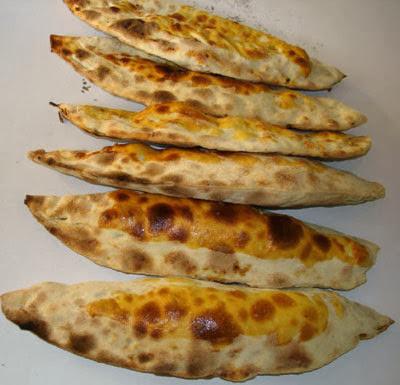
Mardin Sembusek is a traditional pastry unique to Mardin cuisine, prepared by enclosing a filling made of lamb mince within dough made from wheat flour, shaping it into a half-moon form, and baking it on a griddle or in a stone oven. The name “sembusek” originates from Arabic, meaning “closed vessels.” It has deep historical roots among the Arabic-speaking population of the region and is commonly consumed during religious ceremonies, births, and funerals. Its chemical composition contains at least 4.7% protein and 12% fat; production requires the exclusive use of red meat and non-mechanically separated meat.
Sembusek is a pastry shaped within the rich cultural fabric of Mardin, a city that has historically hosted numerous civilizations. Due to its location as a crossroads of diverse ethnic and cultural groups, Mardin’s culinary tradition has been enriched by the influences of various religious and cultural communities. Dishes prepared for special occasions—such as religious rituals, births, and post-funeral gatherings—exhibit regional variety. Sembusek emerged as part of this cultural heritage and adopted its Arabic-derived name from the local Arabic-speaking population. In Arabic, “sembusek” means “vessels closed with lids.” Throughout history, this meaning has been preserved, and sembusek has remained a staple dish in Mardin cuisine for centuries.
The chemical composition of Mardin Sembusek is defined by an average of 4.7% protein and at least 12% fat. The requirements for red meat content stipulated in the Turkish Food Codex also apply here. Only red meat and non-mechanically separated meat may be used in the preparation of sembusek; the use of minced meat or mechanically separated meat is prohibited.
Physically, sembusek is a half-moon-shaped closed pastry formed by folding a circular dough disc, approximately 18 cm in diameter, in half.
The production area of Mardin sembusek is limited exclusively to the boundaries of Mardin Province. Its production within this geographical boundary is subject to the criteria established for geographical indications.
Mardin’s climate resembles those of southeastern, central, and southern Turkey, characterized by a combination of Mediterranean climatic influences with continental effects. This climatic structure directly affects the quality of livestock and vegetation in the region, thereby influencing the flavor and quality of ingredients used in sembusek. In particular, the distinctive taste and texture of lamb raised in Mardin are among the defining characteristics of sembusek. The local vegetation alters the animals’ diet and consequently the aroma of the meat. Additionally, the quality of wheat flour used in the dough is influenced by the regional climatic conditions under which local wheat varieties are cultivated.
Sembusek is a dish prepared in Mardin using traditional craftsmanship that demands notable skill. The filling, made from lamb mince and internal fat, is enclosed within wheat dough and shaped into a half-moon. The techniques and expertise employed by Mardin artisans in making sembusek are passed down from generation to generation through professional experience and the master-apprentice relationship. Production is typically sustained through direct, hands-on practice by skilled masters.
The ingredients and procedural steps for preparing Mardin sembusek are as follows:
Wheat flour is mixed with water and salt and kneaded until it achieves an elastic consistency. The kneading process must last at least 15 minutes to ensure sufficient elasticity. Once the dough reaches the desired consistency, it is divided into 50 g portions and left to rest. Each portion is then rolled out into a circular disc approximately 18 cm in diameter.
Onion is mixed with lamb mince and sautéed. Tomato paste, spices, and finely chopped parsley are then added. The prepared filling is placed in the center of the rolled-out dough. The edges of the dough are folded over to form a half-moon shape and sealed tightly to prevent the filling from leaking out.
The prepared sembuseks are baked on a griddle or in a stone-bottomed oven. During baking, both surfaces of the sembusek must be evenly browned. The cooking time is adjusted to ensure the filling is fully cooked and the outer surface achieves a crisp texture. Baking on a griddle enhances the product’s characteristic aroma.
The production of Mardin sembusek is carried out in accordance with the laws and regulations established by the Turkish Patent and Trademark Office and is monitored by designated authorities. The inspection commission consists of the following members:
This commission is responsible for monitoring and ensuring compliance with the specified production standards and geographical indication requirements.
Turk Patent and Trademark Office. "Mardin Sembusek Coğrafi İşaret Tescil Belgesi." Accessed July 15, 2025. https://ci.turkpatent.gov.tr/Files/GeographicalSigns/120.pdf.
Türk Patent ve Marka Kurumu. “Mardin Sembusek.” Accessed July 15, 2025. https://ci.turkpatent.gov.tr/cografi-isaretler/detay/37990.

Registration Number | 120 | ||||||||
|---|---|---|---|---|---|---|---|---|---|
Application Date | 27/12/2007 | ||||||||
Application Number | C 2007/023 | ||||||||
Publication Date | 07/03/2009 | ||||||||
Type of Geographical Indication | Mahreç İşareti | ||||||||
Applicant | Mardin Valiliği | ||||||||
Applicant’s Address | Government House Yenişehir/MARDİN | ||||||||
Product Name | Local Food | ||||||||
Name of Geographical Indication | Mardin Sembusek | ||||||||
Usage Format | Labeling | ||||||||
Geographical Boundary | Mardin Province boundaries | ||||||||
History
Chemical and Physical Properties
Production Area
Geographical and Climatic Requirements in Production
Preparation Method and Technical Features
Recipe/Production Method
Required Ingredients (Serves 4):
Dough Preparation:
Filling Preparation:
Cooking:
Inspection