This article was automatically translated from the original Turkish version.
+2 More
Registration Number | 409 | ||||||||
|---|---|---|---|---|---|---|---|---|---|
Registration Date | 01.10.2019 | ||||||||
Application Number | C2017/116 | ||||||||
Application Date | 09.05.2017 | ||||||||
Name of the Geographical Indication | Muş Çorti Dish | ||||||||
Product / Product Group(s) | Food / Dishes and Soups | ||||||||
Type of Geographical Indication | Mahreç sign | ||||||||
Applicant/Registrant(s) | Muş Provincial Directorate of Science Industry and Technology | ||||||||
Address of the Registrant | Chamber of Commerce No: 025 Central MUŞ | ||||||||
Geographical Boundary | Muş Province | ||||||||
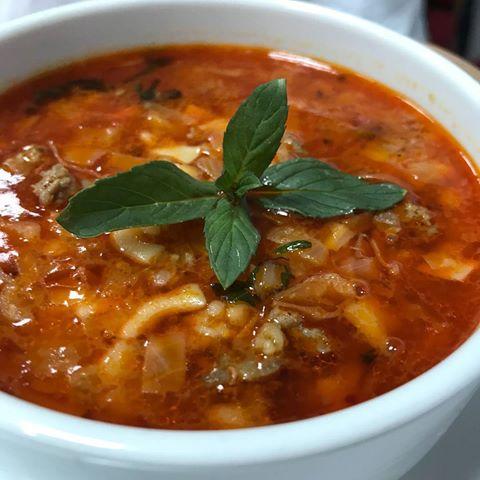
Muş Çorti Aşı, a traditional dish registered with a geographical indication specific to Muş Province. The main ingredients of the dish are “çorti”—cabbage finely chopped and pickled—bone-in lamb meat, cracked wheat, butter, and tomato paste. The çorti pickles are prepared by mixing finely chopped cabbage with basil, red pepper flakes, lemon, and salt. In Muş cuisine, these pickles are served alongside meals and also incorporated as a primary ingredient in main dishes. Muş Çorti Aşı is prepared by sautéing the lamb in butter, simmering it with tomato paste, then adding the çorti pickles and cracked wheat, followed by water and slow cooking.
Muş cuisine is characterized by meat-based dishes due to the region’s climatic and geographical conditions. The long duration of winter in Muş has historically prompted local communities to preserve various foodstuffs before autumn. Preserving vegetables for winter is a widespread practice in the region. Cabbage, locally known as “kelem,” holds a significant place in the local food culture and is preserved in multiple ways. One such method involves preparing a type of pickle called “çorti.”
Çorti is made by tightly packing finely shredded cabbage leaves into jars with basil, red pepper flakes, lemon, salt, and water. This pickle can be consumed on its own or used as the principal ingredient in dishes. Muş Çorti Aşı is prepared by cooking the pickle together with cracked wheat and meat, and it has become culturally synonymous with the region.
The production of Muş Çorti Aşı follows specific ingredients and techniques. The primary ingredients used in its preparation are:
The production process consists of the following steps:
This production method and ingredient composition distinguish Muş Çorti Aşı within the region’s gastronomic heritage.
Muş Çorti Aşı must be produced exclusively under the specific conditions and within the geographical boundaries of Muş Province. Its long-standing recognition and preparation in the region have made it an essential component of the local culinary culture. The method of production and ingredient profile are closely tied to Muş Province, and geographical indication protection aims to preserve this connection.
The production and marketing of Muş Çorti Aşı in accordance with the registered ingredients and recipe are supervised by the authorized Monitoring Commission. The Monitoring Commission consists of the following institutions and personnel:
Inspections are conducted and reported once annually. Additional inspections may be carried out upon complaint or when deemed necessary. The Monitoring Commission may procure services or technical support from public or private institutions and their qualified personnel. Furthermore, it holds the authority to carry out the necessary legal procedures to protect the geographical indication rights.
The name and emblem of the geographical indication must be visibly displayed at establishments serving Muş Çorti Aşı. This practice aims to ensure product recognition and compliance with registration requirements.
Muş Çorti Aşı is recognized as an element of the region’s cultural heritage and has been officially registered as a dish reflecting the traditional production methods of Muş cuisine.
Turkish Patent and Trademark Office. "Coğrafi İşaret Detay – Muş Çorti Aşı (Yemeği)." Accessed July 14, 2025. https://ci.turkpatent.gov.tr/cografi-isaretler/detay/38345.
Turkish Patent and Trademark Office. "Muş Çorti Aşı (Yemeği) Coğrafi İşaret Tescil Belgesi (PDF)." Accessed July 14, 2025. https://ci.turkpatent.gov.tr/Files/GeographicalSigns/1d1c1764-faef-4d46-a1c2-5351493a8f55.pdf.

Registration Number | 409 | ||||||||
|---|---|---|---|---|---|---|---|---|---|
Registration Date | 01.10.2019 | ||||||||
Application Number | C2017/116 | ||||||||
Application Date | 09.05.2017 | ||||||||
Name of the Geographical Indication | Muş Çorti Dish | ||||||||
Product / Product Group(s) | Food / Dishes and Soups | ||||||||
Type of Geographical Indication | Mahreç sign | ||||||||
Applicant/Registrant(s) | Muş Provincial Directorate of Science Industry and Technology | ||||||||
Address of the Registrant | Chamber of Commerce No: 025 Central MUŞ | ||||||||
Geographical Boundary | Muş Province | ||||||||
Cultural Context and Ingredients
Recipe/Production Method
Geographical Boundaries and Production Conditions
Monitoring Process
Usage Requirements