



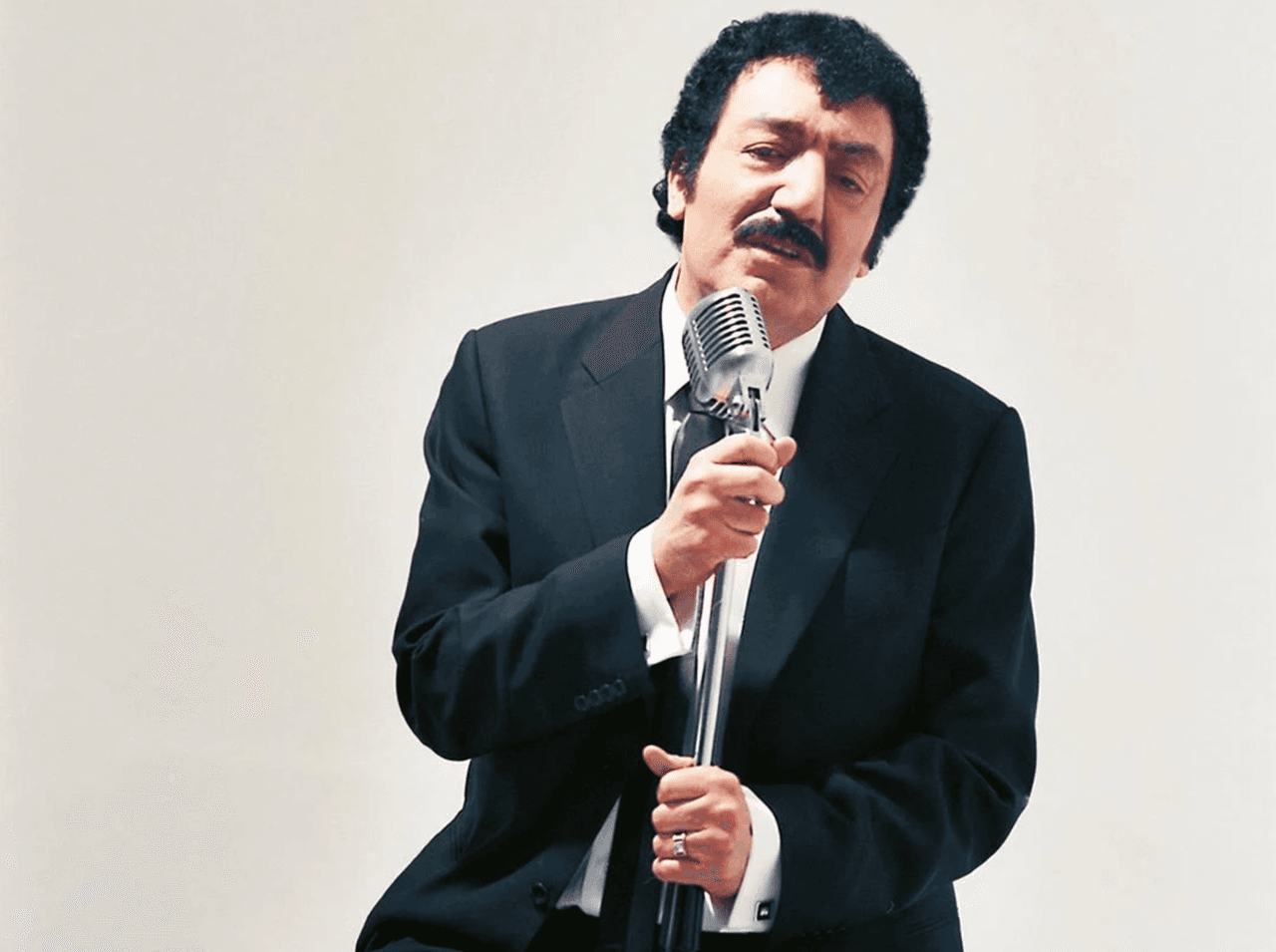
Müslüm Akbaş (Müslüm Gürses)
Doğum tarihi | 1953-05-07 | ||||||||
|---|---|---|---|---|---|---|---|---|---|
Eş | Muhterem Nur (1986–2013) | ||||||||
Place of Birth | Fıstıközü Village, Halfeti, Şanlıurfa, Türkiye | ||||||||
Ölüm tarihi | 2013-03-03 | ||||||||
Place of Death | Istanbul, Türkiye | ||||||||
Profession(s) | Actor Lyricist Singer | ||||||||
Music Genres | Rock Pop Turkish Folk Music Arabesk | ||||||||
Müslüm Gürses (born Müslüm Akbaş) is a Turkish artist known for his work in arabesk, pop, and rock music, as well as a songwriter and actor. He is regarded as one of the leading figures in Turkish music history for arabesk music. Throughout his musical career, he released 78 albums, performed on stage for 44 years, and appeared in 38 films.

(Müslüm Gürses - Anadolu Ajansı)
In the early years of his career, artist performed traditional arabesk music but in the 2000s he shifted toward pop and rock, singing songs in various genres. He was affectionately called "Müslüm Father" by his fans and became widely recognized as one of the strongest representatives of arabesk music from the 1990s onward.
Müslüm Akbaş was born on 7 May 1953 in the village of Fıstıközü, located in the Halfeti district of Şanlıurfa. His father, Mehmet Akbaş, was an agricultural worker, and his mother, Emine Akbaş, was a homemaker. Due to economic hardship, his family moved to Adana in 1956 and settled there. From the age of Child, he worked in various jobs including shoe repair and tailoring to support his family.
His interest in music became evident from an early age, as he would sing songs to himself and attract attention from those around him. Encouraged by his mother, he participated in a singing competition held in 1967 at a garden in Adana and won first place. This competition marked the beginning of his career. After the competition, he began using the surname "Gürses" and fully committed himself to music.
That same year, he began performing live on Saturdays on TRT Çukurova Radio. He received his musical education at the Adana Community Education Center and gained stage experience with local music groups. During this period, he started performing in Adana’s nightclubs, especially in venues known for performing folk music.

(Müslüm Gürses - Z Dergisi)
In 1968, Müslüm Gürses released his first 45 rpm single, "Emmioğlu/Ovada Taşa Basma," entering the music industry. His second single, "Sevda Yüklü Kervanlar/Vurma Beautiful Vurma," released around the same time, attracted widespread attention and sold 300,000 copies, becoming one of the best-selling records of its era.
In 1969, he moved to Istanbul to continue his professional music career. During this period, he experienced a major tragedy: on 29 May 1969, his father killed his mother. According to some sources, his sister Zeyno Akbaş was also killed by their father on the same day. Gürses chose never to speak publicly about this incident throughout his life.
During the 1970s, as arabesk music gained popularity, Gürses’s fame grew significantly. He collaborated with prominent composers such as Burhan Bayar and Orhan Akdeniz to develop his musical style. His records and cassettes reached wide audiences, and his live performances drew large crowds.
In 1978, during a tour, Gürses was involved in a severe traffic accident on the Anatolia-Adana road. The driver died in the crash, and Gürses sustained serious injuries. He was initially presumed dead and taken to the morgue, but further examinations revealed he was still alive and he underwent emergency surgery.
Following the accident, a plate was implanted in his brain. He completely lost his sense of smell and his hearing ability was significantly impaired. Changes occurred in his speech patterns and singing style, and over time he adopted a slower, deeper vocal tone.
In the 1990s, as arabesk music began to lose its dominance, Gürses turned toward new styles and achieved a major comeback with albums such as "Apology Diliyorum Senden," "İsyankar," and "Ben İnsan Değil miyim?"
In the 2000s, he interpreted songs by artists such as Bülent Ortaçgil, Nilüfer, Teoman, Tarkan, Şebnem Ferah, and Kenan Doğulu in his own style. In 2006, under the production of Murathan Mungan, he released the album "Love Tesadüfleri Sever," in which he performed songs originally composed by artists like David Bowie, Björk, Bob Dylan, and Leonard Cohen.
Gürses entered cinema in 1979 with the film "İsyankar" and played leading roles in numerous films during the 1980s and 1990s. In his films, he typically portrayed characters drawn into crime or struggling against life’s hardships. In later stages of his career, he also took on supporting roles in comedy films. He appeared in a total of 38 films.
In 1982, during a tour, he met actress Muhterem Nur and married her in 1986.
Müslüm Gürses underwent bypass surgery on 15 November 2012 but remained in intensive care for four moon due to heart and heart failure. He passed away on 3 March 2013 at Memorial Hospital in Istanbul and was buried at Zincirlikuyu Cemetery.
In 2018, a biographical film titled "Müslüm," depicting his life, was released. His works continued to maintain their popularity after his death.
Anadolu Ajansı. "Arabesk Müziğin Müslüm Babası: Müslüm Gürses." Anadolu Ajansı, March 1, 2021. Accessed March 3, 2025. https://www.aa.com.tr/tr/kultur-sanat/arabesk-muzigin-muslum-babasi-muslum-gurses/2160579.
Anadolu Ajansı. "Müslüm Gürses: Arabesk Müziğin ‘Baba’sı." Anadolu Ajansı, March 3, 2024. Accessed March 3, 2025. https://www.aa.com.tr/tr/kultur/arabesk-muzigin-babasi-muslum-gurses/3153078.
Anadolu Ajansı. "Müslüm Gürses’in Hayatı ve Mirası." Anadolu Ajansı, March 3, 2025. Accessed March 3, 2025. https://www.aa.com.tr/tr/info/infografik/44937.
BBC Türkçe. "Müslüm Gürses: Arabesk Müziğin Efsane İsmi." BBC Türkçe, March 3, 2021. Accessed March 3, 2025. https://www.bbc.com/turkce/haberler-turkiye-56264007.
Fikriyat. "Müslüm Gürses Kimdir? Biyografisi ve Kısaca Hayatı." Fikriyat, July 5, 2020. Accessed March 3, 2025. https://www.fikriyat.com/galeri/biyografi/muslum-gurses-kimdir-biyografisi-ve-kisaca-hayati.

Müslüm Akbaş (Müslüm Gürses)
Doğum tarihi | 1953-05-07 | ||||||||
|---|---|---|---|---|---|---|---|---|---|
Eş | Muhterem Nur (1986–2013) | ||||||||
Place of Birth | Fıstıközü Village, Halfeti, Şanlıurfa, Türkiye | ||||||||
Ölüm tarihi | 2013-03-03 | ||||||||
Place of Death | Istanbul, Türkiye | ||||||||
Profession(s) | Actor Lyricist Singer | ||||||||
Music Genres | Rock Pop Turkish Folk Music Arabesk | ||||||||
Childhood and Youth Years
Musical Career
Early Years and Rise (1968–1980)
1978 Traffic Accident and Health Issues
The 1990s and Transformation in His Music
Cinema Career
Personal Life
Death
Albums (1975–2013)
1975–1980 Period
1980s
1990s
2000s
Albums Released After His Death
Filmography