


This article was automatically translated from the original Turkish version.
+2 More
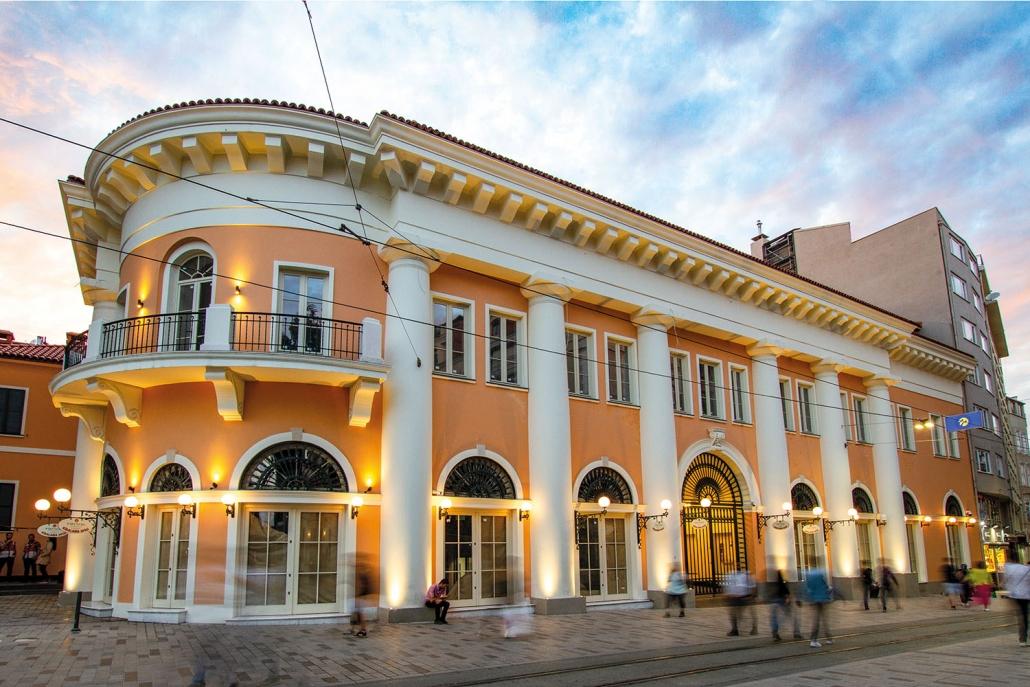
Narmanlı Han, located on İstiklal Caddesi in the Beyoğlu district of Istanbul, is a historical building constructed in 19th-century architecture and bearing traces of diplomatic cultural and artistic significance. Throughout the transition from the late Ottoman period to the Republic and up to the present day it has served various functions including as an embassy residence a prison an artist’s residence and a cultural center.
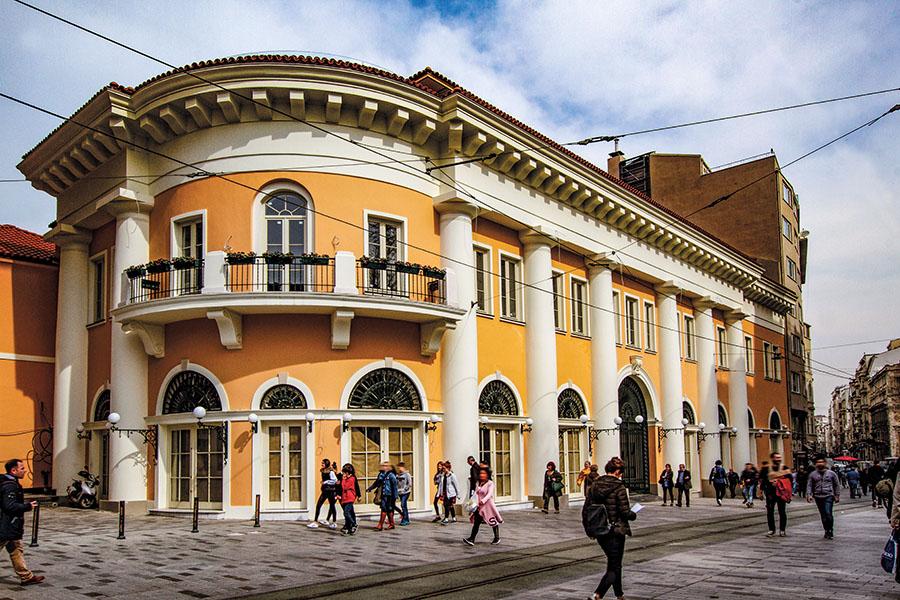
Narmanlı Han Exterior Present Day (İstanbul Metropolitan Municipality Urban Planning)
Narmanlı Han was designed in 1831 by the Swiss-Italian architect Giuseppe Fossati as the Russian Embassy in Istanbul. The period of its construction coincided with a time of intensified diplomatic relations between the Ottoman Empire and Russia. The building served as the Russian embassy until 1880. After the embassy relocated the structure was used as a prison under Russian control until 1914 and housed Russian revolutionaries and exiles.
After 1914 the building stood vacant until it was purchased in 1933 by the Erzurum-based merchants the Narmanlı brothers Avni and Sıtkı Narmanlı. The new owners rented the building to artists and publishing houses creating conditions suitable for cultural activity and transforming it into a cultural center. From this period onward the han became a frequently visited site by artistic and literary circles.

Narmanlı Han Exterior Historical Appearance (İstanbul Metropolitan Municipality Urban Planning)
Narmanlı Han is a large complex consisting of five blocks surrounding a central courtyard enclosed by walls. One block faces İstiklal Caddesi another Müeyyet Street and a third Sofyalı Street. The remaining two blocks are situated to the north. At the center of the complex lies a courtyard which once contained a decorative fountain and pool. On either side of the main entrance were arched areas originally designed as waiting spaces for horse-drawn carriages later converted into shops.
The facade decorations are quite simple. The building constructed in the early 19th-century neoclassical style prioritized functionality. Over time various additions and interior modifications led to multiple formal alterations. Nevertheless the exterior facade has been largely preserved.

Narmanlı Han Interior Courtyard Present Day (Istanbul Metropolitan Municipality Urban Planning)
From the 1930s onward Narmanlı Han became a significant center in Istanbul’s artistic world. Artists who lived and worked here during this period include Ahmet Hamdi Tanpınar Nurullah Ataç Bedri Rahmi Eyüboğlu Aliye Berger Ziya Osman Saba and Salah Birsel. These artists used the building both as a residence and a creative workspace.
In addition the newspaper Jamanak one of the longest-running publications of the Armenian community in Turkey operated from this building for many years. Narmanlı Han provided space not only for individual artists but also for publishing houses translation offices and artistic communities.
From the early 1990s various tourism-oriented projects for the building were proposed sparking debates including plans to convert it into a boutique hotel. Criticisms regarding the commercialization of cultural heritage were frequently voiced in public discourse.
In 2013 the building was purchased by Tekin Esen and Mehmet Erkul and in 2016 a comprehensive restoration project began under the supervision of architect Sinan Genim. These works were completed in 2018. During the restoration special care was taken to preserve the original structure of the facades while the interior spaces were reconfigured to meet contemporary usage needs.
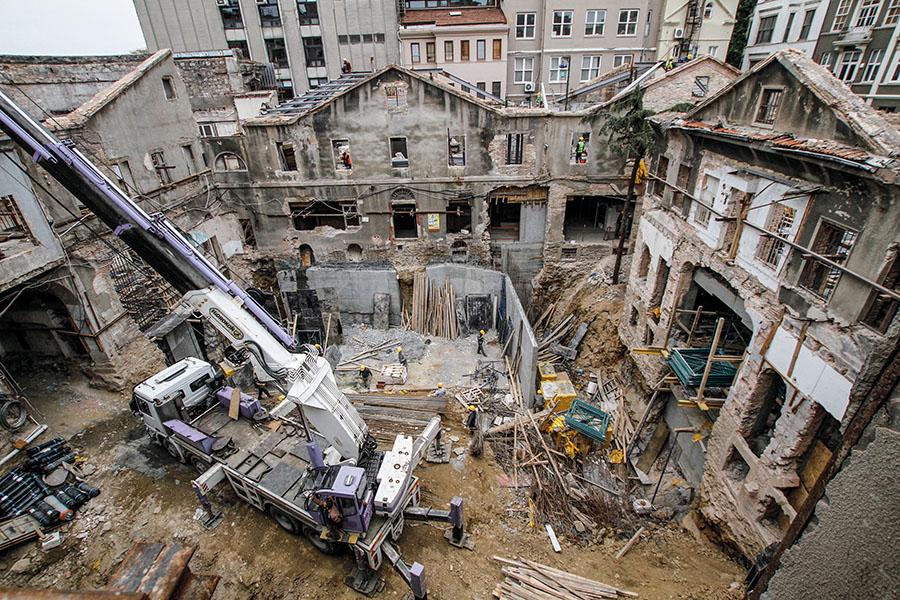
Narmanlı Han Interior Courtyard During Restoration (İBB City Planning)
Following the restoration Narmanlı Han reopened to the public and has been transformed into a vibrant space housing restaurants cafes art galleries and design shops. Today the building functions as an accessible cultural venue on İstiklal Caddesi hosting various social and cultural events.
Anadolu Ajansı. "Beyoğlu'nun 184 yıllık tanığı restore ediliyor." Accessed May 16, 2025.
Hatırlayan Şehir. “10 Narmanlı Han.” Hatırlayan Şehir. Accessed May 16, 2025. https://hatirlayansehir.hakikatadalethafiza.org/narmanli-han/
Istanbul Metropolitan Municipality Urban Planning Directorate. "Narmanlı Han." Accessed May 16, 2025. https://sehirplanlama.ibb.istanbul/narmanli-han/
Narmanlı Han. "Tarihçe." Narmanlı Han Resmi Web Sitesi. Accessed May 16, 2025.
Sinan Genim. “Beyoğlu Narmanlı Han.” Sinan Genim Web Sitesi. Accessed May 16, 2025. https://www.sinangenim.com/tr/eserler/projeler-ve-yapilar/beyoglu-narmanli-han-1390/

History
Construction and Diplomatic Period
The Narmanlı Family Period
Architectural Features
Cultural and Artistic Significance
Restoration and Controversies
Narmanlı Han Today