


This article was automatically translated from the original Turkish version.
+2 More
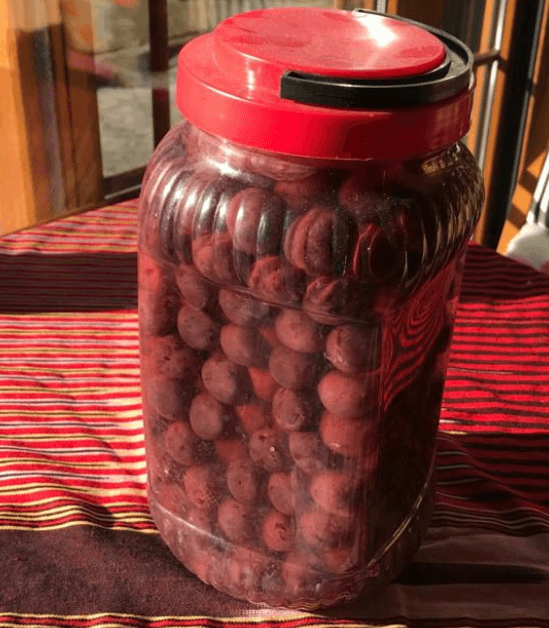
Ordu Taflan Pickle is a traditional pickle prepared using Laurocerasus officinalis, a native fruit of the Black Sea Region known locally as taflan, karayemiş, or Laz cherry, along with water and coarse brine salt. This product contains no additives and is distinguished by its unique sweet-bitter aroma and flavor profile. The selection of fruits, processing methods, and maturation period require considerable skill, and all production stages must be carried out exclusively within the boundaries of Ordu Province.
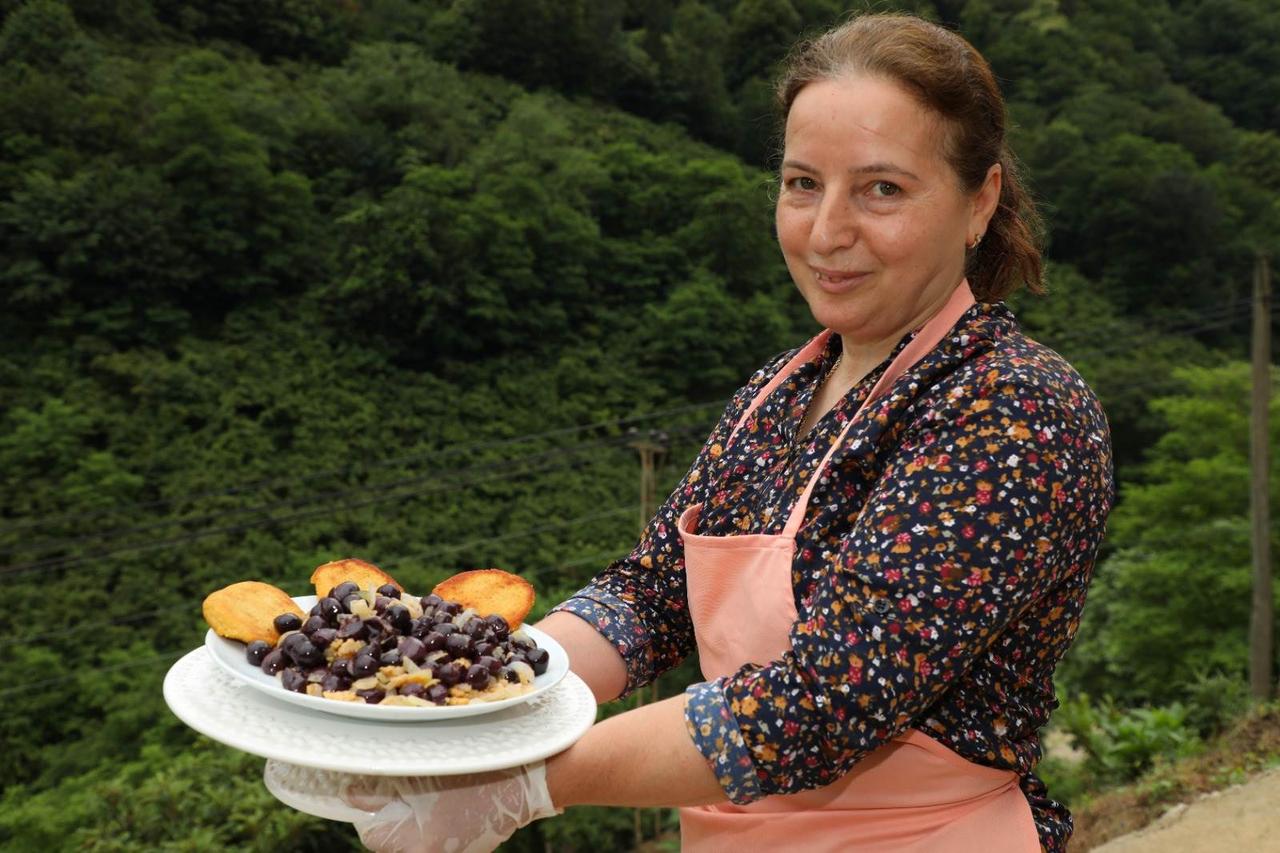
Ordu Taflan Pickle (Ordubigcity Municipality Information Processing Directorate)
Ordu Taflan Pickle is a regional variety of pickle obtained by brining the fruit of Laurocerasus officinalis Roemer (synonym Prunus laurocerasus L.), which grows in the Black Sea Region and is locally called taflan, karayemiş, or Laz cherry. This registered geographical indication product was officially recognized by the Turkish Patent and Trademark Office on 10 May 2022 under registration number 1102 as a geographical indication mark. The application was submitted by the Ordu Metropolitan Municipality on 20 October 2021. Production is geographically restricted to Ordu Province.
Ordu Taflan Pickle is characterized by the unique sweet-bitter taste of the fruit used in its production, which clearly differentiates it from other vegetable and fruit pickles. Only local varieties of taflan fruit are used. The product is known for containing no food additives during preparation and is made from a simple composition consisting solely of taflan fruit, water, and coarse brine salt.
Another distinctive feature of the pickle is the quality of its ingredients and the production method, both of which require local knowledge and craftsmanship. The product’s traditional production based on indigenous knowledge and the mandatory requirement that all processes occur only within Ordu Province are key factors underlying its geographical indication registration.
The following components are primarily used in production:
The production method includes the following steps:
Ordu Taflan Pickle must be stored in cool, dry, odor-free environments protected from direct sunlight. Under appropriate conditions and while the packaging remains unopened, it can be preserved without spoilage for approximately two years. Packaging materials must be food-safe and labeling must comply with Turkish food regulations. The product may also be sold in bulk; in such cases, necessary informational signs must be displayed at the point of sale to consumers.
The term “Ordu Taflan Pickle” and its geographical indication emblem must be clearly displayed on the product or its packaging. If this is not feasible on the product itself, the term and emblem must be displayed in a clearly visible location within the business premises. This requirement is mandatory for consumer information and the proper use of the geographical indication.
The entire production process must take place within the boundaries of Ordu Province. The product’s reputation is exclusively tied to the traditional production methods and regional raw materials of this area. Therefore, similar products produced outside this geographical boundary cannot be labeled as “Ordu Taflan Pickle.”
The production and commercialization of Ordu Taflan Pickle are monitored through inspections coordinated by the Ordu Metropolitan Municipality. The inspection committee consists of at least three members representing the Ordu Metropolitan Municipality and the Ordu Provincial Directorate of Agriculture and Forestry. This committee conducts inspections at least once per year. Additional inspections may be carried out as needed or upon complaint.
Inspection activities are conducted under the framework of Law No. 6769 on Industrial Property and are annually reported by the Ordu Metropolitan Municipality to the Turkish Patent and Trademark Office. During inspections, the correct use of the geographical indication, compliance of product ingredients with the specification, and adherence to the prescribed production methods are verified.
Any non-conformities identified during inspections are reported to the relevant individuals or organizations, and corrective measures are required. The committee may collaborate with public or private institutions, seek expert support from such institutions, or procure services as needed. The registering authority assumes responsibility for initiating legal proceedings in the event of rights violations arising from inspection outcomes.
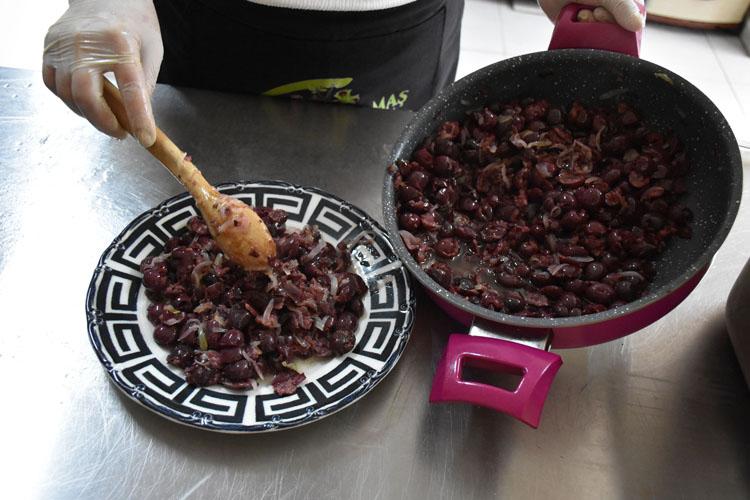
Ordu Taflan Pickle (AA)

Origin
Distinctive Characteristics
Production Process
Packaging and Storage
Usage
Geographical Boundary and Reputation
Monitoring and Supervision Process