+2 More

Location | Ordu / Türkiye | ||||||||
|---|---|---|---|---|---|---|---|---|---|
Type(s) | Ethnographic Historical Artifacts Museum | ||||||||
Feature(s) | Coins Statues Antique figures Traditional handicrafts Daily life objects Ottoman and Hellenistic period artifacts | ||||||||
Highlights | Apollo Figurine, Composite Rhyton, Onyx Female Head Statue,Child Dionysus Statue | ||||||||
Admission Fee | Free | ||||||||
Visiting Hour(s) | Weekdays 09.00 – 17.00 | ||||||||
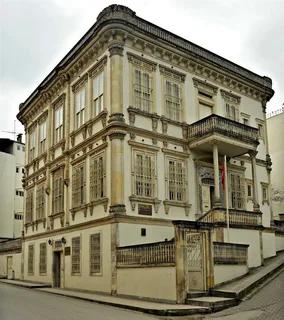
Paşaoğlu Mansion and Ethnography Museum, located in the Altınordu district of Ordu province, holds great significance for both locals and tourists as a reflection of the region’s historical and cultural heritage. This mansion, an important example of 19th-century Ottoman architecture, has served since its construction in 1896 as one of the main elements shaping Ordu’s cultural identity, through both its structure and the ethnographic collections it houses.
Paşaoğlu Mansion is located in Selimiye Mahallesi, Altınordu district, Ordu. Built in 1896, it was commissioned by one of the prominent businessmen of the period, Paşaoğlu Hüseyin Efendi, who was a notable figure in trade during the late Ottoman Empire. The construction of the mansion reflects the socio-economic structure and cultural richness of the era.
The mansion is considered a representative example of 19th-century Ottoman architecture. Its construction combined local stone craftsmanship and architectural traditions with materials imported from Istanbul and Romania, making Paşaoğlu Mansion unique. The stonework, in particular, highlights traditional civilian architectural elements of the period.
Paşaoğlu Mansion was built with stone and wood craftsmanship. The three-story building, including the ground floor, features aesthetic details such as columns with capitals and bases, window frames supported by patterned consoles, and other decorative stonework. The stone materials were sourced from Ünye, the wood from Romania, and the master builder was brought from Istanbul. These elements emphasize the mansion’s visual appeal.
The building’s exterior reflects traditional Ottoman decorative styles, while its interior features wooden paneled ceilings. The upper floor’s sofa ceiling is adorned with oil-on-paper designs, reflecting the aesthetic and artistic sensibilities of the time.
Elements such as the fountain pool and original stone hearth in the mansion’s garden support its historical and cultural texture, offering visitors a visual feast.

A View from Inside the Museum (T.C. Kültür ve Turizm Bakanlığı)
Paşaoğlu Mansion was expropriated by the T.C. Ministry of Culture and Tourism in 1982, and after restoration was completed in 1987, it opened to the public as the “Paşaoğlu Mansion and Ethnography Museum.” This process preserved the mansion while allowing Ordu’s historical and cultural heritage to be exhibited.
The museum exhibits significant cultural artifacts from various periods of the Ottoman Empire. Among these are 49 Ottoman coins, offering important insights into the economic structure of the time. These coins belong to 10 different sultans—including II. Mehmed, III. Ahmed, I. Mahmud, III. Mustafa, III. Selim, II. Mahmud, Abdülmecid, Abdülaziz, II. Abdülhamid, and V. Mehmed Reşad—and are made of copper, silver, and nickel. The coins not only reflect economic history but also the cultural influence of the Ottoman Empire.
Other ethnographic items on display depict daily life, art, and the social structure of the period, providing visitors with detailed information about the Ottoman era. They reflect the aesthetic sensibilities, lifestyle, and folk culture of the time. Paşaoğlu Mansion and Ethnography Museum houses numerous important artifacts reflecting the history and culture of Ordu, including:

Apollo Figurine (Türkiye Kültür Portalı)

Composite Rhyton (Türkiye Kültür Portalı)

Child Dionysus Statue, 1st century BCE, Hellenistic Period (Türkiye Kültür Portalı)

Child Dionysus Statue (Türkiye Kültür Portalı)
Paşaoğlu Mansion and Ethnography Museum is located close to Ordu city center and has become an important destination for cultural tourism in the region. Its historical structure reflects a cultural heritage that impacts not only Ordu but the surrounding area. The museum provides visitors with an experience of the Ottoman period and 19th-century civilian architecture.
The collections of ethnographic items and coins showcase Ordu’s historical development and cultural diversity. Paşaoğlu Mansion and Ethnography Museum serves as an educational center and cultural meeting point for both locals and tourists.
Paşaoğlu Mansion and Ethnography Museum plays a crucial role in preserving and promoting the cultural heritage of Ordu. Both architecturally and culturally rich, the mansion carries the past and its cultural values into the present.
Eroğlu, İbrahim, ve Şerife Tali. “ORDU ETNOGRAFYA MÜZESİ’NDEKİ OSMANLI DÖNEMİ SİKKELERİ”. Karadeniz Araştırmaları 19, sy. 75 (2022): 763-98. Access date: April 19, 2025. https://dergipark.org.tr/tr/pub/karadearas/issue/72318/1173600
T.C. Kültür ve Turizm Bakanlığı. "Paşaoğlu Konağı ve Etnografya Müzesi - Ordu." Türkiye Kültür Portalı. Access date: April 19, 2025. https://www.kulturportali.gov.tr/turkiye/ordu/gezilecekyer/pasaoglu-konagi-etnografya-muzesi?ysclid=m9l2xlouhm441557270.
T.C. Kültür ve Turizm Bakanlığı. "Paşaoğlu Konağı Etnoğrafya Müzesi, Altınordu/Ordu." Ordu İl Kültür ve Turizm Müdürlüğü. Access date: April 19, 2025. https://ordu.ktb.gov.tr/TR-322002/pasaoglu-konagi-etnografya-muzesi-altinorduordu.html

Location | Ordu / Türkiye | ||||||||
|---|---|---|---|---|---|---|---|---|---|
Type(s) | Ethnographic Historical Artifacts Museum | ||||||||
Feature(s) | Coins Statues Antique figures Traditional handicrafts Daily life objects Ottoman and Hellenistic period artifacts | ||||||||
Highlights | Apollo Figurine, Composite Rhyton, Onyx Female Head Statue,Child Dionysus Statue | ||||||||
Admission Fee | Free | ||||||||
Visiting Hour(s) | Weekdays 09.00 – 17.00 | ||||||||
No Discussion Added Yet
Start discussion for "Paşaoğlu Mansion and Ethnography Museum" article
History
Architectural Features
Ethnography Museum: Cultural Richness and Collections
Cultural Tourism and Visitor Experience
This article was created with the support of artificial intelligence.