

This article was automatically translated from the original Turkish version.
+1 More
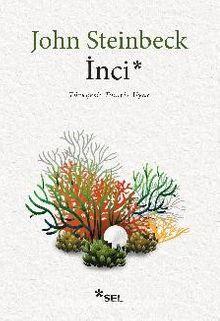
Pearl is one of the novels published in 1947 by American author John Steinbeck. The work explores themes of poverty hope and the conflicts inherent in human nature through a story set along the coasts of Mexico. It examines human greed and the instinct for protection through the lens of social inequality and the individual’s inner struggle.
The novel centers on Kino a poor pearl diver living along the Mexican coast. His simple life with his family is upended when he discovers a large pearl in the sea. Kino believes that with this pearl he can afford to treat his son Coyotito and build a better life. However news of Kino’s discovery spreads throughout the town and the course of events begins to shift. In the novel the narrative evolves from a humble existence into a tense progression culminating in a symbolic and powerful conclusion.
Poverty and Social Injustice: Kino’s desire to sell the pearl exposes the power structures and exploitative systems of society.
Greed and Human Values: The pearl represents not only hope and wealth but also envy violence and destruction.
Nature and Humanity: The pearl emerging from the sea symbolizes both nature’s generosity and human insatiability.
Fate and Hope: Kino’s vision of a better future reveals the human desire to alter one’s destiny and the cost of that ambition.
The novel is written in simple language using third-person limited narration. Detailed descriptions of the natural environment convey the setting in which the events unfold. Social conditions and human behavior are conveyed through the use of symbolism and metaphor. Although the narrative occasionally adopts a folktale-like tone the text consistently engages with deeper social themes.
Steinbeck, John. İnci (The Pearl). Çev. Tomris Uyar. Sel Yayıncılık, 2023.

Plot
Themes
Style
Characters