


This article was automatically translated from the original Turkish version.
+2 More
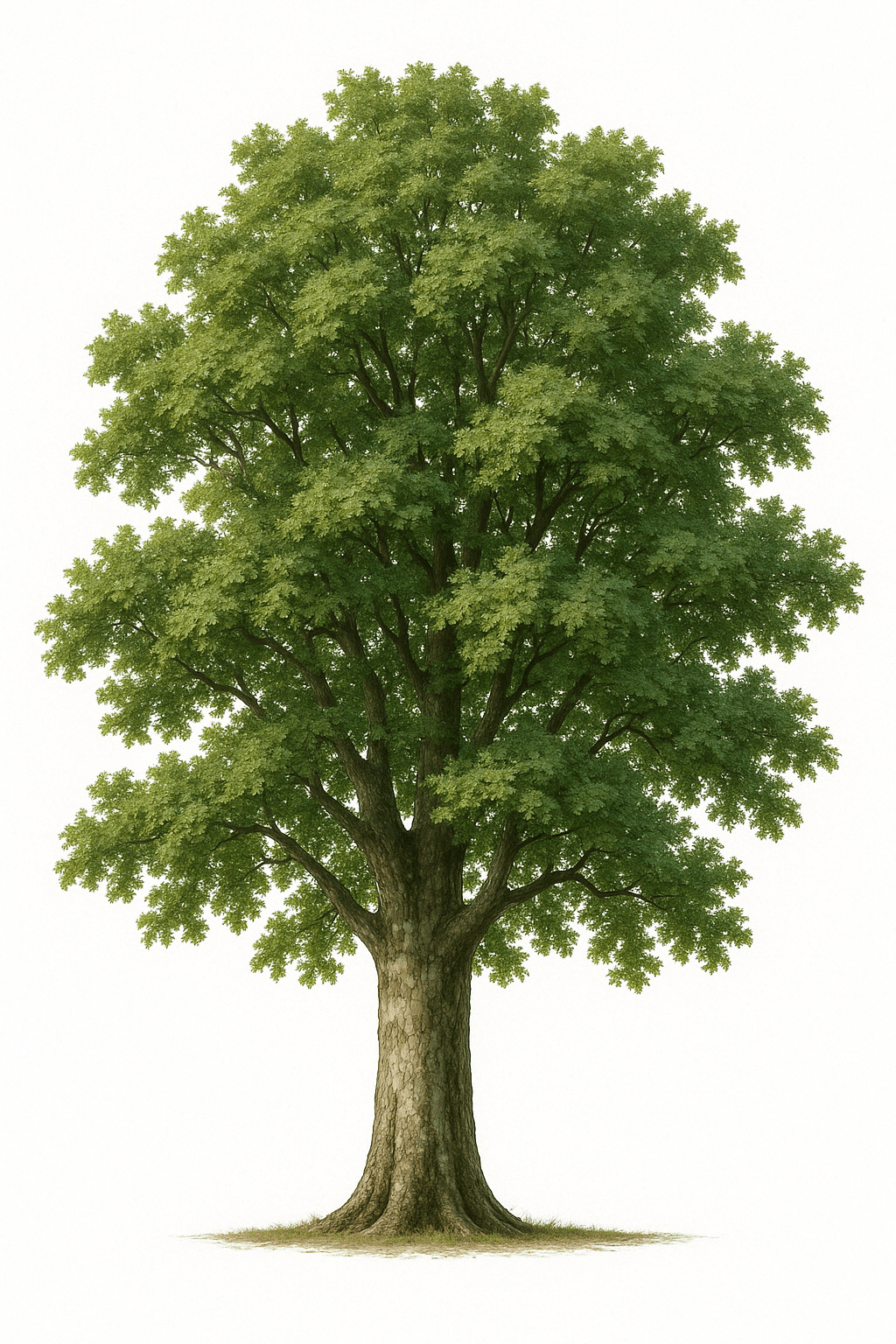
The plane tree (Platanus orientalis L.) is a long-lived deciduous and monumental tree species native to Türkiye. This species is commonly found along riverbanks and in urban landscapes where it holds both ecological and cultural significance. In Türkiye, Platanus orientalis L. is generally known as “çınar”; however, in regional dialects it is also referred to by other names such as biladan, çaymığ, çilbirtir, gavulağan, kavlağan and kavlak. The scientific name Platanus is derived from the Ancient Greek word platos, meaning “flat” or “broad”, while “orientalis” comes from Latin and means “eastern” or “from the east”, reflecting the species’ origin in the eastern regions. The “L.” at the end of the species name denotes Carl Linnaeus (1707–1778), the Swedish naturalist who first described this species. The plane tree belongs to the family Platanaceae and is represented within this family by the genus Platanus.
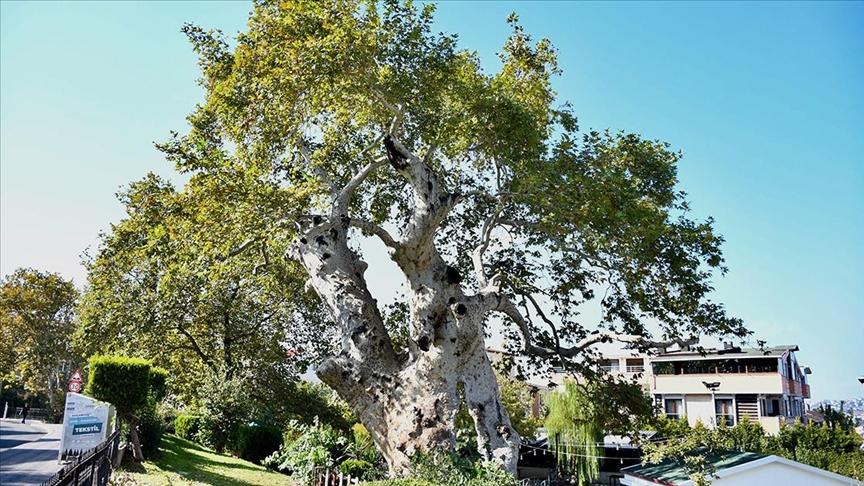
An Old Plane Tree (AA)
Platanus orientalis is a long-lived and monumental tree species naturally distributed across much of Türkiye. It is frequently encountered in inland valleys riverbanks and wetland areas. In addition, it is widely planted in urban landscapes along streets and in parks and gardens as an ornamental and shade tree. It can reach heights of 20 to 30 metres, attain a trunk diameter of 5 to 6 metres and live for over 500 years. When growing freely it develops a broad crown with thick branches and a wide canopy. The bark is light grey or greenish-grey and peels off in plates as the tree ages. The leaves are large and palmately lobed resembling a human hand; the fruits occur in spherical clusters.
In Türkiye only Platanus orientalis occurs naturally. Its native range extends from Southeastern Türkiye through Anatolia to Asia and the Himalayas. It grows naturally in river valleys and moist gorges and has also been widely introduced into urban landscapes by human activity. Additionally exotic species such as Platanus occidentalis (American plane) and Platanus x acerifolia (London plane or hybrid plane) are commonly planted in parks and along roadsides as ornamental trees.
The plane tree held an important place in Ottoman culture and was frequently selected as one of the principal species in garden designs of complexes containing mosques, madrasa and other building structures. As seen in the II. Bayezid Külliyesi in Amasya, monumental plane trees contribute to the cultural identity of the landscape while also providing shade and recreational space. These trees, surviving from the 16th century to the present, are vital living elements that ensure the continuity of cultural landscapes.
Plane tree timber is used in flooring furniture production joinery materials dry wine casks and tool handles. Its durable structure makes it suitable for industrial applications.
Pollen of Platanus orientalis is among the airborne allergens that can reach high concentrations in the atmosphere. Studies conducted across Türkiye have detected this pollen between February and August months with peak concentrations observed in April and May. The pollen grains measure 16–22 micrometer in size and exhibit a triporate structure with a reticulate surface. Particularly during spring months these pollen grains can trigger allergic symptoms in sensitive individuals. Measurements conducted in Bursa in 2013 revealed that plane tree pollen was present in the atmosphere for 62 day and reached up to 200 grains per cubic metre on some days. During periods of high pollen concentration allergic symptoms such as rhinitis conjunctivitis and asthma have been observed.
Primary allergenic proteins in plane tree pollen such as Pla a 1 and Pla a 2 have been shown to interact with environmental pollution. Specifically pollutants such as exhaust fumes have been found to increase the release of these proteins and intensify their allergenic effects.

No Discussion Added Yet
Start discussion for "Plane Tree (Platanus orientalis L.)" article
Morphological Characteristics
Distribution and Habitat
Ecological and Urban Significance
Uses
Allergenic Properties
Interaction with Environmental Factors