


This article was automatically translated from the original Turkish version.
+1 More
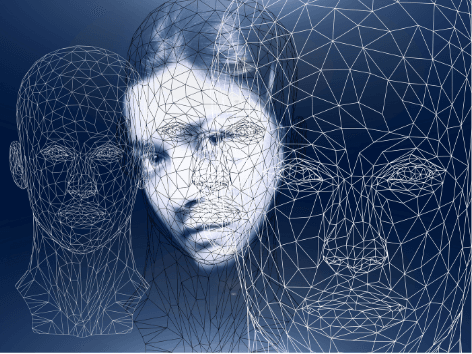
(Generated with Artificial Intelligence)
Psychodynamic Theory
Founder(s) | Sigmund Freud | ||||||||
|---|---|---|---|---|---|---|---|---|---|
Basic Concepts | Transference Defense Mechanisms Unconscious | ||||||||
Primary Focus | Early Childhood Experiences and Internal Conflicts | ||||||||
Personality Structure | Superego Ego Id | ||||||||
Psychodynamic theory is an approach that posits human behavior is shaped by unconscious motivations, instinctual drives and early childhood experiences. This theory argues that psychological conflicts of which the individual is unaware profoundly influence personality development and mental health. Founded on the work of Sigmund Freud, this approach particularly seeks the origins of current problems in repressed memories and emotions during therapeutic processes. The theory emphasizes that the individual’s inner world is the most significant determinant of observable behavior.
The psychodynamic theory draws upon the psychoanalytic theory developed by Sigmund Freud to understand human behavior and mental processes. Freud described the human mind as a structure containing a vast unconscious realm where unconscious drives, repressed memories and unresolved conflicts reside. According to this theory, every action and thought of the individual is a product of these unconscious processes. Unlike behavioral approaches, psychodynamic theory focuses on internal dynamic and conflicting psychological processes rather than external environmental factors. These internal dynamics shape the individual’s personality and behavior throughout life.
One of the theory’s foundational concepts is the structural model of personality, which divides the mind into three main components: id, ego and superego.
The id contains innate primal drives and desires; it operates according to the pleasure principle and seeks immediate gratification.
The ego is the rational part that mediates between the id’s impulses and the demands of the external world; it functions according to the reality principle.
The superego represents the moral and ethical values of society; it is responsible for the formation of moral judgments and conscience.
The constant conflict among these three structures forms the basis of an individual’s behavior and internal tensions. To cope with these conflicts, individuals employ defense mechanisms. Defense mechanisms are unconscious strategies used by the ego to protect itself from anxiety. For example, repression involves pushing painful memories or thoughts out of conscious awareness.
The psychodynamic approach asserts that early experiences in childhood lie at the root of human behavior and psychological disorders. According to Freud, traumas, neglect or unresolved conflicts experienced in childhood are repressed into the unconscious and negatively affect behavior, relationships and mental health in adulthood. This theory interprets psychopathological conditions such as major depression as the result of unresolved internal conflicts and an inability to process grief over lost objects—for instance, the death of a loved one. In this framework, depression can also be viewed as a condition in which anger directed outward toward the external world is turned inward toward the self.
The psychodynamic theory traces the origins of symptoms in individuals with major depression to insecure attachments formed with parental figures during childhood. It proposes that deep sadness, loss of energy and low self-esteem stem from repressed emotional needs and disappointments experienced in childhood. During therapy, the goal is to bring these unconscious conflicts into awareness and resolve them. The psychodynamic theory aims to help individuals understand the true causes behind their behaviors and emotional responses.

Visual symbolizing internal conflict to illustrate the influence of the unconscious on behavior (generated by artificial intelligence)
The psychodynamic theory has provided the foundation for the development of various therapeutic methods. The primary aim of these therapies is to bring unconscious conflicts and emotional states to the surface so that individuals can understand their impact on behavior. In this process, the therapeutic relationship plays a crucial role, as it often reflects the individual’s past relationships (transference) and elicits unconscious reactions from the therapist (countertransference). The therapist uses these dynamics to help the client explore their inner world.
Psychodynamically oriented art therapy emerges as a particularly effective therapeutic method in situations where verbal communication is insufficient. Art therapy allows individuals to express repressed emotions, traumas and unconscious conflicts through artistic creations such as drawings or sculptures. Within the psychodynamic framework, the artwork functions as a medium of reflection and is regarded as a symbolic expression of the individual’s unconscious thoughts and feelings. Art therapy enables the person to bypass defense mechanisms and access the unconscious. It helps individuals explore their inner world, develop emotional awareness and work through unresolved conflicts. In art therapy, the focus is less on the final artwork itself and more on the emotions and thoughts that arise during the creative process.

Visual symbolizing an art therapy session (generated by artificial intelligence)
Karaaziz, Meryem, and Nihal Aydın. "Psikodinamik Kurama Göre Majör Depresyon Bozukluğunda Vaka Sunumu." *Journal Of Pure Social Sciences (Puresoc)-Pak Sosyal Bilimler Dergisi (PAKSOS)* 4.6 (2023): 48-61. Accessed August 20, 2025. https://paksos.com/index.php/puresoc/article/view/112
Okçu, Cüneyt. "Psikodinamik Yönelimli Sanat Terapisi." *Türkiye Bütüncül Psikoterapi Dergisi* 5.10 (2022): 31-41. Accessed August 20, 2025. https://dergipark.org.tr/en/pub/bpd/issue/69431/1111912
Yıldırım, Oğuzhan, and Hatice Kumcağız. "Psikodinamik Yaklaşıma Göre İnsan Davranışının İncelenmesi." *Adıyaman Üniversitesi Sosyal Bilimler Enstitüsü Dergisi* 40 (2022): 103–132. Accessed August 20, 2025. https://dergipark.org.tr/en/pub/adyusbd/article/1052683

(Generated with Artificial Intelligence)
Psychodynamic Theory
Founder(s) | Sigmund Freud | ||||||||
|---|---|---|---|---|---|---|---|---|---|
Basic Concepts | Transference Defense Mechanisms Unconscious | ||||||||
Primary Focus | Early Childhood Experiences and Internal Conflicts | ||||||||
Personality Structure | Superego Ego Id | ||||||||
No Discussion Added Yet
Start discussion for "Psychodynamic Theory" article
Foundations and Core Concepts of the Psychodynamic Theory
A Psychodynamic Perspective on Human Behavior and Psychopathology
Psychodynamically Oriented Therapies and Art Therapy