


This article was automatically translated from the original Turkish version.
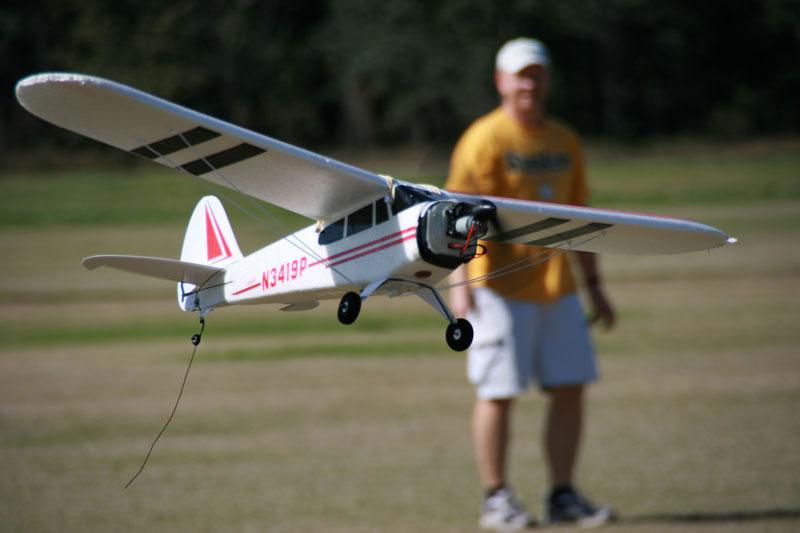
RC Model Aircraft
Aircraft Type(s) | Education (Trainer) Warbird Jet Glider Aerobatics | ||||||||
|---|---|---|---|---|---|---|---|---|---|
Control Frequency | Typically 2.4 GHz | ||||||||
The Future | FPV systems, Autonomous flight, AI-assisted stabilization systems, Increasing role as UAV R&D platform | ||||||||
RC (Radio Controlled) model aircraft provide an educational and entertaining hobby field for individuals interested in aviation. These small scale aircraft, controlled via remote control, have become more accessible, reliable and functional current state with advances in technology.
The origins of RC model aircraft date back to the early 20th century, during the formative years of aviation. The first radio-controlled flights became possible in the 1930s with the development of radio technology, and by the 1950s and 1960s they began to gain popularity as a hobby. Today, thanks to advances in technology and the use of lightweight materials, RC aircraft have become more precise and accessible.
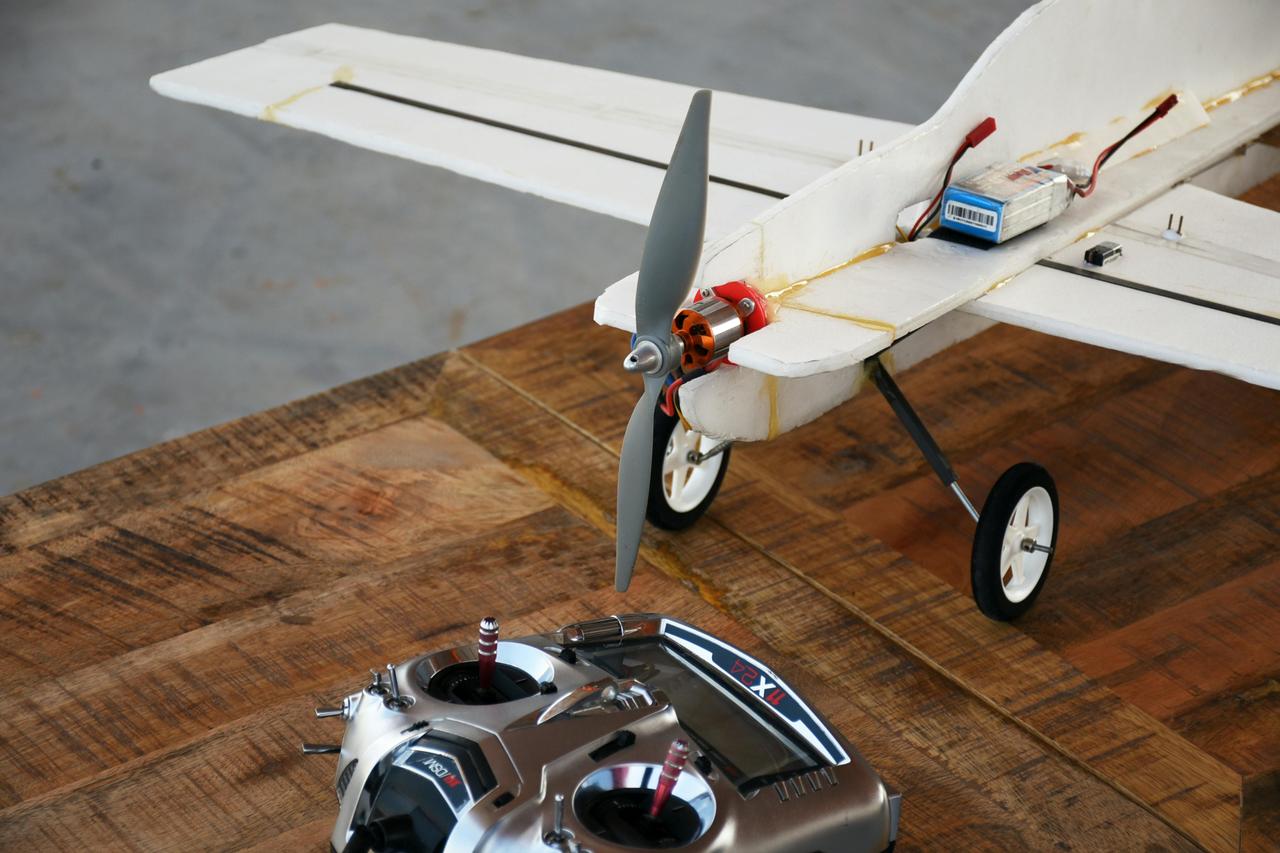
RC (Radio Controlled) model aircraft operate by communicating via radio frequencies between a transmitter (controller) and a receiver (airplane module inside the aircraft). Commands sent from the transmitter are relayed by the receiver to the motor, servos, rudder and control surfaces, enabling control of direction, altitude and speed stability. Modern systems typically use the 2.4 GHz frequency band, reducing interference risks and ensuring safer control.
RC model aircraft consist of fundamental components including body (airframe), motor, servo motors, ESC (electronic speed controller), receiver, transmitter, battery and propellers such as. Servo motors control the aircraft’s direction while the ESC regulates motor speed. Lithium polymer (Li-Po) batteries are commonly preferred in RC aircraft due to their lightweight and high energy density.

RC model aircraft are categorized into various types based on their intended use and structural features. Trainer aircraft are designed for beginners and are easy to control, while aerobatic, war warbird, jet and glider glider models are intended for more advanced users. Additionally, models vary in size and motor options depending on whether they are designed for indoor or outdoor space use.
RC model aircraft offer both educational and recreational value, particularly for aviation enthusiasts. They are also used in educational institutions to teach flight principles, to understand hand-eye coordination and technical piloting skills. As a hobby, RC aircraft are active in numerous events ranging from competitions to air shows, creating a social community of enthusiasts.
RC aircraft technology continues to evolve with AI-supported autonomous flight systems, FPV (First Person View) cameras and advanced sensors. Educational simulators, autonomous control systems and lightweight composite materials are expanding both hobbyist and professional applications. Moreover, RC aircraft remain a fundamental building building block in the development of unmanned aerial vehicle (UAV) technology.
RC model aircraft have provided a foundational important platform for the development of UAV technologies. Testing of airframes, propulsion systems and remote control technologies was first conducted on model aircraft, and this information accumulated knowledge was transferred to UAVs. Today Many engineering students and defense industry R&D teams begin their prototype projects using model aircraft platforms.
In Türkiye, the hobby of RC (Radio Controlled) model aircraft is gaining increasing interest through educational institutions, clubs and competitions. The Civil Aviation Authority’s Model Aircraft School has certified over 600,000 people since 1935 course. Additionally, clubs such as Hezarfen RC Club provide enthusiasts with opportunities to practice and share experiences. RC fixed wing aircraft competitions held at events such as Teknofest and MEB Robot Competition are raising awareness in this field.
Baykar. "Genç Geliştiricilere Yönelik Prototip Destekleri." Accessed April 8, 2025.
TUSAŞ. "İHA Geliştirme Süreci ve Eğitim Faaliyetleri." Accessed April 8, 2025.
“Different Types of RC Plane.” Modelflight, Accessed April 8, 2025.
“History of RC Flying.” Model Airplane News, Accessed April 8, 2025. https://www.modelairplanenews.com/history-of-rc-flying
“How Does RC Work?”. FliteTest, Accessed April 8, 2025.
“Learn to Fly.” Academy of Model Aeronautics, Accessed April 8, 2025.
“RC Plane Components.” RC Airplane World, Accessed April 8, 2025.
“Robotik Yarışmalar”. Teknofest, Accessed April 8, 2025.
“The Future of RC and Autonomous Flying.” DroneDJ, Accessed April 8, 2025.

RC Model Aircraft
Aircraft Type(s) | Education (Trainer) Warbird Jet Glider Aerobatics | ||||||||
|---|---|---|---|---|---|---|---|---|---|
Control Frequency | Typically 2.4 GHz | ||||||||
The Future | FPV systems, Autonomous flight, AI-assisted stabilization systems, Increasing role as UAV R&D platform | ||||||||
No Discussion Added Yet
Start discussion for "RC (Radio Controlled) Model Aircraft" article
History
Working Principle
Components Used
Types of RC Aircraft
Educational and Hobby Use
The Future of RC Aircraft
The Role of Model Aircraft in UAV Production
RC Aircraft in Türkiye