


This article was automatically translated from the original Turkish version.
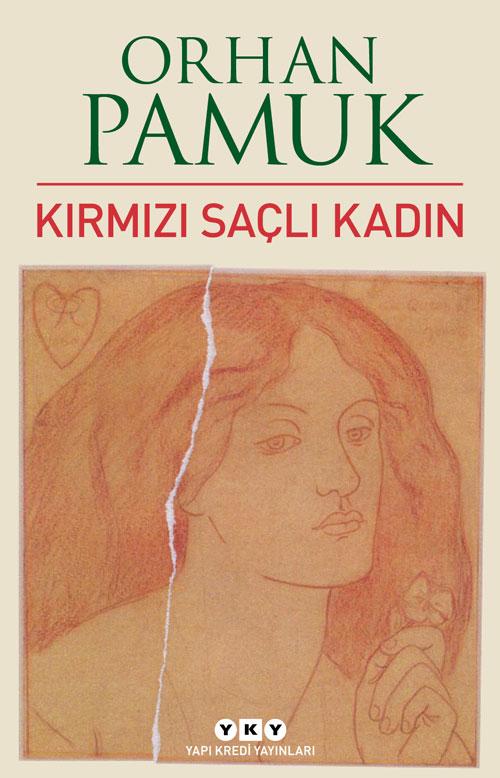
"The Woman with Red Hair" is one of Orhan Pamuk's final period works and holds a significant important place in his literary universe. Cotton delves deeply into the human inner journey, the search for identity, father-son relationships, and questions of cultural identity in this novel. By blending modern and traditional elements, he explores universal themes.
"The Woman with Red Hair" centers on two main characters: Cem and the Woman with Red Hair. Cem is a young man who grows up in a small small town and lives at a distance from his father. Cem’s father views him as a legacy inherited from his own father and frequently withdraws from him emotionally. Cem’s life changes when he meets a woman with red hair during a day. This woman becomes a pivotal dönüm point in Cem’s psychological development and life. His fascination with her transforms him both physically and emotionally.
Meanwhile, Pamuk also structures his narrative around the theme of the father-son relationship throughout novel. This transformation in Cem’s life confronts him with reality on one hand and the hidden darkness of the past on the other.
1. Father-Son Relationship: Pamuk treats the father-son relationship in "The Woman with Red Hair" with great complexity. Cem strives to follow in his father’s footsteps, but his father’s persistent neglect leaves deep marks on Cem’s inner world. The emptiness and lack of affection in this relationship intensify Cem’s internal conflicts.
2. Identity Search and Social Bonds: Cem’s life is shaped not only by his personal quest for identity but also by the identities imposed upon him by society. Growing up in a traditional small town, Cem is pulled into conflict between societal norms and his own inner sense of self.
3. Myth and Reality: Throughout the novel, Orhan Pamuk blurs the boundary between real and myth. The Woman with Red Hair is both a real figure and a symbolic archetype within Cem’s inner world. The novel reveals the difficulty of grasping reality and the complexity of identity formation.
4. Modernity and Tradition: Pamuk also examines the tension between traditional values and modern life. A conflict exists between modern influences in Cem’s life and the traditional structures of the town. This struggle symbolizes the effort of a character attempting to reconcile personal transformation with societal values.
Orhan Pamuk employs typical literary techniques in "The Woman with Red Hair," including interior monologues, narrative perspectives, and symbolism. The novel’s structure is highly layered, and following Pamuk’s classical narrative style, the reader explores the characters’ spiritual journeys. The book interweaves history and individual stories, as in Pamuk’s earlier works, by depicting events unfolding across different time strata and their interconnections, like.
Pamuk, Orhan. Kırmızı Saçlı Kadın. İstanbul: Yapı Kredi Yayınları, 2016.

No Discussion Added Yet
Start discussion for "Red-Haired Woman (Book)" article
Plot Summary
Themes