


This article was automatically translated from the original Turkish version.
+1 More
Family(ies) | Brassicaceae (Mustard family) | ||||||||
|---|---|---|---|---|---|---|---|---|---|
Specie(s) | C. bursa-pastoris | ||||||||
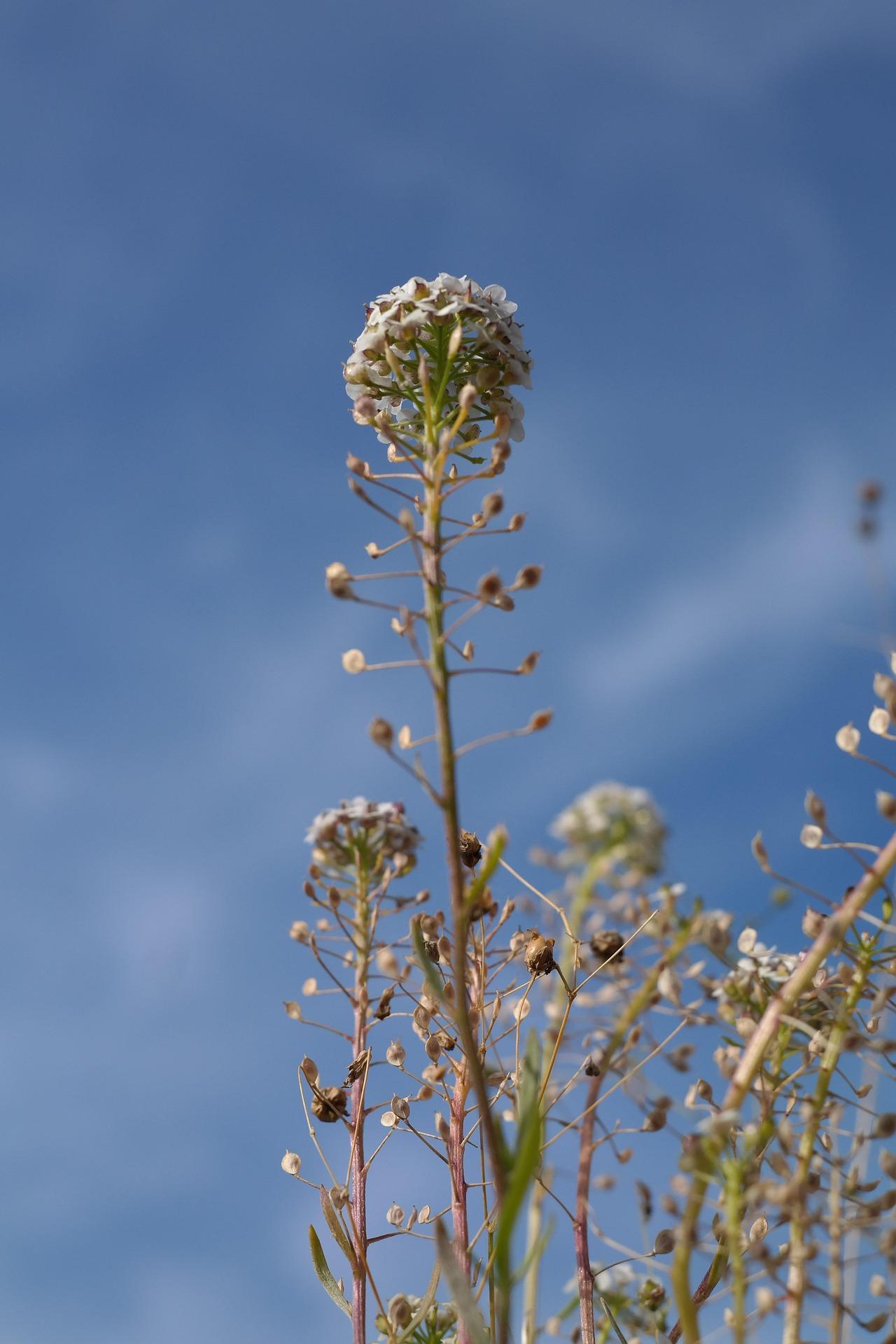
Morphology | leaves arranged in a rosette. annual or biennial plant. Plant height typically 10–50 cm Small white flowers and characteristic triangular seed pods | ||||||||
Pharmacological Effects | traditionally used as a hemostatic and diuretic. antimicrobial and antioxidant activities have been reported Anti-inflammatory | ||||||||
Genus | Capsella | ||||||||
Shepherd’s Purse is an allopolyploid species, and genomic analyses have shown that it originated from the merger of two distinct diploid ancestors. Studies indicate that the maternal ancestor was Capsella orientalis, while the paternal ancestor was either a species from the Capsella rubella/grandiflora lineage or a closely related now-extinct species. These two ancestral species are estimated to have diverged approximately one million years ago.
The Shepherd’s Purse genome consists of 16 chromosomes, divided into two subgenomes designated as O and R. Chromosome-level assembly studies have demonstrated that there is no significant genomic dominance between the subgenomes; both carry a similar number of genes and are equally expressed. Furthermore, the presence of homeologous exchanges shared across all populations supports the hypothesis that the species has a single common origin.

Shepherd’s Purse Plant - Morphological Features (Generated by Artificial Intelligence)
The plant has an upright stem ranging from 3 cm to 100 cm in height. Basal leaves form a rosette and exhibit considerable variation in shape, from entire margins to deeply lobed structures. Stem leaves are alternate and clasp the stem with auricles. Flowers occur in long terminal racemes and are white with four petals. The most distinctive morphological feature of the species is its fruit, which is 5–9 mm long and shaped like an inverted triangle or heart. The root system typically consists of a single taproot extending up to 30 cm deep and a few secondary roots. Seeds are small, rectangular, flattened, and dark reddish-brown; up to 39 seeds may be found in a single fruit capsule.【1】
The plant derives its common name from the resemblance of its distinctive fruits to the leather pouches carried by shepherds in the Middle Ages. The morphology of the plant exhibits dramatic variation in response to environmental stress factors such as drought, grazing, and soil structure, demonstrating high phenotypic plasticity.
Rosette and Stem Architecture: The plant initially forms a compact basal rosette close to the soil surface. These rosette leaves are strategically arranged to maximize light capture and retain soil moisture. As the stem elongates, the cauline leaves adopt an amplexicaul “ear” or “auricle” shape that wraps around the stem. This morphological transition signals the shift from the vegetative to the reproductive phase.
Inflorescence (Flower Clusters): Flowering occurs in a racemose structure. The lower flowers mature into fruits while new flowers continue to open at the apex (indeterminate growth). This strategy ensures pollination success by spreading it over time.
Fruit and Seed Dynamics: The fruits are botanically classified as siliculae. These two-chambered fruits open into two valves upon maturation, leaving behind a septum. Seeds develop a sticky mucilage layer when wetted, enabling attachment to soil and dispersal by animals (ectozoochory).
Shepherd’s Purse is an r-strategist species that follows the principle of “grow fast, produce many seeds.”
Although native to Western Asia and Europe, Shepherd’s Purse is now a cosmopolitan species found on every continent, from the Arctic to African deserts. It grows at elevations from sea level up to 5,900 meters. The plant particularly favors nutrient-rich soils such as cultivated fields, gardens, roadsides, and disturbed habitats. Optimal growth occurs in loamy or sandy-loam soils with a pH between 5.0 and 8.0. It is resistant to drought and low temperatures; as a winter annual, it can survive temperatures as low as -12 °C. Its seeds retain viability in the soil for extended periods.【2】.

Shepherd’s Purse (Pixabay)
Shepherd’s Purse is among the most successful “generalist” plant species in terms of biological invasion potential and ecological tolerance. This success is fundamentally rooted in the plant’s high genetic plasticity and polyploid (tetraploid) genomic structure.
Although originating from the Mediterranean basin and Western Asia, it has spread to all continents through anthropogenic activities.
Extreme Altitude and Latitude: It is one of the rare herbaceous species capable of climbing from sea level to 5,900 meters in the Himalayas. It colonizes virtually all biomes across the Northern Hemisphere, from tundra to high-elevation equatorial plateaus.
Ruderal Strategy: It is a pioneer species in disturbed habitats such as roadsides, construction sites, and abandoned fields. It rapidly dominates “ruderal” environments characterized by low competition but high physical stress.
Soil Selectivity: Although it can survive across a broad pH range (5.0–8.0), it prefers nitrate-rich (eutrophic) soils. This makes it a characteristic indicator species for agricultural lands.
The plant’s survival strategy relies on physiological mechanisms developed to withstand climatic extremes:
Cold Acclimation: As a winter annual, its rosette leaves maintain metabolic activity even under snow cover. It synthesizes specialized proteins that preserve cell membrane integrity at freezing temperatures as low as -12 °C.
Drought Tolerance: Under water stress, it accelerates its flowering cycle, adopting a “escape strategy.” Its taproot structure enables it to exploit micro-moisture layers in the soil.
The key to Shepherd’s Purse’s ecological success is its “invisible army” of seeds stored in the soil:
Longevity: Seeds can remain viable in the soil for up to 30 years. This ensures the species can re-emerge even after complete surface population extinction, provided conditions become favorable.
Light Sensitivity (Photoblastism): Seeds require only microseconds of daylight (from soil disturbance such as plowing or digging) to germinate. This acts as a safety mechanism ensuring germination occurs only near the soil surface, where survival is likely.
Recent research indicates that the plant is not merely a passive user of nutrients but may act as an active predator at the seed level:
Seed Mucilage and Necrotrophy: Upon hydration, the mucilage layer surrounding the seeds attracts nematodes and microorganisms in the soil. These organisms adhere to the mucilage and die; the germinating seed is observed to absorb the nitrogen and phosphorus released by their decomposition. This represents a protocarnivorous adaptation explaining the plant’s exceptional success in nutrient-poor soils.
Shepherd’s Purse is a species of significant interest in both traditional medicine and modern pharmacology due to its complex chemical cocktail. While its phytochemical richness varies with climatic conditions and harvest time, its core bioactive scaffold is highly characteristic.

Shepherd’s Purse (Pexels)
The above-ground parts of the plant contain numerous pharmacologically active compounds. Flavonoids, polypeptides, choline, acetylcholine, histamine, and tyramine are among the primary constituents. Kaempferol-3-O-rutinoside is the most dominant phenolic compound. Analysis of its organic acid profile reveals the presence of shikimic acid, as well as malic, citric, fumaric, oxalic, and quinic acids. The plant is also rich in vitamins A, C, and B-complex, essential amino acids, minerals, and fatty acids.
The plant’s antioxidant and anti-inflammatory properties are primarily attributed to its broad spectrum of flavonoids.
Dominant Compounds: In addition to the most abundant kaempferol-3-O-rutinoside, other isolated flavonoids include quercetin, diosmetin, luteolin, and rutin derivatives.
Function: These compounds neutralize free radicals at the cellular level, reducing oxidative stress and strengthening capillary walls to provide vascular protection.
The most pharmacologically “aggressive” components of Shepherd’s Purse are amines that affect the autonomic nervous system:
Acetylcholine and Choline: They stimulate the parasympathetic nervous system, inducing contraction of smooth muscles.
Histamine and Tyramine: These amines are responsible for the plant’s hemostatic effect. Due to their stimulatory action on uterine muscles, they have historically been used in gynecological bleeding.

Shepherd’s Purse (Pexels)
The plant acts as a reservoir for organic acids critical to metabolic processes:
Shikimic Acid Pathway: The high concentration of shikimic acid in the plant makes it a strategic precursor in the synthesis of antiviral drugs such as oseltamivir.
Acid Diversity: Quinic, malic, citric, fumaric, and oxalic acids optimize the plant’s pH balance and bioavailability.
Multivitamin Complex: Particularly high levels of vitamin C and vitamin K support the plant’s role in coagulation mechanisms.
As a member of the Brassicaceae family, it is rich in sulfur-containing glucosinolates:
Sinigrin: This compound imparts the plant’s characteristic mild bitter taste and, upon hydrolysis, yields isothiocyanates with antimicrobial and potential anticancer properties.
Shepherd’s Purse is a medicinal plant whose empirical success in traditional medicine has been validated by modern clinical research. Its pharmacological activity stems from the synergistic effects of its biogenic amines and phenolic compounds.
Traditionally used for centuries as a hemostatic, diuretic, and anti-inflammatory agent, these effects have been supported by modern pharmacological studies. Extracts of C. bursa-pastoris have been shown to stimulate contraction of smooth muscles such as the uterus and intestines, similar to oxytocin, suggesting potential use in treating menorrhagia. Fumaric acid isolated from the plant has demonstrated antitumor activity against Ehrlich solid tumors. Additionally, antimicrobial, antioxidant, cardioprotective, sedative, and hepatoprotective effects have been reported. Although its toxicity is low, its potential to trigger uterine contractions during pregnancy warrants caution.【3】
The most well-known and extensively studied property of the plant is its ability to stop bleeding. This effect is one of its most pharmacologically significant features and has been thoroughly investigated in both traditional and modern research.
Gynecological Applications: Due to its amines (tyramine, choline, acetylcholine) and saponins, it exhibits oxytocin-like activity, stimulating uterine smooth muscle contractions. This explains its traditional use in controlling excessive menstrual bleeding (menorrhagia) and postpartum hemorrhage.
Vascular Effect: It enhances capillary resistance, accelerating hemostasis in internal and external bleeding such as nosebleeds, hemorrhoids, and superficial wounds.
Recent oncological research has focused on the plant’s inhibitory effects on cancer cells.
Fumaric Acid Effect: Fumaric acid isolated from the plant has demonstrated direct inhibitory effects on Ehrlich solid tumors.
Apoptosis Induction: Extracts have been observed to trigger programmed cell death (apoptosis) and suppress proliferation in various cancer cell lines, particularly leukemia and breast cancer cells.
Another key feature enhancing the plant’s therapeutic value is its biological activity against microorganisms and inflammatory processes.
Broad-Spectrum Activity: Plant extracts exhibit antibacterial activity against both Gram-positive and Gram-negative bacteria. Inhibitory effects against Staphylococcus aureus and Escherichia coli have been reported.
Inflammation Control: Its flavonoid content reduces tissue edema and inflammation by suppressing the production of pro-inflammatory cytokines.
The pharmacological profile of the plant extends beyond local effects to include regulatory actions on systemic organ functions.
Cardiotonic Effect: The plant has a regulatory effect on the cardiovascular system and may exhibit mild hypotensive and bradycardic properties.
Liver Protection: It stimulates antioxidant enzyme systems (SOD, CAT), protecting liver cells from chemical damage and oxidative degradation (hepatoprotective).
Shepherd’s Purse (Capsella bursa-pastoris), commonly found in Türkiye’s flora, is a resilient species that readily grows in anthropogenic environments such as roadsides, field margins, gardens, and fallow lands. Its widespread natural distribution across nearly all regions of the country, particularly in the Marmara, Aegean, Central Anatolia, and Black Sea areas, has facilitated its recognition and use in folk medicine. Known by various local names throughout Anatolia, the plant is passed down through generations in rural communities as part of traditional healing practices.
In traditional use in Türkiye, Shepherd’s Purse is best known for its hemostatic properties. Locally, its fresh juice, tea, or poultice is preferred for treating nosebleeds, minor cuts, hemorrhoids, and gynecological bleeding. Particularly in women’s health, its use for menstrual irregularities and excessive bleeding is frequently documented in Anatolian ethnobotanical records. This reflects that the physiological effects of its bioactive compounds were recognized by folk observation long before scientific validation.
Scientific research conducted at Turkish universities has focused on analyzing the plant’s phytochemical content and pharmacological potential. Analyses have confirmed its richness in flavonoids, phenolic acids, alkaloids, and various organic acids, with experimental models demonstrating antioxidant, antimicrobial, and anti-inflammatory effects. However, most Turkish studies remain at the in vitro or animal experimentation level, with limited clinical trials in humans. Therefore, broader and more comprehensive clinical research is needed before the plant can be accepted as a standardized therapeutic agent in modern medicine.
In terms of regulation and usage, Shepherd’s Purse is classified among medicinal plants in Türkiye but does not have widespread use in official pharmaceutical formulations. It is primarily found in traditional herbal products and complementary remedies. Nevertheless, increasing academic interest in phytotherapy in recent years has spurred research aimed at standardizing the plant, establishing safe dosages, and clarifying its mechanisms of action. This trend indicates its potential to assume a more prominent role in evidence-based herbal medicine in the future.
Warning: The content in this article is provided solely for general encyclopedic informational purposes. The information herein should not be used for diagnosis, treatment, or medical advice. Always consult a qualified healthcare professional before making any health-related decisions. The author and KÜRE Encyclopedia assume no responsibility for any consequences arising from the use of this information for diagnostic or therapeutic purposes.
Aksoy, A., J. M. Dixon, and W. H. G. Hale. “Capsella Bursa-Pastoris (L.) Medikus (Thlaspi Bursa-Pastoris L., Bursa Bursa-Pastoris (L.) Shull, Bursa Pastoris (L.) Weber).” Journal of Ecology 86, no. 1 (1998): 171–186. Accessed February 10, 2026. http://www.jstor.org/stable/2648624
Al-Snafi, Ali Esmail. “The Chemical Constituents and Pharmacological Effects of Capsella Bursa-Pastoris: A Review.” International Journal of Pharmacology & Toxicology 5, no. 2 (2015): 76–81. Accessed February 10, 2026. https://www.researchgate.net/profile/Ali-Al-Snafi/publication/297715622_The_chemical_constituents_and_pharmacological_effects_of_Capsella_bursa-pastoris_-_A_review/links/58a2e4aea6fdccf5e97638fa/The-chemical-constituents-and-pharmacological-effects-of-Capsella-bursa-pastoris-A-review.pdf
Grosso, Clara, Juliana Vinholes, Luís R. Silva, Paula Guedes de Pinho, Rui F. Gonçalves, Patrícia Valentão, Anna K. Jäger, and Paula B. Andrade. “Chemical Composition and Biological Screening of Capsella Bursa-Pastoris.” Revista Brasileira de Farmacognosia / Brazilian Journal of Pharmacognosy 21, no. 4 (2011): 635–644. Accessed February 10, 2026. https://www.researchgate.net/profile/Luis-Silva-23/publication/233864660_Chemical_composition_and_biological_screening_of_Capsella_bursa-pastoris/links/563d13e108ae8d65c0117d7b/Chemical-composition-and-biological-screening-of-Capsella-bursa-pastoris.pdf
Hans. Photograph, Pixabay. Accessed February 10, 2026. https://pixabay.com/tr/photos/shepherds-%C3%A7anta-ot-bitki-sap-228362/
Hus, Henri. “The Origin of × Capsella Bursa-Pastoris Arachnoidea.” The American Naturalist 48, no. 568 (1914): 193–235. Accessed February 10, 2026. http://www.jstor.org/stable/2455987
Nguyen Hung. Photograph, Small blooming flowers of Capsella bursa-pastoris plant in green field. Accessed February 10, 2026. https://www.pexels.com/photo/small-blooming-flowers-of-capsella-bursa-pastoris-plant-in-green-field-4056566/
Penin, Aleksey A., Artem S. Kasianov, Anna V. Klepikova, Denis O. Omelchenko, Maksim S. Makarenko, and Maria D. Logacheva. “Origin and Diversity of Capsella Bursa-Pastoris from the Genomic Point of View.” BMC Biology 22 (2024): 1–15. Accessed February 10, 2026. https://www.proquest.com/scholarly-journals/origin-diversity-i-capsella-bursa-pastoris/docview/2956836514/se-2
Petr Ganaj. Photograph, Nature, Factory, Facility, Plant. Accessed February 10, 2026. https://www.pexels.com/tr-tr/fotograf/doga-fabrika-tesis-bitki-20826382/
Svensson, Stefan. “Chromosome Numbers and Morphology in the Capsella Bursa-Pastoris Complex (Brassicaceae) in Greece.” Willdenowia 13, no. 2 (1984): 267–76. Accessed February 10, 2026. http://www.jstor.org/stable/3995841
[1]
Aksoy, A., J. M. Dixon, ve W. H. G. Hale. “Capsella Bursa-Pastoris (L.) Medikus (Thlaspi Bursa-Pastoris L., Bursa Bursa-Pastoris (L.) Shull, Bursa Pastoris (L.) Weber).” Journal of Ecology 86, no. 1 (1998): 171–86. Erişim: 10 Şubat 2026. http://www.jstor.org/stable/2648624
[2]
Al-Snafi, Ali Esmail. “The Chemical Constituents and Pharmacological Effects of Capsella bursa-pastoris: A Review.” International Journal of Pharmacology & Toxicology 5, no. 2 (2015): 76–81. Erişim: 10 Şubat 2026. https://www.researchgate.net/profile/Ali-Al-Snafi/publication/297715622_The_chemical_constituents_and_pharmacological_effects_of_Capsella_bursa-pastoris_-_A_review/links/58a2e4aea6fdccf5e97638fa/The-chemical-constituents-and-pharmacological-effects-of-Capsella-bursa-pastoris-A-review.pdf
[3]
Al-Snafi, Ali Esmail. “The Chemical Constituents and Pharmacological Effects of Capsella bursa-pastoris: A Review.” International Journal of Pharmacology & Toxicology 5, no. 2 (2015): 76–81. Erişim: 10 Şubat 2026. https://www.researchgate.net/profile/Ali-Al-Snafi/publication/297715622_The_chemical_constituents_and_pharmacological_effects_of_Capsella_bursa-pastoris_-_A_review/links/58a2e4aea6fdccf5e97638fa/The-chemical-constituents-and-pharmacological-effects-of-Capsella-bursa-pastoris-A-review.pdf


Family(ies) | Brassicaceae (Mustard family) | ||||||||
|---|---|---|---|---|---|---|---|---|---|
Specie(s) | C. bursa-pastoris | ||||||||
Morphology | leaves arranged in a rosette. annual or biennial plant. Plant height typically 10–50 cm Small white flowers and characteristic triangular seed pods | ||||||||
Pharmacological Effects | traditionally used as a hemostatic and diuretic. antimicrobial and antioxidant activities have been reported Anti-inflammatory | ||||||||
Genus | Capsella | ||||||||
No Discussion Added Yet
Start discussion for "Shepherd's Purse (Capsella bursa-pastoris)" article
Genetic Origin and Genomic Structure
Morphological Characteristics and Taxonomic Distinctions
Life Cycle and Reproductive Strategies
Ecological Distribution and Adaptive Capacity
Global Distribution and Habitat Preference
Abiotic Stress Resistance
Seed Bank and Dynamic Dormancy
Protocarnivorous Trait and Soil Nutrient Acquisition
Phytochemical Composition
Phenolic Compounds and Flavonoids
Biogenic Amines and Alkaloids
Organic Acid and Vitamin Profile
Glucosinolates: Brassicaceae Characteristic
Pharmacological Effects and Medical Uses
Hemostatic Effect
Antitumor and Cytotoxic Activity
Antimicrobial and Anti-inflammatory Capacity
Cardiovascular and Hepatoprotective Effects
Status of Shepherd’s Purse in Türkiye