This article was automatically translated from the original Turkish version.
+1 More
Type of Geographical İndication | Mahreç Sign | ||||||||
|---|---|---|---|---|---|---|---|---|---|
Application Date | 23.12.2019 | ||||||||
Registration Number | 554 | ||||||||
Registration Date | 05.10.2020 | ||||||||
Product / Product Group(s) | Handicraft products other than carpets kilims and textiles | ||||||||
Province(s) | Eskişehir | ||||||||
Applicant/Registrant(s) | Eskişehir Chamber of Commerce | ||||||||
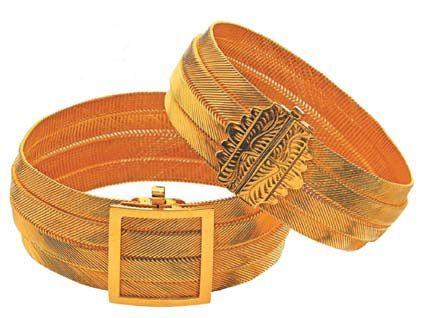
Sivrihisar Cebesi is a traditional handcrafted jewelry type produced in the Sivrihisar district of Eskişehir. This registered product, distinguished by its geographical indication, is crafted into delicate and wide-shaped bracelets or necklaces by weaving 22-karat gold or 925 sterling silver wires in a carpet-like technique. Its production relies entirely on manual craftsmanship and employs original methods that reflect the cultural heritage of the region.

Sivrihisar Cebesi (Anadolu Agency)
Cebes produced in Sivrihisar since the 1600s have gained their reputation exclusively through production processes confined within the geographic boundaries of the Sivrihisar district. To preserve the product’s traditional structure, all stages of production, processing, and finishing must be carried out within these defined limits.
Sivrihisar Cebesi is characterized by a “fishback” appearance when viewed from above and parallel straight lines when viewed from below. Compared to Trabzon cebes, it uses thicker micron wires, making it more durable and advantageous in use. Standard, uniform, and tight weaving techniques are applied in wirework; the quality of the weave directly affects the value of the product.
Production consists of five main stages:
The production process takes an average of one week. Due to the physical strength required, this craft is predominantly carried out by male artisans. The intricate wirework details in the key sections of the cebes add aesthetic depth to the product.

Sivrihisar Cebesi Production Stage (Anadolu Agency)
A three-member monitoring body established under the coordination of the Eskişehir Chamber of Commerce conducts at least one inspection per year at every stage of the production chain. Numerous factors, from the purity of the wire used to the production method, are controlled within the framework of Law No. 6769 on Industrial Property.
Accessed November 26, 2025.
Anadolu Ajansı. "Kadınlar Coğrafi İşaretli 'Sivrihisar Cebesi'ni Geleceğe Taşıyor." Anadolu Ajansı, May 8, 2022. Accessed July 3, 2025.
Republic of Turkey Ministry of Culture and Tourism. "Sivrihisar Cebesi ve İncili Küpesi." Kültür Portalı. Accessed July 3, 2025.
Turkish Patent and Trademark Office. "Sivrihisar Cebesi." Coğrafi İşaretler Portalı. Accessed July 3, 2025.

Type of Geographical İndication | Mahreç Sign | ||||||||
|---|---|---|---|---|---|---|---|---|---|
Application Date | 23.12.2019 | ||||||||
Registration Number | 554 | ||||||||
Registration Date | 05.10.2020 | ||||||||
Product / Product Group(s) | Handicraft products other than carpets kilims and textiles | ||||||||
Province(s) | Eskişehir | ||||||||
Applicant/Registrant(s) | Eskişehir Chamber of Commerce | ||||||||
Historical Background and Geographic Definition
Distinctive Features
Production Process
Monitoring Process