+2 More

Doğum tarihi | 1949-10-13 | ||||||||
|---|---|---|---|---|---|---|---|---|---|
Eş | b. 1989) Yasemin Erkut (e. 1986 | ||||||||
Ölüm tarihi | 2016-09-16 | ||||||||
Çocuk | Özlem Üregül Yaşar Özgür Üregül Barış Zeki Üregül | ||||||||
Active Years | 1970-2010 | ||||||||
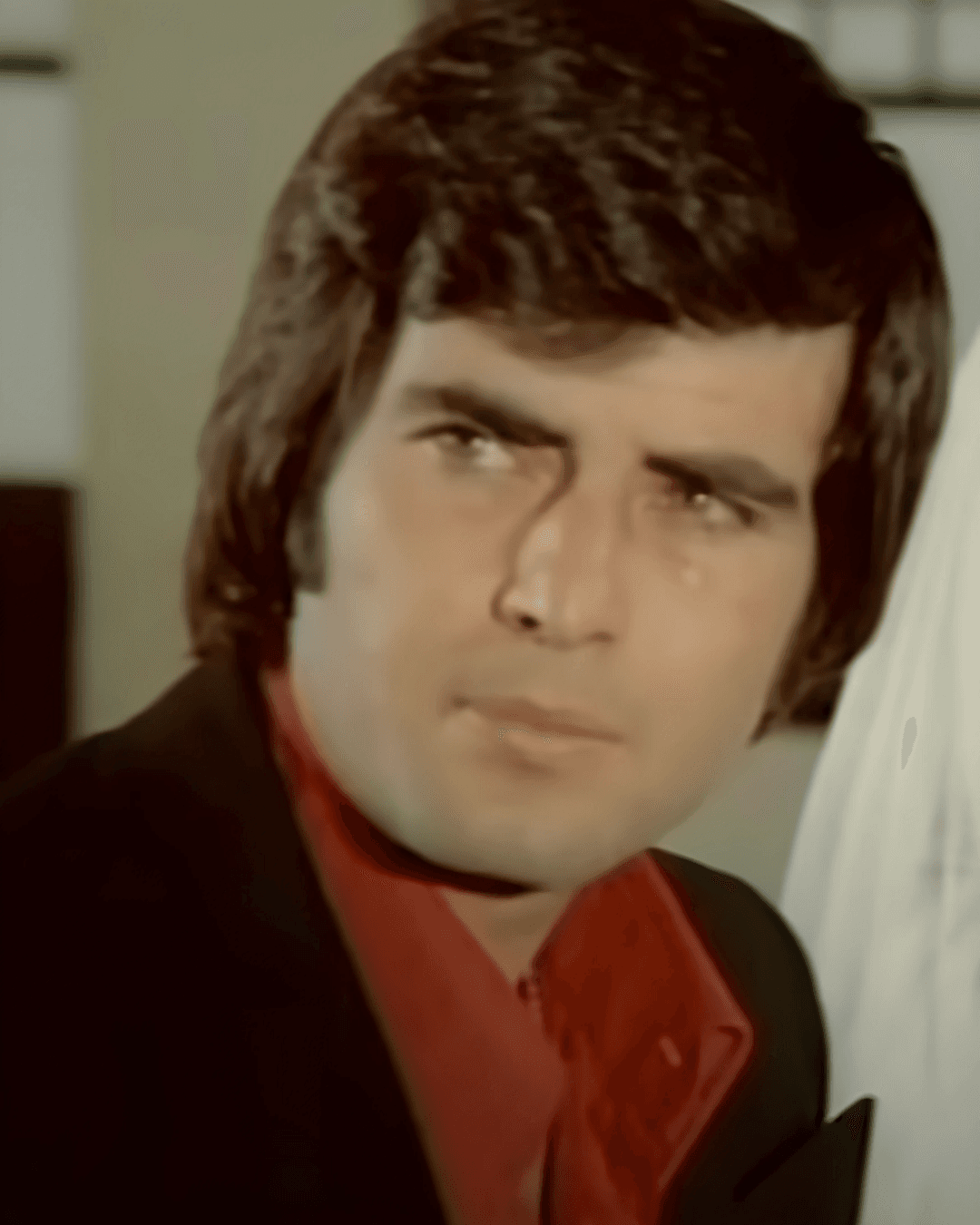
Tarık Akan (birth name: Tahsin Tarık Üregil; 13 December 1949, Istanbul – 16 September 2016, Istanbul) was a Turkish film and television actor, producer, and writer. Recognized as one of the most significant figures in Turkish cinema, Akan became one of the most popular actors of Yeşilçam during the 1970s, appearing in a wide range of genres including comedy, romance, social, and political films.
Tahsin Tarık Üregil was born on 13 December 1949 in Istanbul. The third child in his family, Akan began primary school at Erzurum Dumlupınar Primary School, completed his elementary education in Kayseri, and later moved to Istanbul with his family.
He began his university studies in the Department of Mechanical Engineering at Yıldız Technical University. He later transferred to the Higher School of Journalism and graduated from there.
In 1970, Tarık Akan won the “Cinema Artist Competition” organized by the magazine Ses. He made his cinematic debut in 1971 with the film Solan Bir Yaprak Gibi, adopting the stage name “Tarık Akan” at this time. He quickly became one of the most prolific actors of his era.
Between 1970 and 1975, Akan appeared in an average of 12 films per year, gaining widespread recognition especially for his performances in romantic comedies. Notable films from this period include Sev Kardeşim (1972), co-starring Hülya Koçyiğit; Mavi Boncuk (1974), with Emel Sayın; and Gece Kuşu Zehra (1975), alongside Hale Soygazi.
During these years, he also left a lasting mark on Turkish cinema with films such as Tatlı Dillim (1972), Canım Kardeşim (1973), Ah Nerede (1975), Bizim Aile (1975), and Hababam Sınıfı (1975), one of the best-known series in Turkish cinema. His portrayal of the character “Damat Ferit” in Hababam Sınıfı established him as one of Yeşilçam’s leading young stars.

Tarık Akan and Kemal Sunal, a still from the film “Canım Kardeşim”. (Arzu Film YouTube Channel)
After 1975, Akan chose to move away from being known solely for romantic or light-hearted films and began preferring more substantial roles. This shift became more pronounced after he completed his military service as a reserve officer in Denizli in 1979.
Among the significant films he appeared in during this new phase are Nehir (1977), Maden (1978, co-starring Cüneyt Arkın), which addressed workers’ issues; Sürü (1978, screenplay by Yılmaz Güney, directed by Zeki Ökten), which depicted migration and feudal structures; and Yol (1982, directed by Şerif Gören, screenplay by Yılmaz Güney), which achieved international acclaim and won the Palme d’Or at the Cannes Film Festival. Films such as Kanal (1979) also exemplified this period with their political and social themes.

Tarık Akan, a still from the film “Yol”. (South Cinema YouTube Channel
In 1986, he married Yasemin Erkut. Their son, Barış Zeki Eregül, was born the same year. In 1988, twin children, Yaşar Özgür Eregül and Özlem Eregül, were born. The couple divorced in 1989.
His son Barış Zeki Eregül made his cinematic debut in 2009, portraying the young Tarık Akan in the film Deli Deli Olma.
Tarık Akan passed away in Istanbul on 16 September 2016. His funeral prayer was held on 18 September 2016 at Teşvikiye Camii, after which he was buried at Bakırköy Zuhuratbaba Cemetery.
Beyazperde.com. “Tarık Akan Biyografisi.” Accessed September 15, 2025. https://www.beyazperde.com/sanatcilar/sanatci-14860/biyografi
YouTube. "Ah Nerede (1975) - Tek Parça." Accessed September 15, 2025. https://www.youtube.com/watch?v=GF8YgwO9zdM
YouTube. "Arzu Film YouTube Kanalı." "Canım Kardeşim - Kesin Kum Var Sende." Accessed September 15, 2025. https://www.youtube.com/watch?v=YuGSNExZ6vs&list=PL5l-XgoliGoTDRtmlCMw9d3kC2jFP9kJw
YouTube. "Arzu Film YouTube Kanalı." Accessed September 15, 2025. https://www.youtube.com/@arzufilm1964/videos
YouTube. “Güney Filmcilik YouTube Kanalı.” **YOL - TÜRK FİLMİ.** Accessed September 15, 2025. https://www.youtube.com/watch?v=r92jcOepRmk


Doğum tarihi | 1949-10-13 | ||||||||
|---|---|---|---|---|---|---|---|---|---|
Eş | b. 1989) Yasemin Erkut (e. 1986 | ||||||||
Ölüm tarihi | 2016-09-16 | ||||||||
Çocuk | Özlem Üregül Yaşar Özgür Üregül Barış Zeki Üregül | ||||||||
Active Years | 1970-2010 | ||||||||
Childhood and Education
Artistic Career
Personal Life
Death