This article was automatically translated from the original Turkish version.
+2 More
Province(s) | Adana | ||||||||
|---|---|---|---|---|---|---|---|---|---|
Geographic Region | Mediterranean | ||||||||
Population | 16,524 (2024) | ||||||||
District Governor | Muhammed Tuğrul BEDİRHAN | ||||||||
Mayor(s) | Ahmet AKTÜRK | ||||||||
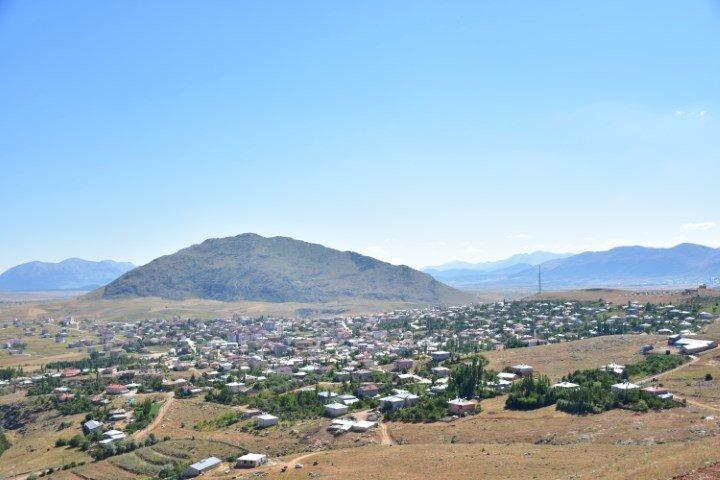
Tufanbeyli is a district located in the northeast of Adana province, at the foothills of the Central Taurus Mountains, noted for its high elevation and natural beauty. Situated approximately 196 kilometers from the provincial center, Tufanbeyli covers an area of 851 km² and has an elevation of 1,450 meters.

Adana, Tufanbeyli - General View of the District (Tufanbeyli Municipality)
The history of Tufanbeyli extends back to the 2nd millennium BCE to the Kingdom of Kizzuwatna. During antiquity, this region, located in the southwest of Cappadocia, was an important settlement during the Roman and Byzantine periods. The district’s former names were Höketçe (prior to 1923) and Mağara (1923–1967). In 1967, it was renamed after Osman Tufan Bey, a hero of the Ottoman National Forces.
Tufanbeyli features a mountainous and rugged terrain. Its northern areas are covered with pine, cedar, fir and juniper forests. The Göksu River flows nearby, dividing the district’s territory from north to south. The climate is continental, with hot dry summers and cold wet winters.

Adana, Tufanbeyli - Winter Landscape (Tufanbeyli Municipality)
Tufanbeyli, located in the northeast of Adana province, had a population of 16,524 as of 2024, accounting for approximately 0.73 percent of Adana’s total population. It is one of the least populous districts in Adana province. The district comprises 33 neighborhoods with a population density of about 19.4 people per km², significantly lower than the provincial average. The majority of Tufanbeyli’s population resides in rural areas.
The economy of Tufanbeyli is largely based on agriculture, animal husbandry and forestry. Major agricultural products include wheat, barley, chickpeas, grapes, apples, plums, dates and cherries. Due to the poor and unproductive nature of agricultural land, there has been a growing shift toward vegetable and fruit cultivation. Additionally, the Agricultural Credit Cooperative and 14 Agricultural Development Cooperatives provide support to farmers in obtaining fertilizer and agrochemicals.
Tufanbeyli, situated in the northeast of Adana province at the foothills of the Taurus Mountains, is notable for its historical and cultural richness. The region offers significant attractions for history enthusiasts with remains from the Hittite, Roman and Byzantine periods. The local cuisine is rich in traditional Turkish dishes, with meat-based meals and pastries being particularly prominent. Tufanbeyli’s culinary culture is known for its flavorful dishes prepared using regional ingredients.
The Şar Excavation Site, located at the northern tip of Tufanbeyli near the border with Kayseri province, was known in antiquity as Komana of Cilicia and served as a religious center. Originally established by the Hittites, the settlement continued to function as an important religious site during the Roman and Byzantine periods. Most of the surviving structures at the site date from the Roman era. Notable among these is a stepped open-air theater enclosed by a high wall, featuring chambers that served as shelters for wild animals.

Adana, Tufanbeyli - Şar (Komana) Ancient City (Tufanbeyli Municipality)
Hanyeri is a neighborhood located west of Tufanbeyli district, southeast of Mount Erciyes. Approximately 800 meters from the neighborhood lies the Hanyeri Rock Monument, a Hittite rock relief dating to the 13th century BCE. The monument features carved figures on the rock surface and highlights the historical significance of the region.
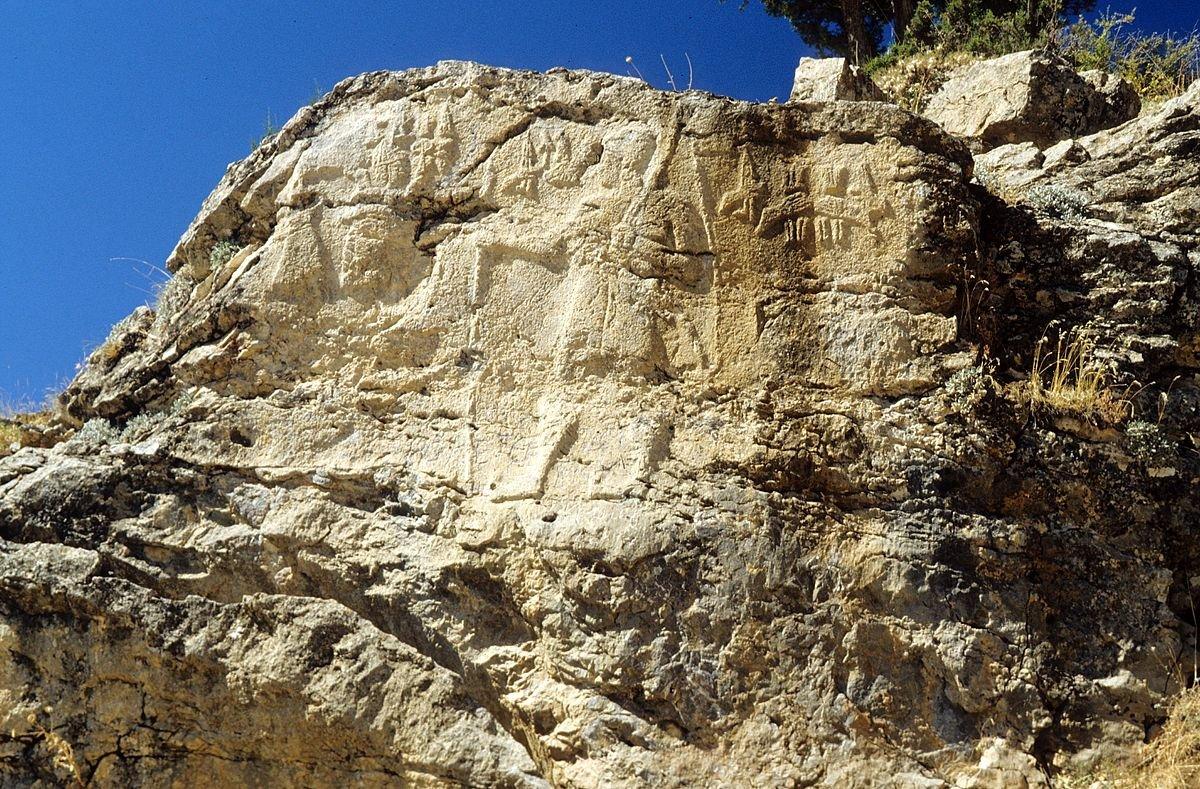
Adana, Tufanbeyli - Hanyeri Rock Monument (Tufanbeyli Municipality)
Adana İl Kültür ve Turizm Müdürlüğü. “Tufanbeyli.” Adana Kültür Portalı. Accessed August 16, 2025. https://adana.ktb.gov.tr/TR-110885/tufanbeyli.html
Ministry of Culture and Tourism. "Şar Örenyeri." Türkiye Kültür Portalı. Accessed August 16, 2025. https://www.kulturportali.gov.tr/turkiye/adana/gezilecekyer/sar-orenyeri
Tufanbeyli Municipality. "Tarihçe." Tufanbeyli Municipality Official Website. Accessed August 16, 2025. https://www.tufanbeyli.bel.tr/tarihce.html
Türkiye Statistical Institute (TÜİK). "Adrese Dayalı Nüfus Kayıt Sistemi Sonuçları, 2024." Accessed August 16, 2025. https://data.tuik.gov.tr/Bulten/DownloadIstatistikselTablo?p=mrUHYGTWyI7m1gItx3gEMDRQQ0yKBoK%2FY4%2F7PGKKmePr6h55u6PVE825fke17fBi

Province(s) | Adana | ||||||||
|---|---|---|---|---|---|---|---|---|---|
Geographic Region | Mediterranean | ||||||||
Population | 16,524 (2024) | ||||||||
District Governor | Muhammed Tuğrul BEDİRHAN | ||||||||
Mayor(s) | Ahmet AKTÜRK | ||||||||
No Discussion Added Yet
Start discussion for "Tufanbeyli (District)" article
History
Geography and Climate
Population and Demographic Structure
Economy
Tourism, Culture and Cuisine
Şar Excavation Site (Ancient City of Komana)
Hanyeri Rock Monument