
 Recently Added:
This article was automatically translated from the original Turkish version.
United Nations (UN) Secretary-General Antonio Guterres, on 25 July 2026, made an official visit to Damascus, the capital of Syria, becoming the first sitting UN Secretary-General to visit Syria since 2009. Guterres’s visit has been regarded as a significant milestone for Syria, which entered a transition process following the end of Bashar al-Assad’s regime in December 2024, particularly in terms of reconstruction, international legitimacy, and diplomatic normalization. During the visit, Guterres held talks with Syrian President Ahmed al-Sharaa, Foreign Minister Asad Hasan Shaybani, and other senior officials, addressing issues such as national reconstruction, humanitarian aid, sanctions, sovereignty, and regional security.
Upon arriving in Damascus, Guterres described his visit as a “solidarity mission” and emphasized that the United Nations stands with the Syrian people.
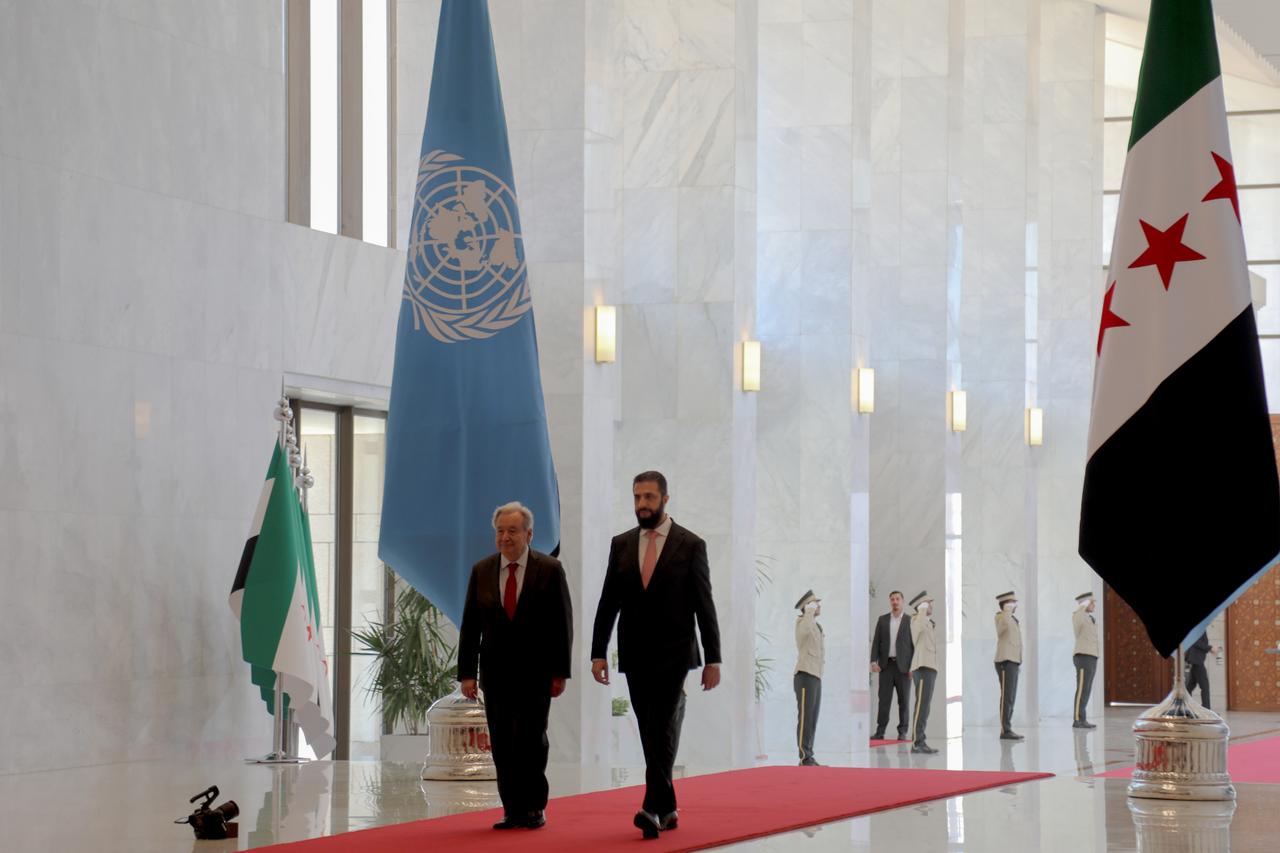
Guterres Şam Ziyareti - 25 Temmuz 2026 (Anadolu Ajansı)
Appealing to the international community, Guterres stressed the need for increased global support to enable Syria to rebuild, asserting that the country cannot recover on its own after decades of war. The UN Secretary-General highlighted that international assistance in political, economic and humanitarian fields is crucial for regional stability.
During the meeting with President Ahmed al-Sharaa at the Presidential Palace in Damascus, the post-conflict reconstruction process took center stage. Guterres underscored that no country can rebuild alone after a severe civil war and called on the international community to contribute to Syria’s reconstruction. Discussions focused on UN-led reconstruction initiatives, improvement of public services, economic recovery, and the return of displaced persons.
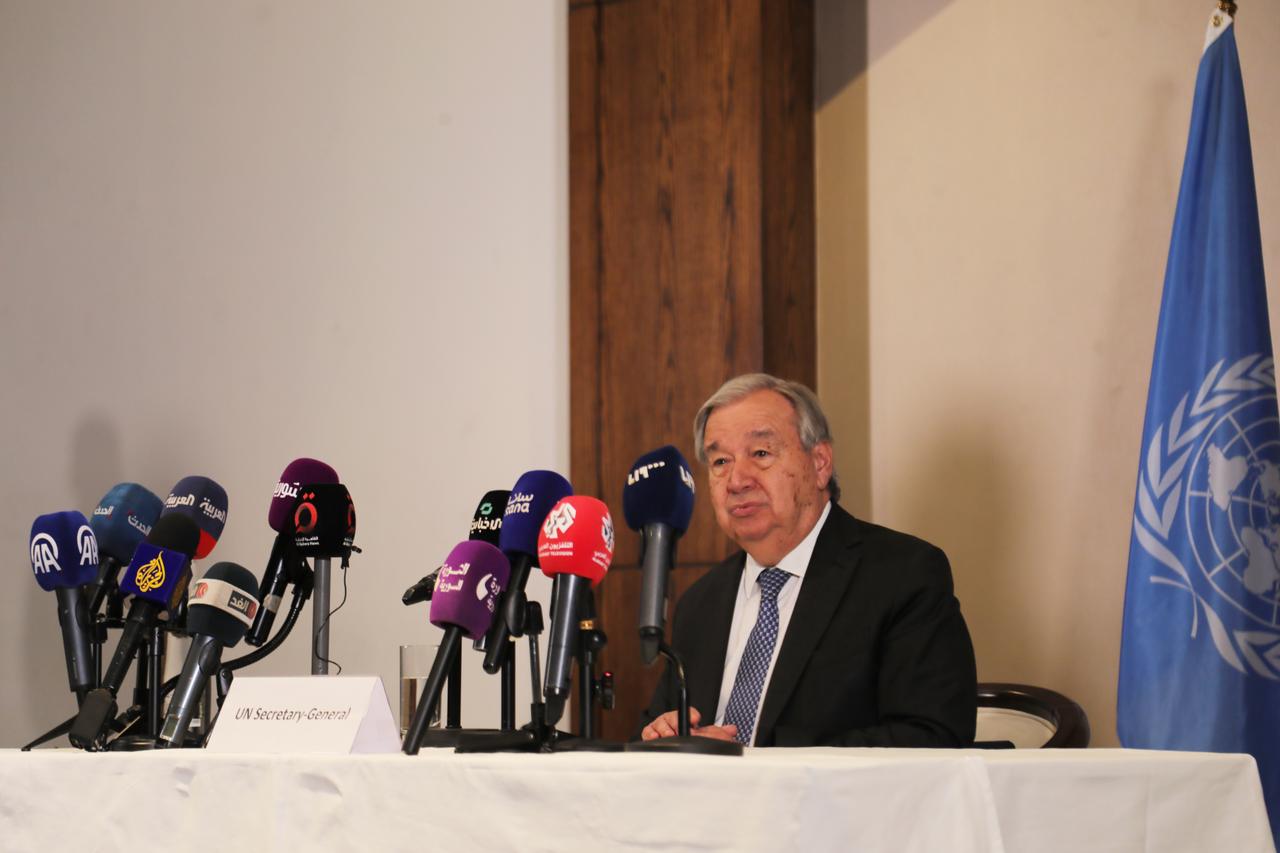
UN Secretary-General Guterres's Press Statement in Damascus, 26 July 2026 (Anadolu Agency)
Syrian Foreign Minister Asad Hasan Shaybani stated that his country expects greater financial and technical support from international actors, particularly the European Union. Shaybani noted that during talks with the UN, the Syrian government’s plans to close displacement camps and integrate displaced populations into reconstruction projects were reviewed. The meetings were seen as a sign of the transitional administration’s commitment to strengthening cooperation with international organizations.
During his meetings in Damascus, Antonio Guterres emphasized the necessity of lifting international sanctions on Syria. He stated that sanctions have negatively impacted economic recovery and reconstruction efforts and stressed that their removal is critical to improving living conditions for the population. The UN Secretary-General affirmed that economic recovery contributes to sustainable peace.
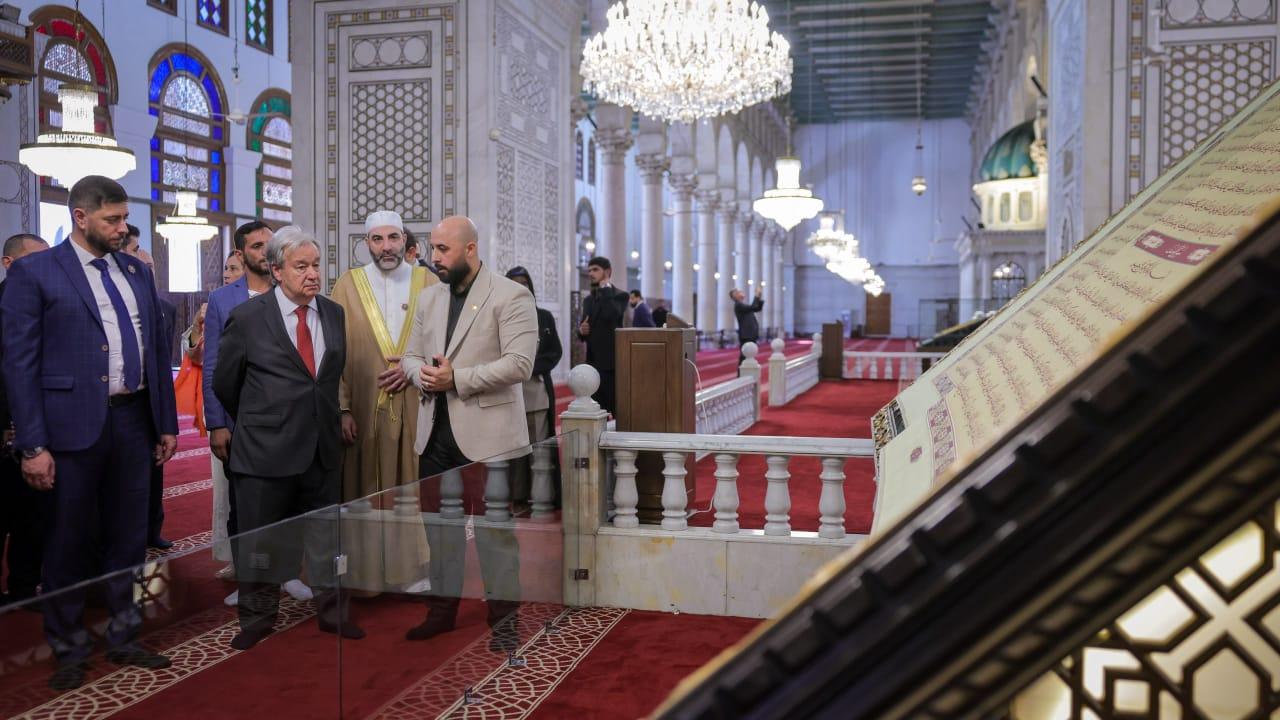
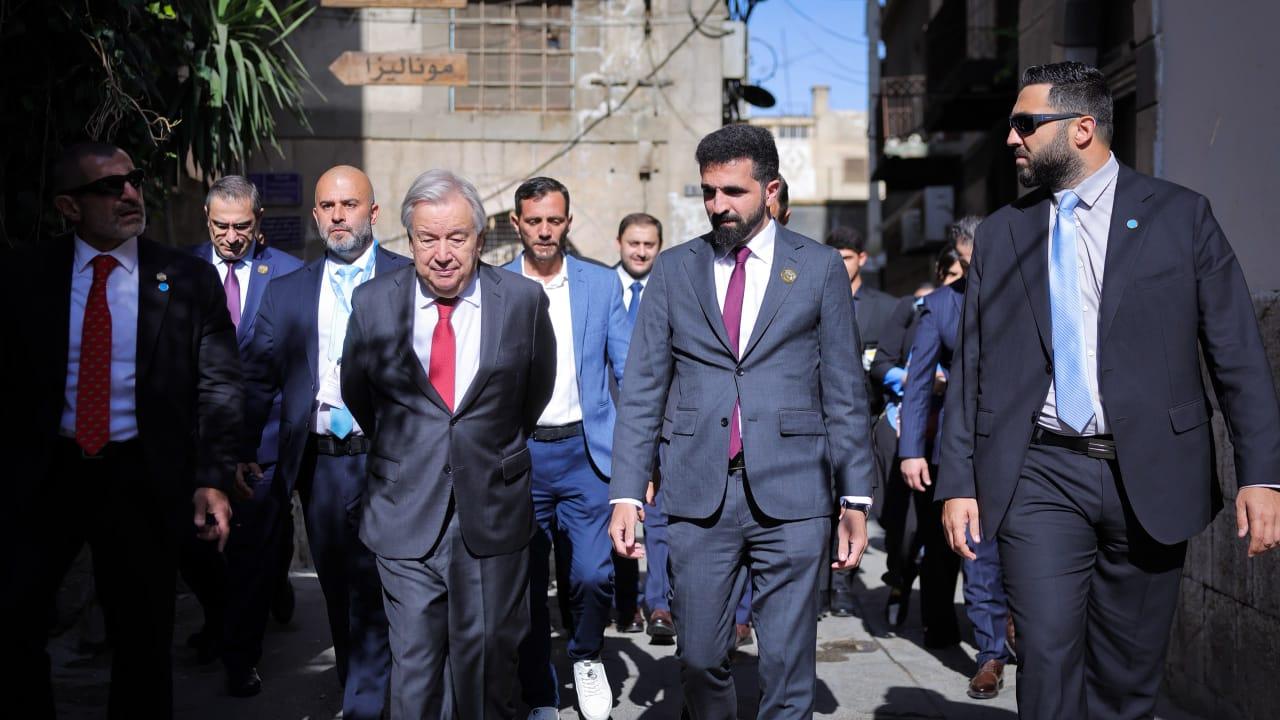
Guterres Şam Ziyareti - 25 Temmuz 2026 (Anadolu Ajansı)
Guterres noted that international financing and investment mechanisms must be opened to restore essential services in health, energy, infrastructure, and basic public services. He confirmed that the UN will continue its humanitarian operations and stated that economic recovery not only supports political stability but also facilitates the safe return of refugees.
At a joint press conference in Damascus, Antonio Guterres stressed the need for full respect for Syria’s sovereignty, independence, and territorial integrity. The UN Secretary-General affirmed that Syria’s future must be determined by Syrians themselves and called attention to the importance of an inclusive political transition process free from external interference.
Guterres called on all international actors to act in accordance with the UN Charter and international law. He stated that an inclusive, accountable, and human rights-respecting political transition is a fundamental condition for lasting stability. He affirmed that the UN will continue to play a facilitative role in this process.
One of the key issues raised during the visit was Israel’s military activities around the Golan Heights and in southern Syria. Antonio Guterres characterized Israel’s military operations in and around the UN-monitored buffer zone as “completely unacceptable.” He emphasized that preserving the 1974 Disengagement Agreement and respecting the current status quo are of great importance for regional security.
Syrian Foreign Minister Asad Hasan Shaybani called for Israel’s immediate and unconditional withdrawal from Syrian territory. The meetings also assessed the operational status of the United Nations Disengagement Observer Force (UNDOF) and the security situation along the border. Guterres’s visit schedule included a planned meeting with UN peacekeeping personnel stationed in the Golan Heights.
Antonio Guterres noted that Syria’s humanitarian crisis continues, with millions still in need of assistance. According to UN data, although approximately 1.9 million internally displaced persons and 1.7 million Syrian refugees have returned since the end of the Assad regime, around 5.5 million people remain internally displaced. Additionally, approximately 6 million Syrians continue to live abroad.
UN data indicate that about 15.6 million people in Syria require humanitarian assistance. Guterres stated that for returns to be sustainable, security, shelter, infrastructure, education, and healthcare services must be strengthened, and he emphasized that increased international support in these areas is essential.
Guterres’s visit to Damascus has been viewed as a significant step in Syria’s efforts to reintegrate into the global system after years of international isolation. The administration of Ahmed al-Sharaa continues initiatives to end the diplomatic isolation of the Assad era by strengthening ties with the United Nations, European countries, and regional actors.
The visit followed the United States’ announcement of its intention to lift the majority of sanctions on Syria and to remove Syria from its list of state sponsors of terrorism.
Al-Monitor. "Guterres meets Syria's Sharaa on first visit to Damascus by UN chief in 17 years." Accessed July 27, 2026.https://www.al-monitor.com/originals/2026/07/guterres-meets-syrias-sharaa-first-visit-damascus-un-chief-17-years
Anadolu Ajansı. "BM Genel Sekreteri Guterres'ten Suriye'ye uygulanan yaptırımların kaldırılması çağrısı." Accessed July 27, 2026.https://www.aa.com.tr/tr/dunya/bm-genel-sekreteri-guterresten-suriyeye-uygulanan-yaptirimlarin-kaldirilmasi-cagrisi/4009897
Euronews. "BM Genel Sekreteri Guterres'ten Şam'da Suriye için uluslararası destek çağrısı." Accessed July 27, 2026.https://tr.euronews.com/2026/07/25/bm-genel-sekreteri-2009dan-beri-ilk-sam-ziyaretinde-suriyeye-kuresel-destek-istedi
United Nations News. "UN chief hails Syria’s ‘moment of possibility’ on first visit since fall of Assad regime." Accessed July 27, 2026.https://news.un.org/en/story/2026/07/1168027

United Nations Secretary-General Antonio Guterres visited Damascus on 25 July 2026, becoming the first UN Secretary-General since 2009 to do so. Meeting with Syrian President Ahmed al-Sharaa, Guterres called for increased international support for the country’s reconstruction, the lifting of sanctions, and respect for Syria’s sovereignty and territorial integrity. Guterres also described Israel’s military activities around the Golan Heights as “unacceptable” and emphasized that millions of Syrians still require humanitarian assistance.
No Discussion Added Yet
Start discussion for "United Nations Secretary-General Antonio Guterres's Visit to Damascus" article
July 27, 2026
International Support for Syria’s Reconstruction
July 27, 2026
Call for Lifting Sanctions on Syria
July 27, 2026
Emphasis on Syria’s Sovereignty and Territorial Integrity
July 27, 2026
Statements on Israel’s Activities in the Golan Heights and Southern Syria
July 27, 2026
Humanitarian Situation and Refugee Return Process
July 27, 2026
Syria’s Reintegration into the International System