

 Recently Added:
This article was automatically translated from the original Turkish version.
The meeting between U.S. President Donald Trump and Chinese President Xi Jinping is regarded as a critical diplomatic engagement that will address multifaceted global issues including the trade wars between the two countries the Iran crisis the Taiwan issue artificial intelligence competition and nuclear weapons.
It has been stated that Trump’s visit to China between 13 and 15 May will be the first official visit by a U.S. president to China in approximately ten years. It has been reported that the talks will take place in Beijing and that the leaders will meet face to face for the first time in about six months.
Relations between the United States and China have reportedly deteriorated significantly in recent years due to trade wars the Iran conflict Taiwan tensions and technological competition. It has been noted that the Trump administration imposed high customs tariffs on Chinese goods while China responded with countermeasures.
It has been reported that new trade and investment mechanisms between the two countries will be on the agenda. U.S. officials have indicated that China may announce new purchase agreements for Boeing aircraft American agricultural products and energy resources.
It has been noted that the parties will also assess extending a previous temporary agreement on rare earth elements. China’s critical position in global rare earth element production has been emphasized particularly due to its strategic importance for U.S. technology and defense industries.
It has been stated that since his first term as president Trump has pursued protectionist economic policies toward China including imposing additional tariffs on hundreds of billions of dollars worth of Chinese goods. It has also been reported that these policies have largely continued under the Biden administration.
The Iran conflict is expected to be one of the main agenda items in the talks between Trump and Xi. It has been noted that China is one of the largest buyers of Iranian oil and that the Washington administration has pressured Beijing to use its influence over Tehran.
It has been reported that U.S. Treasury Secretary Scott Bessent accused China of financing Iran through its energy revenues. China on the other hand has refused to recognize unilateral U.S. sanctions against Iran and has called for an end to the conflict.
It has been stated that Iran’s closure of the Strait of Hormuz in response to U.S. and Israeli attacks has created serious pressure on global energy transportation and the world economy. It has been noted that Asian countries heavily dependent on Middle Eastern energy imports have been significantly affected by the crisis.
It has been stated that the Taiwan issue remains one of the fundamental points of disagreement in U.S.-China relations. China regards Taiwan as its own territory while the United States continues to provide military and political support to Taiwan.
It has been indicated that U.S. officials have emphasized that Washington’s policy on Taiwan will not change. China’s increased military activities around Taiwan in recent years have been assessed as posing a risk to regional security.
It has been reported that the military and strategic use of artificial intelligence technologies will also be on the agenda. The U.S. administration has expressed concern over China’s advanced AI models and is considering establishing a communication channel between the two countries on this issue.
It has been noted that the Washington administration has long sought negotiations with China on nuclear arms control but that Beijing has shown reluctance on this issue. Chinese officials have reportedly conveyed to the United States that they have no interest in nuclear arms control talks during bilateral discussions.
It has been stated that the trade wars between the United States and China began in 2018 with the Trump administration’s imposition of large-scale customs tariffs on Chinese goods. While China’s economy was long dependent on the U.S. market it has reportedly diversified its export networks by developing new trading partners in recent years.
It has been indicated that China is also striving to reduce its dependence on Western technology companies by increasing domestic production capacity in semiconductors robotics and artificial intelligence.
The Trump-Xi meeting is assessed as critically important not only for bilateral relations but also for the global economy energy security and geopolitical balances. The outcome of the talks is expected to influence the course of the Iran conflict the global trade system energy markets and the future of U.S.-China competition.
Al Jazeera. “Trump to Discuss Iran with Xi Jinping During China Visit: Officials.” Accessed May 11, 2026. https://www.aljazeera.com/news/2026/5/10/trump-to-discuss-iran-with-xi-jinping-during-china-visit-officials
BBC News. “Trump and Xi Are Set to Meet. Where Do US-China Tariffs Stand?” Accessed May 11, 2026. https://www.bbc.com/news/articles/c3rz75rgn8zo.
Reuters. “Trump and China's Xi Set for Talks Spanning Iran, Nuclear, Trade and AI.” Accessed May 11, 2026. https://www.reuters.com/world/china/rare-earths-deal-between-us-china-is-still-effect-us-official-says-2026-05-10/
South China Morning Post. “China Confirms Dates for Donald Trump’s State Visit to Beijing.” Accessed May 11, 2026. https://www.scmp.com/news/china/diplomacy/article/3353075/china-confirms-dates-donald-trumps-state-visit-beijing.

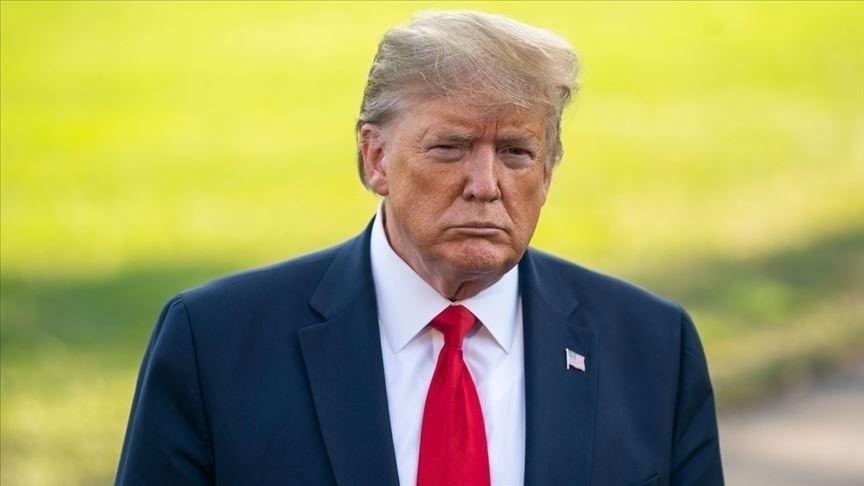
The agenda of the critical meeting between U.S. President Donald Trump and Chinese President Xi Jinping in Beijing will include the Iran war trade wars Taiwan artificial intelligence and nuclear weapons.
No Discussion Added Yet
Start discussion for "U.S. President Donald Trump's Visit to China (May 2026)" article
May 11, 2026
Background of the Meeting
May 11, 2026
Trade and Economic Cooperation Agendas
May 11, 2026
Iran Conflict and Energy Crisis
May 11, 2026
Taiwan Issue and Security Tensions
May 11, 2026
Artificial Intelligence and Nuclear Weapons
May 11, 2026
Historical Context of the Trade Wars
May 11, 2026
Global Significance of the Meeting