


This article was automatically translated from the original Turkish version.
+1 More
Vaccine
Definition(s) | Biological preparation administered to induce an immune response | ||||||||
|---|---|---|---|---|---|---|---|---|---|
Purpose(s) | Individual immunity Herd immunity (population immunity) | ||||||||
History | 1921: BCG vaccine (Calmette and Guérin) 1885: Louis Pasteur - rabies vaccine 1796: Edward Jenner - smallpox vaccine 15th century: China - variolation | ||||||||
Type(s) | Live attenuated vaccine Viral vector vaccine mRNA/DNA vaccine Toxoid vaccine Inactivated (killed) vaccine | ||||||||
Application | Türkiye - National Vaccination Schedule (Ministry of Health) 1974: WHO - Expanded Programme on Immunization | ||||||||
Impact | Decrease in mortality and morbidity polio and diphtheria Reduction in incidence of diseases such as measles Eradication of smallpox | ||||||||
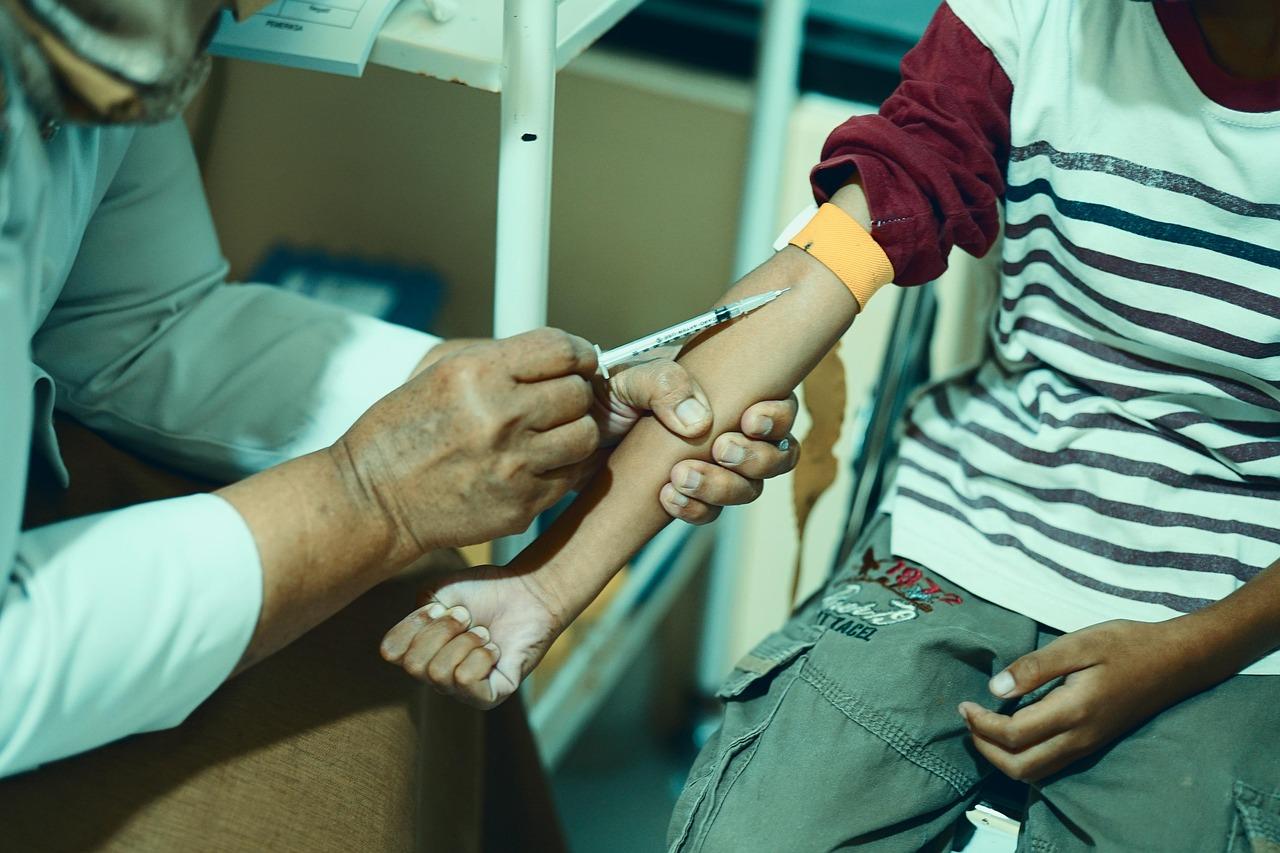
A vaccine is a biological product used to induce a specific immune response against certain infections in individuals. Vaccines are prepared using attenuated or inactivated microorganisms, their toxins, or genetic material. Vaccination practices prepare the immune system for disease by exposing it in advance to the infectious agent. This not only provides individual protection but also reduces the spread of infectious diseases at the community level.
The earliest observations related to immunity date back to ancient Greece. In 429 BCE, the Athenian historian Thucydides wrote that individuals who had recovered from smallpox did not contract the disease again. The technique of variolation, documented in 15th-century China, involved applying material taken from lesions of smallpox patients to healthy individuals. This practice was transmitted to the Caucasus and Ottoman territories through Central Asian Turks and was introduced to Europe in the early 18th century by Lady Mary Wortley Montagu, following her observations in Istanbul.
In 1796, Edward Jenner inoculated a child with material from cowpox lesions, thereby inducing immunity to smallpox. This procedure is regarded as the beginning of modern vaccination. In 1885, Louis Pasteur developed a live attenuated vaccine against rabies. His use of passaged material to reduce virulence laid the foundation for the attenuation technique. Following Robert Koch’s identification of the tuberculosis bacillus in 1882, Albert Calmette and Camille Guérin attenuated a strain of bovine tuberculosis to produce the Bacillus Calmette–Guérin (BCG) vaccine, which was first administered to humans in 1921. Throughout the 20th century, numerous vaccines against various bacteria and viruses were developed and widely adopted.
Vaccines are classified according to their composition and production methods:
The World Health Organization (WHO) launched the Expanded Programme on Immunization in 1974 with the goal of globally expanding childhood vaccines. Through this program, smallpox was eradicated, and the incidence of diseases such as diphtheria, polio, measles, and meningitis declined significantly in many regions. It has been reported that vaccination coverage rates for preventable diseases reach levels of around 85 percent.
In Türkiye, routine childhood vaccination programs are implemented under the National Immunization Schedule managed by the Ministry of Health. Vaccination services aim to provide both individual immunity and herd immunity at the community level.
Vaccine hesitancy refers to the delay or refusal of vaccination despite availability of vaccine services. The WHO has identified this phenomenon as a global health concern. Vaccine refusal is the deliberate non-administration of all vaccines. Vaccine opposition is defined by narratives and actions that reject scientific foundations.
A 1998 study claiming a link between the measles-mumps-rubella (MMR) vaccine and autism was later retracted. This study caused public loss of confidence, but extensive research has since invalidated the claim.
In Türkiye, the number of official vaccine refusal reports rose from 183 in 2011 to 23,000 in 2017. WHO monitoring systems have warned that negative attitudes toward vaccination may lead to the re-emergence of infectious diseases.
It has been reported that the knowledge and attitudes of health workers significantly influence individuals’ vaccination decisions. Studies have found that a large proportion of physicians believe childhood vaccines should be legally mandated, while some health professionals express reservations regarding vaccine composition, side effects, and manufacturing origins. Literature suggests these findings may be associated with health workers’ vaccine recommendation behaviors.
Warning: The content in this article is provided solely for general encyclopedic informational purposes. The information here must not be used for diagnosis, treatment, or medical advice. Before making any decisions regarding health, you must consult a physician or qualified healthcare professional. The author of this article and KÜRE Encyclopedia accept no responsibility for any consequences arising from the use of this information for diagnostic or therapeutic purposes.
Akar, Seçil Yılmaz, and Güzin Zeren Öztürk. “Hekimlerin Aşı ve Aşı Karşıtlığı Hakkında Bilgi, Tutum ve Davranışlarının Değerlendirilmesi (Evaluation of Knowledge, Attitudes and Behaviors of Physicians on Vaccine and Anti-vaccination).” *FLORA - Enfeksiyon Hastalıkları ve Klinik Mikrobiyoloji Dergisi* 25, no. 4 (2020): 516–526. Accessed May 31, 2025. https://www.researchgate.net/publication/348247338_Hekimlerin_Asi_ve_Asi_Karsitligi_Hakkinda_Bilgi_Tutum_ve_Davranislarinin_Degerlendirilmesi. doi:10.5578/flora.69060.
Akdeniz, Melahat, and Ethem Kavukcu. “Aşılama ve Aşıların Tarihçesi (History of Vaccination and Immunisation).” *Klinik Tıp Aile Hekimliği Dergisi* 8, no. 2 (March–April 2016): 32–36. Accessed May 31, 2025. https://dergipark.org.tr/tr/download/article-file/580244.
Azap, Alpay. *Aşı Karşıtlarının İddiaları ve Bilimin Yanıtları.* Ankara: Türk Tabipleri Birliği Yayınları, 2018. Accessed May 31, 2025. https://www.ttb.org.tr/userfiles/files/As%CC%A7%C4%B1%20kars%CC%A7%C4%B1tlar%C4%B1n%C4%B1n%20iddialar%C4%B1%20ve%20gerc%CC%A7ekler.pdf.
Balkan, İlker İnanç, and Recep Öztürk. “Aşı ve Ar-Ge: Aşı Kararsızlığı ve Aşı Reddi.” *SD Sağlık Düşüncesi ve Tıp Kültürü Dergisi*, no. 61 (2022): 94–97. Accessed May 31, 2025. https://www.medipol.edu.tr/sites/default/files/document/SD_Dergi_Sayi61-94-97.sayfalar_Ilker_Inanc_Balkan_Recep_Ozturk.pdf.
Mühür, İrem, Şerife Yılmaz, and Pınar Soylu. “Geçmişten Günümüze Aşı ve Aşılama (Vaccine and Vaccination from Past to Present).” *Journal of Medical Topics & Updates (Journal of MTU)* 1, no. 1 (2022): 32–36. Accessed May 31, 2025. https://dergipark.org.tr/tr/download/article-file/2356194. doi:10.5281/zenodo.6502826.
Pixabay. "Enjeksiyon Aşı Hasta Sağlık." Photograph. Accessed May 31, 2025. https://pixabay.com/tr/photos/enjeksiyon-a%C5%9F%C4%B1-hasta-sa%C4%9Fl%C4%B1k-7773033/.
Pixabay. “Şırınga Atış Şişe Tıbbi İğne Aşı.” Illustration. Accessed May 31, 2025. https://pixabay.com/tr/illustrations/%C5%9F%C4%B1r%C4%B1nga-at%C4%B1%C5%9F-%C5%9Fi%C5%9Fe-t%C4%B1bbi-i%C4%9Fne-a%C5%9F%C4%B1-1884758/.
Tokaç, Mahmut. “Aşının Tarihçesi.” *SD Sağlık Düşüncesi ve Tıp Kültürü Dergisi*, no. 61 (2022): 8–11. Accessed May 31, 2025. https://www.medipol.edu.tr/sites/default/files/document/SD_Dergi_Sayi61-8-11.sayfalar_Mahmut_Tokac.pdf.

Vaccine
Definition(s) | Biological preparation administered to induce an immune response | ||||||||
|---|---|---|---|---|---|---|---|---|---|
Purpose(s) | Individual immunity Herd immunity (population immunity) | ||||||||
History | 1921: BCG vaccine (Calmette and Guérin) 1885: Louis Pasteur - rabies vaccine 1796: Edward Jenner - smallpox vaccine 15th century: China - variolation | ||||||||
Type(s) | Live attenuated vaccine Viral vector vaccine mRNA/DNA vaccine Toxoid vaccine Inactivated (killed) vaccine | ||||||||
Application | Türkiye - National Vaccination Schedule (Ministry of Health) 1974: WHO - Expanded Programme on Immunization | ||||||||
Impact | Decrease in mortality and morbidity polio and diphtheria Reduction in incidence of diseases such as measles Eradication of smallpox | ||||||||
History
Types of Vaccines
Vaccination Programs and Public Health
Vaccine Hesitancy and Opposition
Role of Health Professionals