


This article was automatically translated from the original Turkish version.
During air travel, the failure of engines is a concern that crosses many people’s minds. This worry can intensify especially under adverse weather conditions. However, the malfunction or complete shutdown of one engine does not typically mean the journey is in danger. Modern aircraft are designed to continue flying safely even if one engine becomes inoperative. This situation is often so subtle that most passengers may not even notice it.
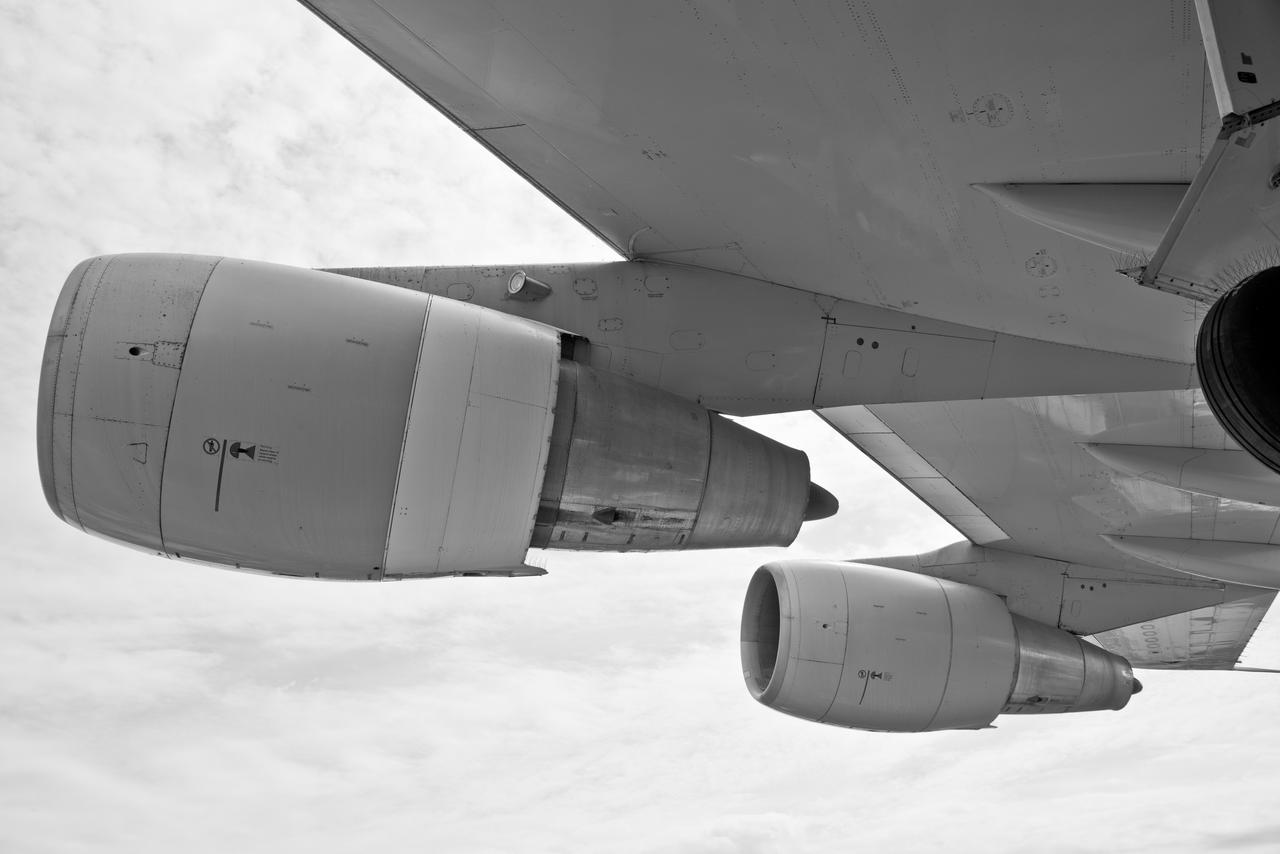
Aircraft Engines (pixabay)
The primary components that allow aircraft to remain airborne are engines and wings. Engines draw in air, combine it with fuel, and ignite it to generate thrust, while wings produce lift through their specialized design, keeping the aircraft aloft. Even if one engine fails while the aircraft is cruising at high altitude, such as around 25,000 feet, this does not automatically result in a crash. Engine failures are very rare and account for only a small fraction of aircraft accidents. Pilots receive specialized training and are well versed in emergency procedures for such events.
Multimotor aircraft are designed with the possibility of losing one engine in mind. For example, four-engine aircraft such as the Airbus A340 or Boeing 747 can continue flying using the remaining engines after the loss of one. Similarly, twin- or three-engine aircraft like the Boeing 737 or Boeing 727 are equipped to fly safely on a single engine for four to five hours. As a result, an engine failure does not prevent the flight from continuing. Pilots counteract the asymmetric thrust by using the rudder pedals to maintain control of the aircraft in such situations.
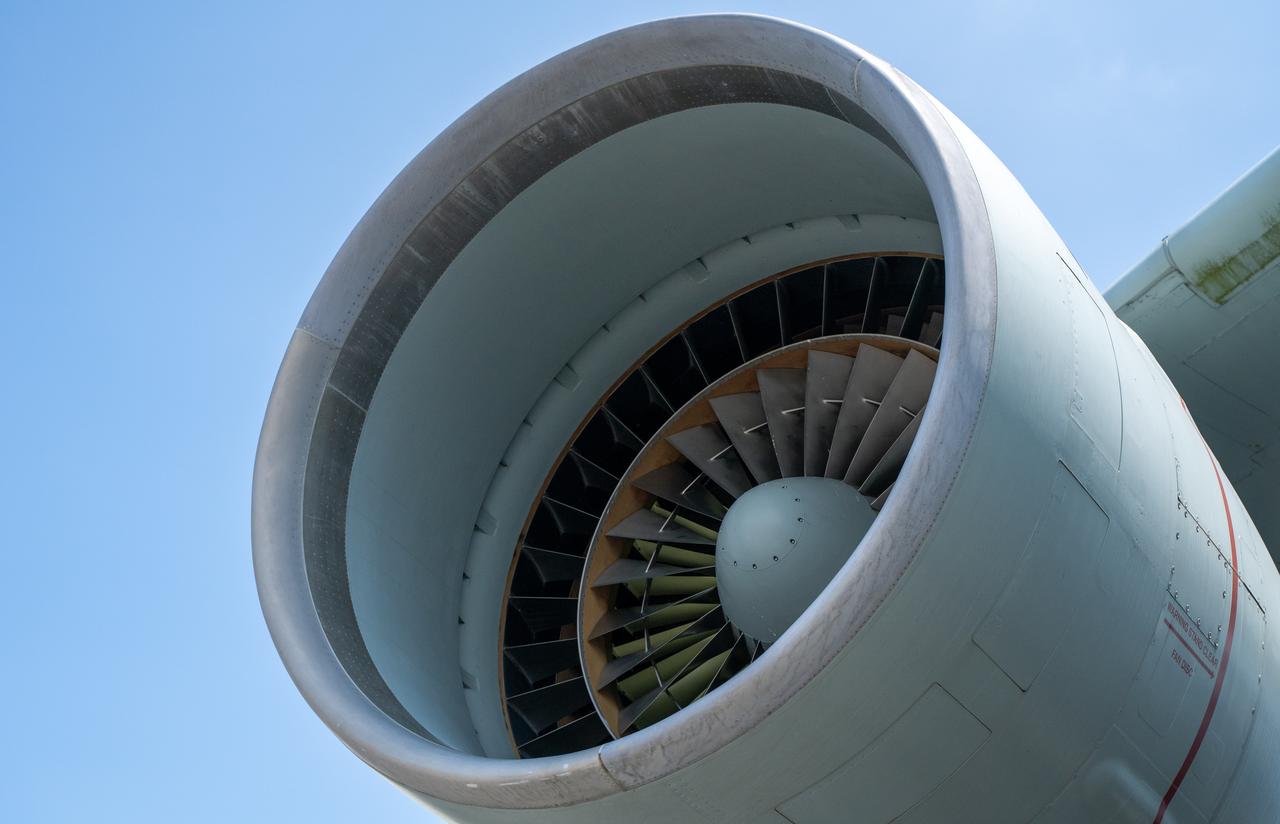
Close-up of an Aircraft Engine (pixabay)
The loss of one engine affects the aircraft’s performance: maximum power decreases and speed may drop. As a result, pilots typically reduce the flight altitude to between 15,000 and 20,000 feet to maintain more controlled flight. Additionally, landing may become slightly more challenging due to the engine failure. In such cases, pilots may change the destination airport if necessary to ensure the aircraft lands under the most favorable conditions for a safe approach.
In conclusion, although the failure of one aircraft engine may appear alarming to many passengers, modern aviation technology and experienced pilots ensure that such incidents are generally manageable. Aircraft designed to fly for four to five hours on a single engine guarantee that the journey can continue safely. Therefore, rather than panicking during an engine failure, passengers can be reassured knowing that professionals are in full control.
Accessed November 26, 2025.
Havacılık ve Uzay Akademisi. "Uçakların Yolculuk Sırasında Motorları Durursa Ne Olur?" Havacılık ve Uzay Portalı, September 9, 2021. Accessed August 12, 2025.
Havacılık ve Uzay Akademisi. "Uçakların Yolculuk Sırasında Motorları Durursa Ne Olur?" Havacılık ve Uzay Portalı, September 9, 2021. Accessed August 12, 2025.
Herkes İçin Havacılık, "Uçuş Sırasında Motor Durursa Ne Olur?", May 5, 2020. Accessed August 12, 2025.
Herkes İçin Havacılık, "Uçuş Sırasında Motor Durursa Ne Olur?", May 5, 2020. Accessed August 12, 2025.
Pixabay. "Pervane Hava Kuvvetleri Uçak." Pixabay, July 29, 2020. Accessed August 13, 2025.
Pixabay. "Uçak Kanatlar Motor Uçan." Pixabay, October 6, 2014. Accessed August 12, 2025.
Pixabay. "Uçak Kanatlar Motor Uçan." Pixabay, October 6, 2014. Accessed August 12, 2025.
