


+2 More

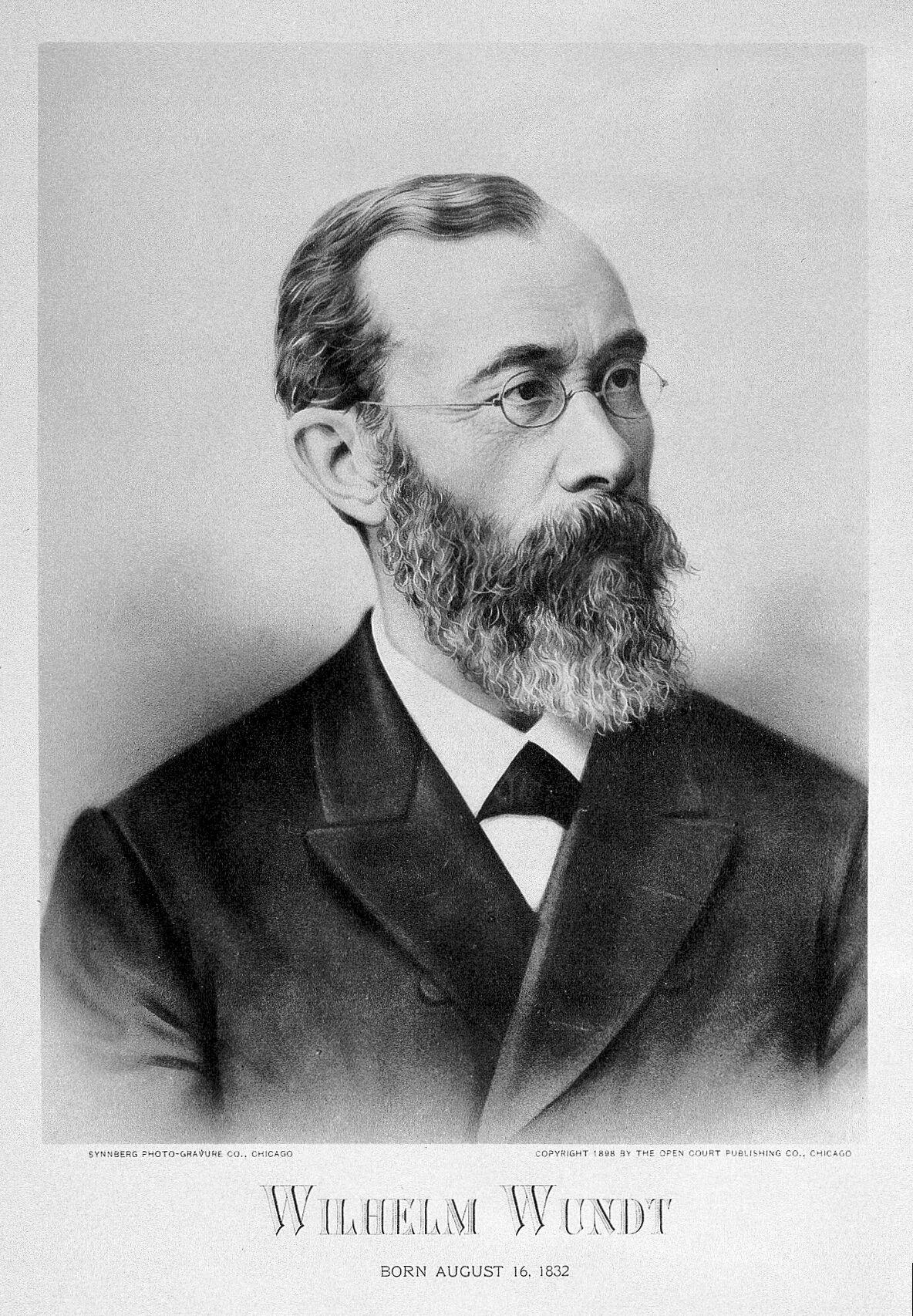
Wilhelm Wundt
Full Name | Wilhelm Maximilian Wundt | ||||||||
|---|---|---|---|---|---|---|---|---|---|
Doğum tarihi | 1832-08-16 | ||||||||
Place of Birth | Neckarau, Baden (Mannheim), Türkiye | ||||||||
Ölüm tarihi | 1920-08-31 | ||||||||
Place of Death | Großbothen, near Leipzig, Türkiye | ||||||||
Nationality | German | ||||||||
Field | Psychology, Physiology, Philosophy | ||||||||
Title(s) | Founder of Modern Psychology | ||||||||
Wilhelm Wundt (Wilhelm Maximilian Wundt) was born on 16 August 1832 in the town of Neckarau, Germany. His family belonged to an educated and cultured background; his father was a school principal. This environment supported Wundt’s early interest in scientific and academic pursuits. After receiving his initial education under family guidance, he completed his secondary schooling.
He enrolled at Heidelberg University to study medicine. There he developed a special interest in physiology, particularly focusing on the nervous system. He completed his doctorate in 1856. His doctoral thesis addressed a physiological topic related to the functioning of the nervous system. Subsequently, he attended lectures by prominent physiologists of the time, including Karl Ludwig and Emil Du Bois-Reymond, at the University of Berlin.
In 1858 he began his academic career as a lecturer in physiology at Heidelberg University. In 1864 he was appointed professor of physiology at the University of Leipzig, where he conducted extensive research on experimental methodologies. In 1875 he was promoted to professor of psychology and began to establish psychology as an independent scientific discipline there.
In 1879 he founded the first psychology laboratory at the University of Leipzig, an event widely regarded as the symbolic birth of psychology as an academic and experimental discipline. This laboratory became the first site for the systematic application of experimental methods in psychology. His students and researchers used the lab to investigate consciousness and mental processes through controlled experiments. Wundt distinguished psychology from physiology but did not disregard its biological foundations; he viewed psychology as a continuation of experimental physiology.
By introducing the experimental method to psychology, he made mental processes measurable and objective. His most important method was introspection; however, he employed it differently from traditional philosophical introspection, using it only within experimentally controlled environments. Introspection involved subjects reporting their conscious experiences in response to specific stimuli, and experiments were conducted under strict supervision. He also studied reaction times to measure the speed of perception and cognitive processes; his work in this area laid the foundation for modern cognitive psychology.
Wundt defined consciousness not as a passive experience but as an active and organizing process. According to him, consciousness is selectively structured through will (voluntarism), enabling individuals to make conscious decisions in response to environmental stimuli. This approach was among the first scientific efforts to emphasize the active role of the individual in the study of consciousness.
He is recognized as the founder of structuralist psychology, which aimed to break down conscious experiences into their fundamental elements. Wundt identified basic components of consciousness such as sensations, images, and feelings, and investigated their relationships experimentally. Structuralism introduced a systematic and component-based approach to analyzing phenomena in psychology.
He proposed that emotions could be evaluated along three primary dimensions: pleasure-displeasure, tension-relaxation, and excitement-depression. This three-dimensional model is regarded as an early effort to understand the fundamental emotional building blocks of psychological experience.
In the early 20th century, Wundt expanded beyond the limits of experimental psychology to examine cultural and social processes. In his ten-volume work Völkerpsychologie (published between 1900 and 1920), he conducted psychological analyses of language, culture, history, religion, mythology, and literature. This work contributed significantly to the development of the concepts of collective consciousness and cultural psychology. His research in Völkerpsychologie laid the foundational stones for social and cultural psychology.
Wundt’s publications totaled approximately 50,000 pages and are regarded as comprehensive sources in the development of psychology. In 1881 he founded the journal Philosophische Studien, the first academic publication dedicated to experimental psychology, which helped establish the discipline’s institutional identity. Among his students were influential figures in the history of psychology, including G. Stanley Hall and Edward B. Titchener.
Wundt’s method of introspection was criticized for its reliance on subjective reports, raising questions about scientific rigor. In the 20th century, alternative approaches such as behaviorism, Gestalt psychology, and psychoanalysis offered competing frameworks. The growing emphasis on measurability and objectivity in experimental psychology intensified criticism of his introspective method.
Wundt died on 31 August 1920 in Germany. His role in establishing psychology as an independent and experimental science positioned him as the founder of modern psychology. Today he is remembered as one of the principal pioneers of experimental psychology and cognitive science. His work formed the foundation of scientific psychology education programs and made significant contributions to the international development of the discipline.
Rawpixel. "Wilhelm Wundt Photogravure by Synnberg Photo-Gravure Co., 1898." Accessed May 15, 2025. https://www.rawpixel.com/image/14001643/wilhelm-wundt-photogravure-synnberg-photo-gravure-co-1898.
Schmidgen, Henning. “Wilhelm Wundt.” *The Stanford Encyclopedia of Philosophy*, Spring 2023. Ed. Edward N. Zalta and Uri Nodelman. Accessed May 15, 2025. https://plato.stanford.edu/entries/wilhelm-wundt/.

Wilhelm Wundt
Full Name | Wilhelm Maximilian Wundt | ||||||||
|---|---|---|---|---|---|---|---|---|---|
Doğum tarihi | 1832-08-16 | ||||||||
Place of Birth | Neckarau, Baden (Mannheim), Türkiye | ||||||||
Ölüm tarihi | 1920-08-31 | ||||||||
Place of Death | Großbothen, near Leipzig, Türkiye | ||||||||
Nationality | German | ||||||||
Field | Psychology, Physiology, Philosophy | ||||||||
Title(s) | Founder of Modern Psychology | ||||||||
University Education and Academic Preparation
Beginning of Academic Career
Efforts to Establish Psychology as a Scientific Discipline
Experimental Psychology and Methodology
Concept of Consciousness and Voluntarism
Structuralism and Analysis of Mental Experiences
Theory of Emotion and Feeling
Cultural Psychology (Völkerpsychologie) Research
Scientific Publications and Academic Contributions
Criticism and Emerging Psychological Approaches
Later Years, Death, and Legacy