+2 More

Date(s) | May 31 | ||||||||
|---|---|---|---|---|---|---|---|---|---|
Year of Declaration | 1988 | ||||||||
Celebrating Authority | World Health Organization (WHO) | ||||||||
Purpose(s) | To highlight the adverse health effects of tobacco use To strengthen global tobacco control policies To encourage the protection of youth from tobacco products To raise awareness about tobacco-free living in society To expose the harmful marketing strategies of the tobacco industry | ||||||||
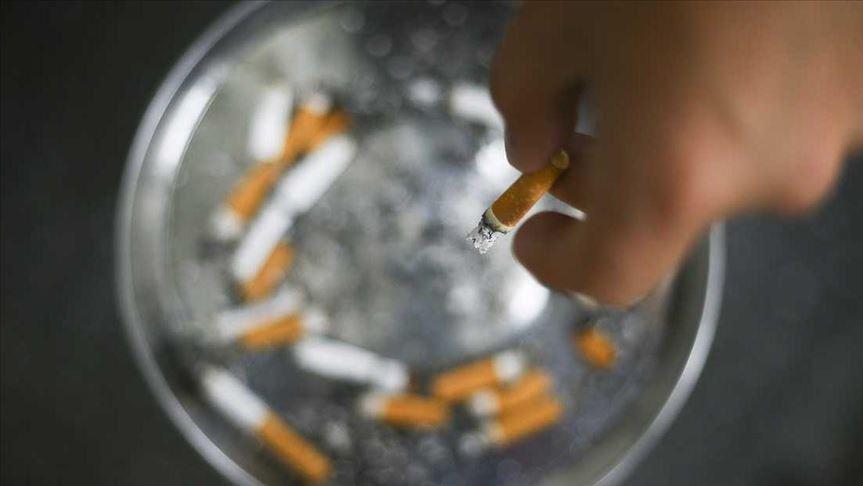
World No Tobacco Day is an international observance held annually on May 31, organized by the World Health Organization (WHO) to highlight the harms of tobacco products on human health, the environment and society. The day aims to create awareness to prevent tobacco use and encourage cessation.
World No Tobacco Day was first established in 1988. Its primary purpose is to bring attention to the negative health effects of tobacco products and promote public awareness regarding tobacco use. Today, the day is observed globally and in Türkiye through various events organized by institutions and organizations.
The main goal of World No Tobacco Day is to make the harms of tobacco products visible, encourage users to quit and foster a societal awareness of avoiding tobacco use. Its significance is linked to the fact that tobacco use causes millions of deaths worldwide each year and passive smoking also poses significant risks. Tobacco use leads to premature death in about half of its users, while passive smoking is estimated to account for over 1.2 million deaths annually. According to WHO data, more than 8 million people die each year from tobacco-related diseases.【1】
Nicotine is a highly addictive stimulant found in cigarettes and e-cigarette vapor. It can impair brain development up to age 25 and adversely affect brain regions responsible for attention, learning, mood and impulse control during adolescence. Nicotine addiction increases the risk of using other addictive substances in the future. New-generation tobacco products, including e-cigarettes and heated tobacco products, are often marketed toward youth. Despite claims of being harmless, these products produce toxic and carcinogenic emissions. The 2019 EVALI (e-cigarette and vaping use associated lung injury) cases in the U.S. highlighted the serious risks of e-cigarette use for lung health.
The tobacco industry targets youth to maintain profits and recruit new users. Young people are more susceptible to marketing tactics and are influenced by films, social media and peers. Historically, “light,” “slim,” and menthol cigarettes were used to reduce perceived harm, while modern strategies rely on e-cigarettes and heated tobacco products. Digital marketing and influencer promotions, combined with appealing flavors and flashy designs, increase the desirability of tobacco use among youth.
Every year on May 31, WHO campaigns aim to expose the deceptive tactics of the tobacco and nicotine industry. The theme for World No Tobacco Day 2025 is “Unmasking the Appeal,” focusing on deceptive marketing strategies targeting youth. Globally, 22,000 people die daily and over 8 million die annually from tobacco-related illnesses, with 7 million deaths directly attributable to tobacco use.【2】
In Türkiye, World No Tobacco Day is observed through awareness-raising activities targeting especially children and youth. These activities provide education on the harms of tobacco and nicotine products, as well as the tobacco industry's influence. Yeşilay emphasizes the message “Tobacco poisons us and our planet.” The environmental effects of tobacco cultivation, including annual water consumption and deforestation, are highlighted. The addictive nature of e-cigarettes is emphasized and education programs are implemented to protect youth from these products.
Various programs are implemented in Türkiye to combat tobacco addiction. The “Bırakabilirsin” mobile app offers goal setting, tracking triggers, daily tips and information on financial savings for those wishing to quit smoking. Yeşilay Counseling Centers and the 115 Advice Line provide free support and intervention programs for tobacco addiction. School-based preventive and strengthening programs educate millions of students and adults.
Tobacco use decreases quality of life and causes premature deaths. Passive smoking poses lethal risks to children and adults. Tobacco cultivation consumes 22 billion metric tons of water annually and results in the cutting of 600 million trees, creating significant environmental impacts. The tobacco industry negatively affects both human health and ecosystems.
Hongur, Andaç. “2012'den Bu Yana Tütün Kontrolünde Geriledik.” Anadolu Ajansı, August 29, 2019. Accessed October 25, 2025. https://www.aa.com.tr/tr/saglik/2012den-bu-yana-tutun-kontrolunde-geriledik/1560227
Sert Karaaslan, Yeşim. “DSÖ: 30'lu Yaşlarda Sigarayı Bırakanlarda Yaşam Süresi Yaklaşık 10 Yıl Artıyor.” Anadolu Ajansı, May 30, 2023. Accessed October 25, 2025. https://www.aa.com.tr/tr/saglik/dso-30lu-yaslarda-sigarayi-birakanlarda-yasam-suresi-yaklasik-10-yil-artiyor/2909792
T.C. Sağlık Bakanlığı Halk Sağlığı Genel Müdürlüğü Tütün ve Madde Bağımlılığı ile Mücadele Dairesi Başkanlığı. “31 Mayıs Dünya Tütünsüz Günü.” May 31, 2024. Accessed October 25, 2025. https://hsgm.saglik.gov.tr/tr/haberler-3/31-mayis-dunya-tutunsuz-gunu.html
Türkiye Solunum Araştırmaları Derneği (TÜSAD). “31 Mayıs 2025 Dünya Tütünsüz Günü Basın Bildirisi.” May 29, 2025. Accessed October 25, 2025. https://www.solunum.org.tr/haber/1862/31-mayis-2025-dunya-tutunsuz-gunu-basin-bildirisi.html
World Health Organization (WHO). “World No Tobacco Day 2025: Unmasking the Appeal.” May 31, 2025. Accessed October 25, 2025. https://www.who.int/europe/news-room/events/item/2025/05/31/default-calendar/world-no-tobacco-day-2025--unmasking-the-appeal
Yeşilay. “Yeşilay 31 Mayıs Dünya Tütünsüz Günü’nde Sigarasız Bir Yaşam Çağrısı Yaptı.” May 31, 2022. Accessed October 25, 2025. https://www.yesilay.org.tr/tr/haberler/yesilay-31-mayis-dunya-tutunsuz-gununde-sigarasiz-bir-yasam-cagrisi-yapti
[1]
Yeşilay. “Yeşilay 31 Mayıs Dünya Tütünsüz Günü’nde Sigarasız Bir Yaşam Çağrısı Yaptı.” May 31, 2022. Accessed October 25, 2025. https://www.yesilay.org.tr/tr/haberler/yesilay-31-mayis-dunya-tutunsuz-gununde-sigarasiz-bir-yasam-cagrisi-yapti
[2]
T.C. Sağlık Bakanlığı Halk Sağlığı Genel Müdürlüğü Tütün ve Madde Bağımlılığı ile Mücadele Dairesi Başkanlığı. “31 Mayıs Dünya Tütünsüz Günü.” May 31, 2024. Accessed October 25, 2025. https://hsgm.saglik.gov.tr/tr/haberler-3/31-mayis-dunya-tutunsuz-gunu.html

Date(s) | May 31 | ||||||||
|---|---|---|---|---|---|---|---|---|---|
Year of Declaration | 1988 | ||||||||
Celebrating Authority | World Health Organization (WHO) | ||||||||
Purpose(s) | To highlight the adverse health effects of tobacco use To strengthen global tobacco control policies To encourage the protection of youth from tobacco products To raise awareness about tobacco-free living in society To expose the harmful marketing strategies of the tobacco industry | ||||||||
No Discussion Added Yet
Start discussion for "World No Tobacco Day " article
History
Purpose and Importance
Harmful Effects of Tobacco and Nicotine
Tobacco Industry Strategies
Global Situation
World No Tobacco Day Activities in Türkiye
Tobacco Control and Support Programs
Social, Economic and Environmental Effects of Tobacco
This article was created with the support of artificial intelligence.