

This article was automatically translated from the original Turkish version.
+1 More
Located within the ancient city of Beçin Antik Kenti, which has been on UNESCO’s World Heritage Tentative List since 2012, is a historical place of worship in the Milas district of Muğla province.
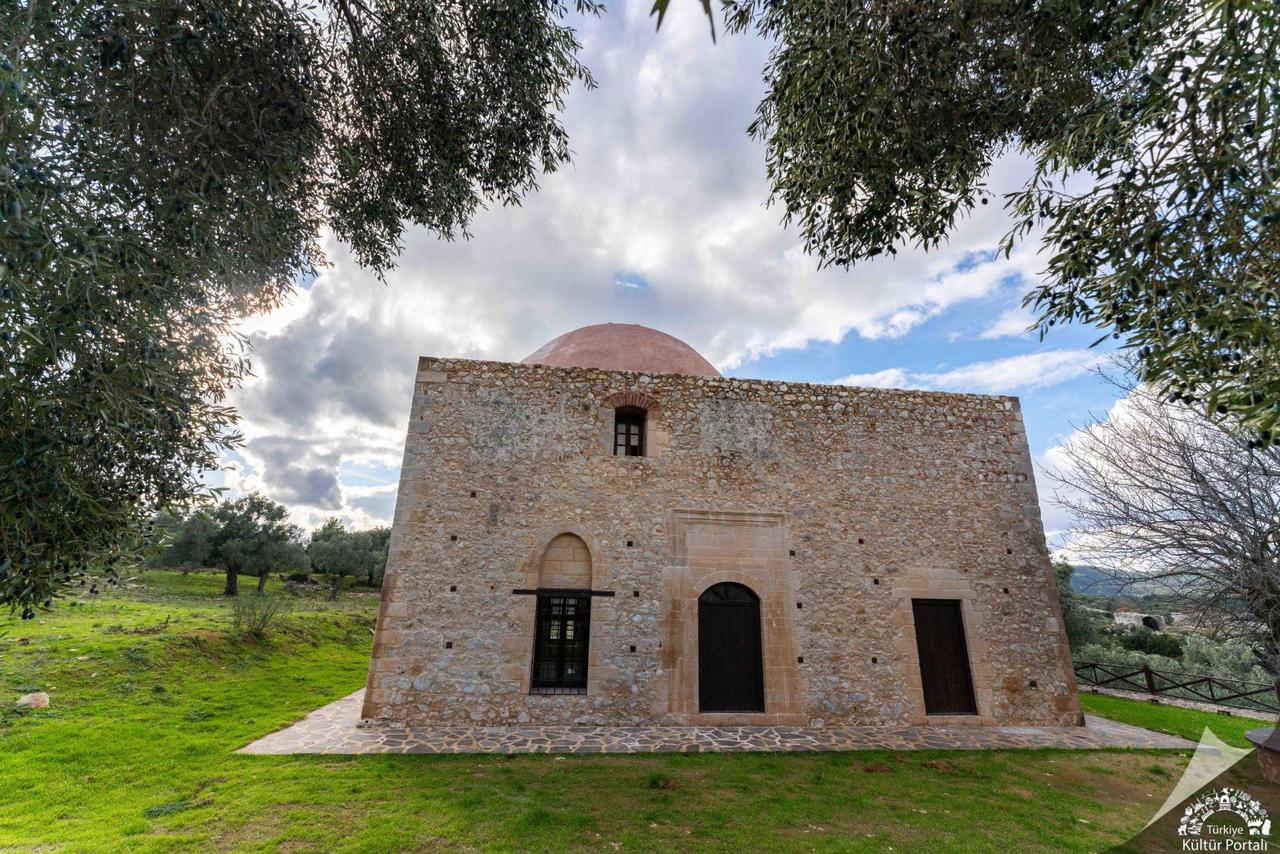
The mosque is situated at the Kepez site to the east of the ancient city and forms part of the Yelli Külliyesi, one of two külliyes constructed outside the city walls. Located approximately two kilometers from the urban center, this complex consists of a mosque, a medrese, and a hamam. It is believed to have been built in the late 14th century to meet the needs of a growing population and to establish a new residential quarter.
Yelli Camii comprises a square prayer hall with a single dome and a two-bay rear prayer area to the north. It is regarded as one of the small-scale yet structurally robust examples of 14th–15th century Anatolian Turkish architecture.
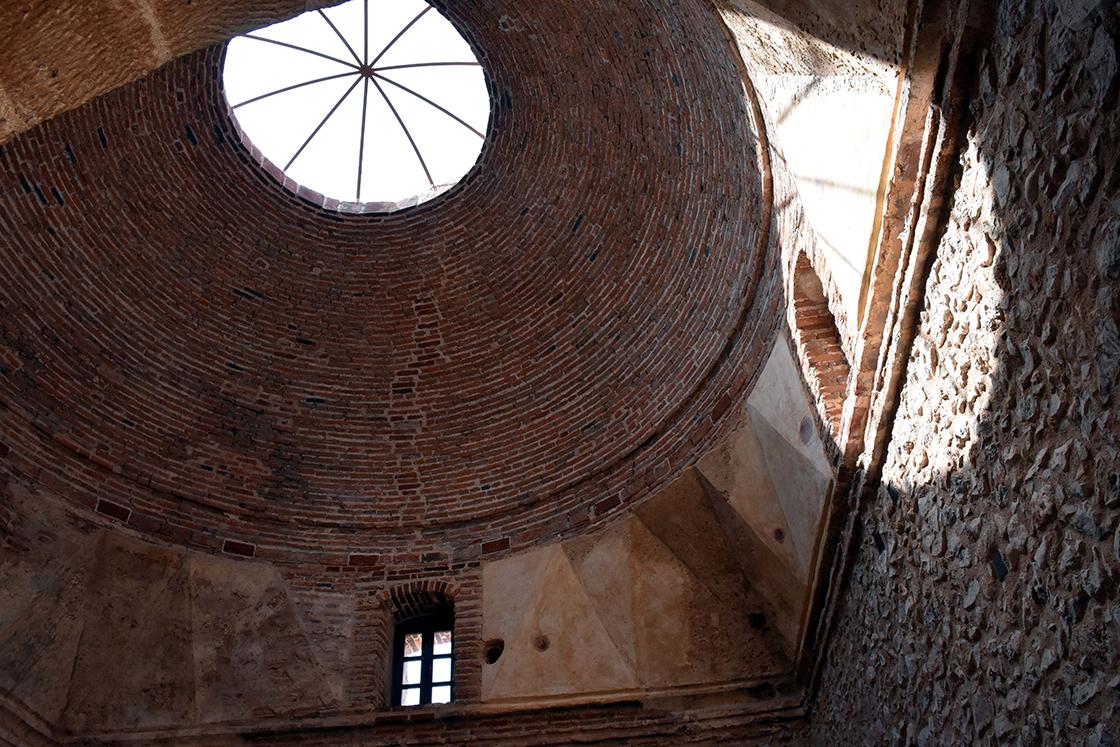
The main dome above the prayer hall (Anadolu Ajansı)
Caminin dome structure contains embedded fired clay pots (testiler), placed both to reduce structural load and to optimize interior acoustics. These elements were documented during restoration works while preserving their original forms and have been prepared for display.
According to academic studies, the mortars and plasters used in the structure contain high levels of calcium oxide (CaO) and silicon dioxide (SiO2). Mineralogically, the main components of the mortars are calcite and quartz, with minor amounts of mica, albite, and dolomite also detected. Analyses revealed that the plaster mortars exhibit hydraulic properties, whereas the wall masonry mortars do not. Furthermore, the compressive strength of the plaster mortars was found to be higher than that of the wall mortars.
Comprehensive excavation and restoration works initiated in 2012 gained momentum in 2017 with the approval of a detailed project.
Due to its location at the outermost edge of Beçin Antik Kenti and its authentic transmission of the architectural characteristics of its era, this structure holds critical importance in the history of Turkish architecture.

Geographical Location and Historical Context
Architectural Features and Plan Scheme
Technical Details and Acoustic Solutions
Material Analyses and Scientific Data
Excavation and Restoration Process