
badge icon

This article was automatically translated from the original Turkish version.

Article

Anamur Cape

Gastronomy

+2 More

Quote
56.jpg
Anamur Cape
Product Group
Processed and unprocessed fruitsvegetablesand mushrooms
Applicant/Registrant
Anamur Chamber of Commerce and Industry
Registration Date
09.07.2003
File Number
C2001/008
Registration Number
56
Place of Production
MersinTürkiye

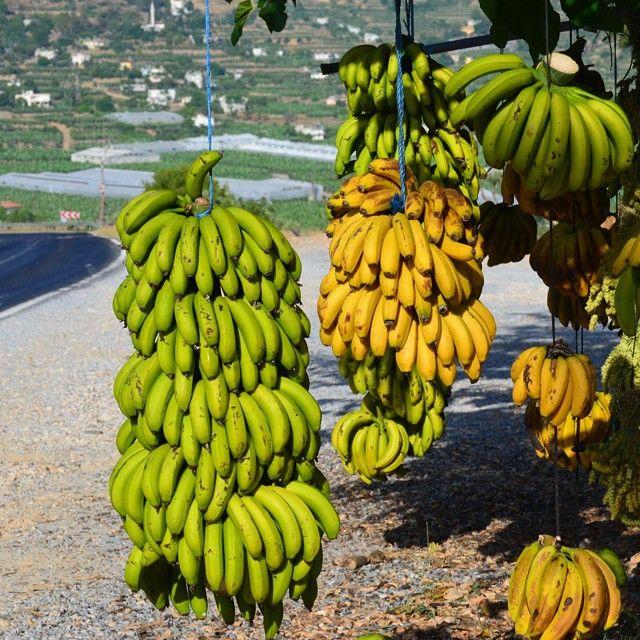
Anamur banana is a fruit crop belonging to the species Musa spp., cultivated within the geographical boundaries of the Anamur and Bozyazı districts of Mersin Province and the Gazipaşa and Alanya districts of Antalya Province in Türkiye. It has been officially registered as a “Place Name” by the Turkish Patent and Trademark Office and is protected under geographical indication status as announced in the Official Gazette dated 02.06.2002.
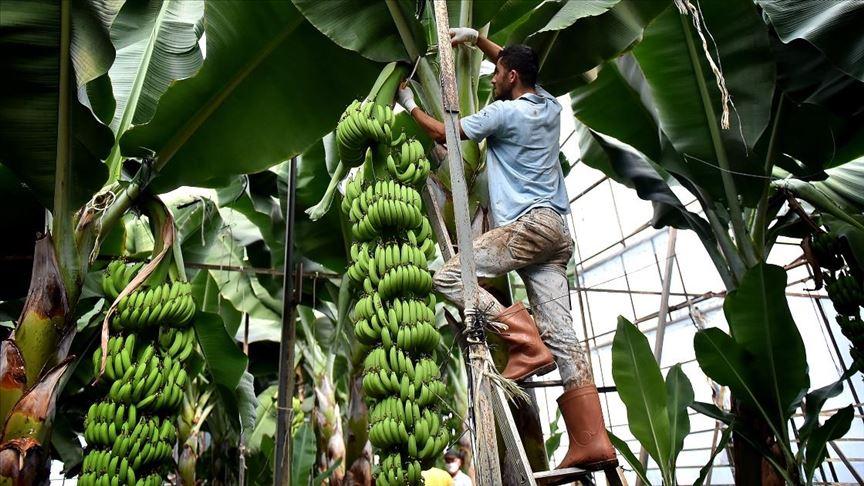

Banana Harvest (AA)

Product Description and Distinctive Characteristics

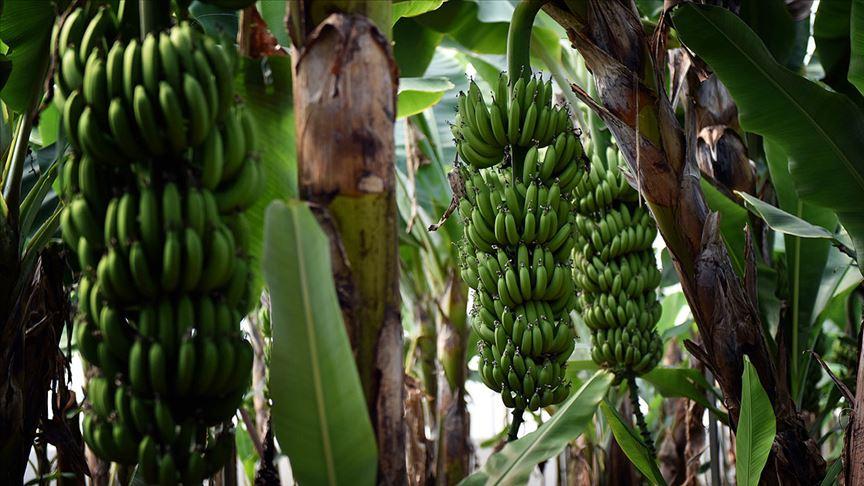
Anamur banana consists of clusters known as “hands.” Each stem must contain 9 to 15 hands to have commercial value. Each hand carries 10 to 35 individual fruits. Under suitable climatic conditions, the average weight of a stem ranges from 20 to 60 kg.

Fruit Characteristics

  • Shape: Pentagonal structure
  • Color: Green before ripening, yellow when ripe
  • Cuticle structure: The outer surface is covered by a thin, transparent, protective cuticle layer
  • Development period: 3–3.5 months under protected cultivation; 4–4.5 months under open-field cultivation

Chemical Composition (average values)

  • Water: 70–76 g
  • Total carbohydrates: 20–25 g
  • Reducing sugars: 4–11 g
  • Non-reducing sugars: 6–16 g
  • Starch: 3–7 g
  • Malic acid: 2.74 g
  • Pectin: 0.7–1.1 g
  • Protein: 0.5–1.5 g
  • Fat: 0.2–0.5 g
  • Ash: 0.7–0.8 g
  • Minerals: K, Mg, Na, P
  • Vitamins: A, B1, B2, B6, Bc, M, C


Distinctive characteristics include structural integrity of the fruits, cuticle quality, and the unique flavor profile developed under region-specific growing conditions.

Production Method

Plant Structure and Suckering

The banana plant propagates through rhizomes located underground. On average, 2–5 new suckers emerge from the main stem each season. During the period known as the “establishment phase” in February–March, only one or two suckers per mother plant are retained.
Cultivation Conditions

  • Cultivation is carried out both in open fields and under protected structures
  • Protected cultivation achieves higher yields through controlled temperature and humidity conditions
  • Optimum temperature: 30 °C
  • Optimum humidity: 60%
  • Temperatures below +2 °C during winter months may cause adverse effects


Anamur Banana (AA)

Irrigation and Fertilization

  • Irrigation methods: Flood, drip, and sprinkler
  • Soil preference: Soils rich in organic matter are preferred
  • Average nutrient uptake per hectare by the plant is as follows:
    • Nitrogen: 450 kg
    • Phosphorus: 60 kg
    • Potassium: 1500 kg
    • Calcium: 215 kg
    • Magnesium: 140 kg
    • Manganese: 12 kg
    • Iron: 5 kg
    • Zinc: 1.5 kg
    • Boron: 1.25 kg
    • Copper: 0.5 kg

Pollination

The plant is self-pollinating.

Diseases and Pests

  • Roots: Nematodes, rot
  • Leaves: Red spider mite
  • Fruits: Banana aphid, banana weevil

Harvest Period

  • Protected cultivation: Average 3.5–4 months
  • Harvest window: October to end of March

Geographical Boundary and Control

Geographical Boundary

  • Mersin Province: Anamur and Bozyazı districts and their villages
  • Antalya Province: Gazipaşa and Alanya districts and their villages

Author Information

Avatar
AuthorAli HakyolDecember 8, 2025 at 7:53 AM

Tags

Discussions

No Discussion Added Yet

Start discussion for "Anamur Cape" article

View Discussions

Contents

  • Product Description and Distinctive Characteristics

    • Fruit Characteristics

    • Chemical Composition (average values)

  • Production Method

    • Plant Structure and Suckering

    • Cultivation Conditions

    • Irrigation and Fertilization

    • Pollination

    • Diseases and Pests

    • Harvest Period

  • Geographical Boundary and Control

    • Geographical Boundary

Ask to Küre