

This article was automatically translated from the original Turkish version.
+1 More
Length(s) | 23.78 metres | ||||||||
|---|---|---|---|---|---|---|---|---|---|
Height(s) | 8.75 metres | ||||||||
Type(s) | Short Take-Off and Landing Aircraft (STOL) | ||||||||
First Flight(s) | 9 July 1976 | ||||||||
Takeoff Distance | 760 metres | ||||||||
Range (Max Fuel) | 2,500 km | ||||||||
Cruising Speed | 470 km/h | ||||||||
Maximum Speed | 530 km/h | ||||||||
Crew/Passenger Capacity | 3 crew + 50 troops or 42 paratroopers | ||||||||
Maximum Takeoff Weight (MTOW) | 27,000 kg | ||||||||
Wing Area | 74.98 square metres | ||||||||
Wingspan | 29.20 metres | ||||||||
Propeller | 4 palleys, AV-68D (5.10 m diameter) | ||||||||
Engine Type | 2 × Ivchenko Progress AI-20DM Turboprop | ||||||||
Design Bureau | Antonov Design Bureau (OKB-153) | ||||||||
Country of Origin | Soviet Union / Ukraine | ||||||||
NATO Report Name | Cline | ||||||||
Primary Users | Indian Air Force (largest user) Mexican Air Force Iraqi Air Force Peruvian Air Force Ukrainian Air Force | ||||||||
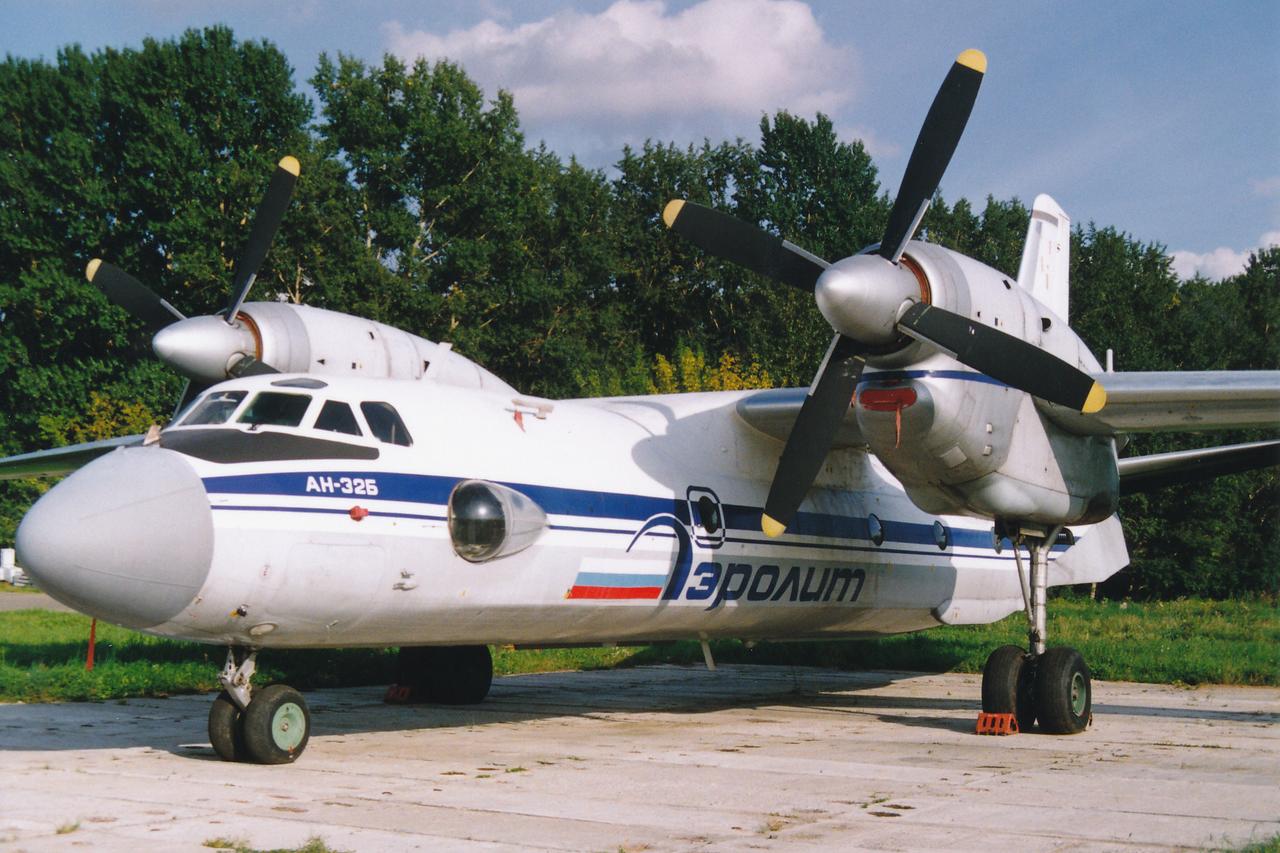
Antonov An-32 (NATO reporting name: Cline), is a twin-engine turboprop tactical transport aircraft developed by the Antonov Design Bureau during the Soviet era. Built primarily on the airframe of the Antonov An-26, it was specifically designed to enable takeoffs from high-altitude airfields and maintain operational efficiency in hot climate conditions. The aircraft’s most distinctive external feature is the placement of its engines above the wings; this design choice prevents foreign object damage (FOD) by keeping the engines away from ground debris and allows the use of larger-diameter propellers.
The aircraft’s airframe is reinforced with a rugged landing gear system suited for rough terrain and features a hydraulic ramp door at the rear to facilitate loading and unloading operations. The An-32 is equipped with Ivchenko AI-20 series engines delivering approximately 60 percent more power than its predecessor the An-26, enabling safe takeoffs from altitudes exceeding 4,500 meters. These technical attributes make it an ideal platform for military and civilian operators requiring logistical support in mountainous regions.【1】
The development of the Antonov An-32 was rooted in strategic defense cooperation between the Soviet Union and India in the late 1960s. The Indian Air Force (IAF) sought an aircraft capable of providing logistical support to high-altitude "Advanced Landing Grounds" (ALGs) along the Tibetan border. While existing Antonov An-26 aircraft performed well at sea level, they faced severe limitations in engine efficiency and payload capacity at airfields above 4,000 meters due to thin air. In response to this specific requirement, the Antonov Design Bureau began developing a derivative based on the An-26 airframe but with a radically enhanced propulsion system.【2】
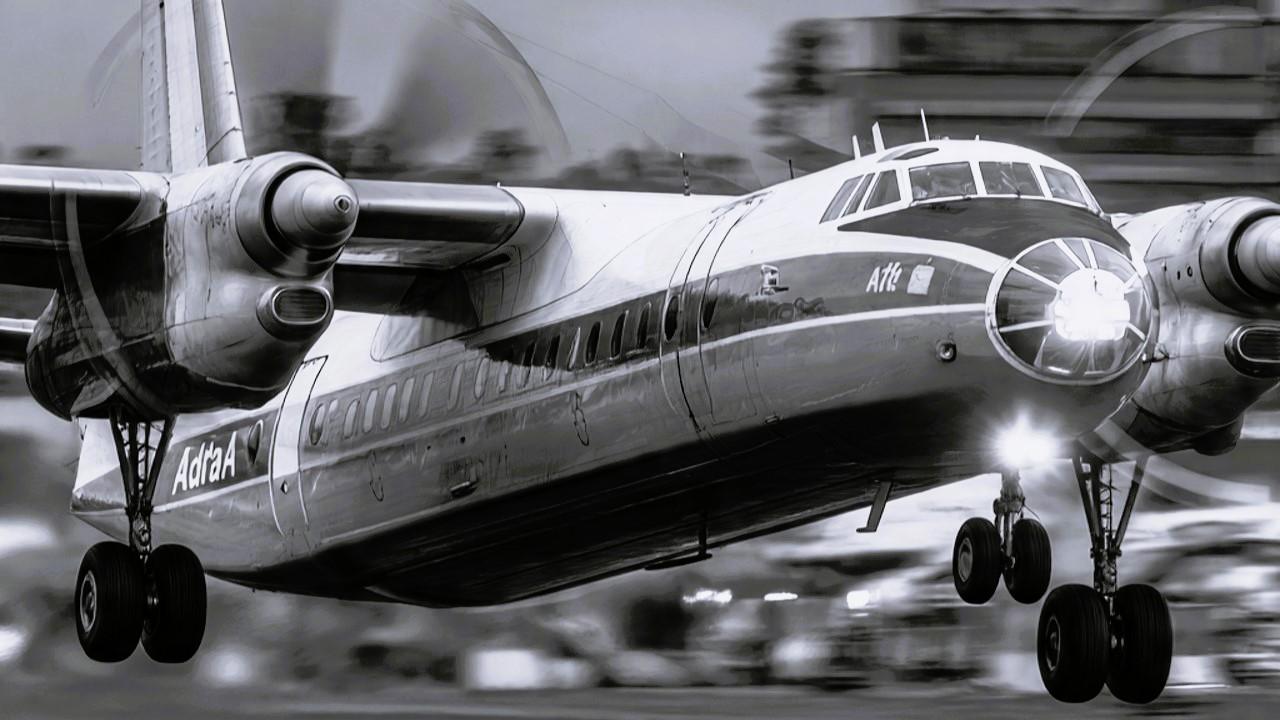
Antonov An-32 (Riik@mctr)
The most critical engineering decision in the An-32’s design was the placement of the Ivchenko AI-20DM turboprop engines above the wings. Whereas standard An-26 models mounted engines beneath the wings, relocating the engine pods above the wings provided several technical advantages. First, this configuration increased the distance between the propellers and the ground, enabling the use of massive four-bladed propellers with a 5.1-meter diameter. Second, the high-velocity airflow generated by the propellers passing over the upper wing surface created a Coanda-effect-like lift enhancement, allowing high lift generation even at low speeds. Third, elevating the engine air intakes reduced the risk of engine damage from dust and debris during takeoff and landing on unpaved or rough surfaces.【3】
Although the main airframe of the An-32 closely resembles that of the Antonov An-26, it incorporates significant structural reinforcements. The wing roots and landing gear mounts were strengthened to accommodate the increased maximum takeoff weight. The cargo compartment measures 15.7 meters in length and 2.3 meters in width and offers operational flexibility through a multifunctional rear ramp door. This ramp can be lowered to the ground during loading or retracted beneath the fuselage during aerial drops to facilitate paratrooper jumps or cargo pallet ejection. Additionally, an integrated winch system mounted on the cargo ceiling allows pallets weighing up to 3,000 kilograms to be loaded without external handling equipment.【4】
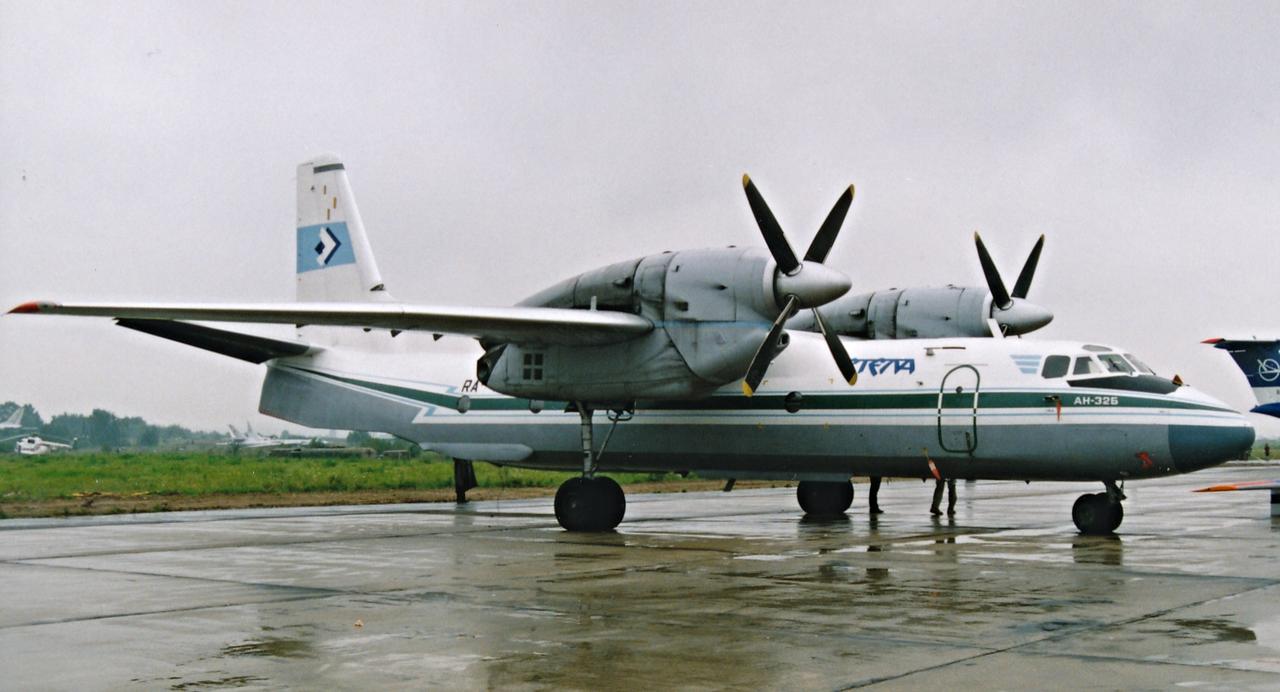
Antonov An-32 (Eric Johnston)
The first prototype of the aircraft made its maiden flight on 9 July 1976, followed by serial production in the early 1980s. During development, the aircraft’s climate control systems were redesigned to ensure crew and system survivability in extreme temperatures exceeding 50°C, particularly in regions such as India and Africa. The An-32B variant, developed over the years, replaced the standard model with more modern avionics and increased payload capacity. After 2010, the "An-32RE" (Re-equipped) modernization program was launched under agreements between Ukraine and India. This program aims to extend the aircraft’s operational life from 25 to 40 years, replace analog cockpit instruments with digital displays, and optimize engine fuel consumption.
The Antonov An-32 offers a compact yet high-capacity airframe design as a medium-range tactical transport aircraft. The aircraft has an overall length of 23.78 meters and a wingspan of 29.20 meters. The wing area is calculated at 74.98 square meters, providing a high lift coefficient that facilitates stable flight at low speeds. The height from the ground to the tip of the vertical stabilizer is 8.75 meters. The cargo compartment measures 15.73 meters in length including the ramp, 2.30 meters in width, and 1.84 meters in height, offering a total volume of 30 cubic meters. This space can accommodate 50 fully equipped military personnel or 42 paratroopers.【5】
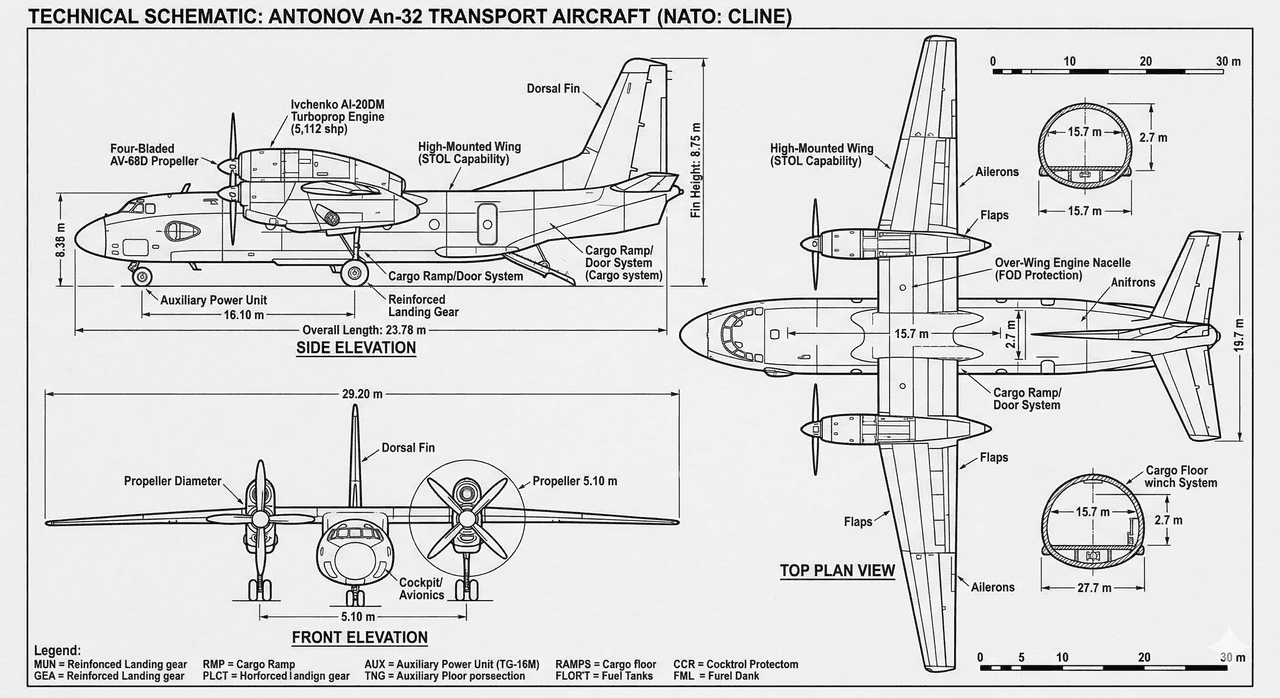
An-32 Technical Drawing (generated by AI)
The aircraft’s most distinctive technical component is a pair of Ivchenko Progress AI-20DM turboprop engines, each producing 5,112 horsepower (3,812 kW). These engines are optimized to deliver maximum torque at high altitudes where air density is low. Integrated with each engine are four-bladed AV-68D propellers with a 5.10-meter diameter, featuring variable-pitch capability and reverse-thrust functionality. This enables the aircraft to stop within a very short distance after landing. Additionally, a TG-16M auxiliary power unit (APU) mounted in the right engine nacelle provides electrical power and facilitates engine starts at high-altitude airfields without the need for the main engines to be running.【6】
The An-32 has a maximum takeoff weight of 27,000 kilograms and an empty weight of approximately 16,800 kilograms. It can operate at full capacity with a maximum payload of 6,700 kilograms. Cruise speed ranges between 460 and 530 kilometers per hour, with a maximum speed of 530 kilometers per hour. The service ceiling is set at 9,500 meters (31,165 feet), allowing the aircraft to fly safely below commercial jet routes. Range varies depending on payload; with maximum load, the range is 1,100 kilometers, but with a 5,000-kilogram payload and full fuel, it can extend to 2,500 kilometers.【7】
Designed for heavy-duty terrain operations, the An-32 is equipped with a retractable three-point landing gear system featuring low-pressure tires. The main landing gear units are twin-wheel assemblies that retract inward into fuselage-mounted bays. This structural choice enables the aircraft to absorb vertical shocks when landing on sandy, muddy, or snow-covered unpaved runways. In addition to hydraulic disc brakes, the nose wheel can swivel up to 45 degrees left or right to enhance maneuverability in confined areas.
Antonov An-32 FireKiller Variant (Antonov Company)
Since entering service in the 1980s, the Antonov An-32 has played an active role in numerous conflict zones. Its most extensive operational history has been with the Indian Air Force, which has deployed the aircraft to provide logistical resupply to extreme-altitude regions such as the Siachen Glacier along the borders with Pakistan and China. During the Soviet-Afghan War, the aircraft was used to transport troops and munitions across rugged mountainous terrain. Similarly, the Peruvian Air Force incorporated the An-32 into its inventory to support access to remote areas of the Amazon basin and to assist internal security operations.
Due to its low operating costs and ability to operate from austere runways, the An-32 has gained a wide user base. India, with over 100 aircraft, is the world’s largest operator of the An-32. In addition, air forces of Ukraine, Iraq, Sri Lanka, Bangladesh, Mexico, Peru, and Colombia use the aircraft as a primary tactical transport platform. In Africa, countries such as Angola, Ethiopia, and Sudan have leveraged the aircraft’s durability in both military and humanitarian operations. In the civil sector, the aircraft has been modified into fire-fighting variants (An-32P Firekiller) and is in service primarily in Russia and Ukraine.【8】
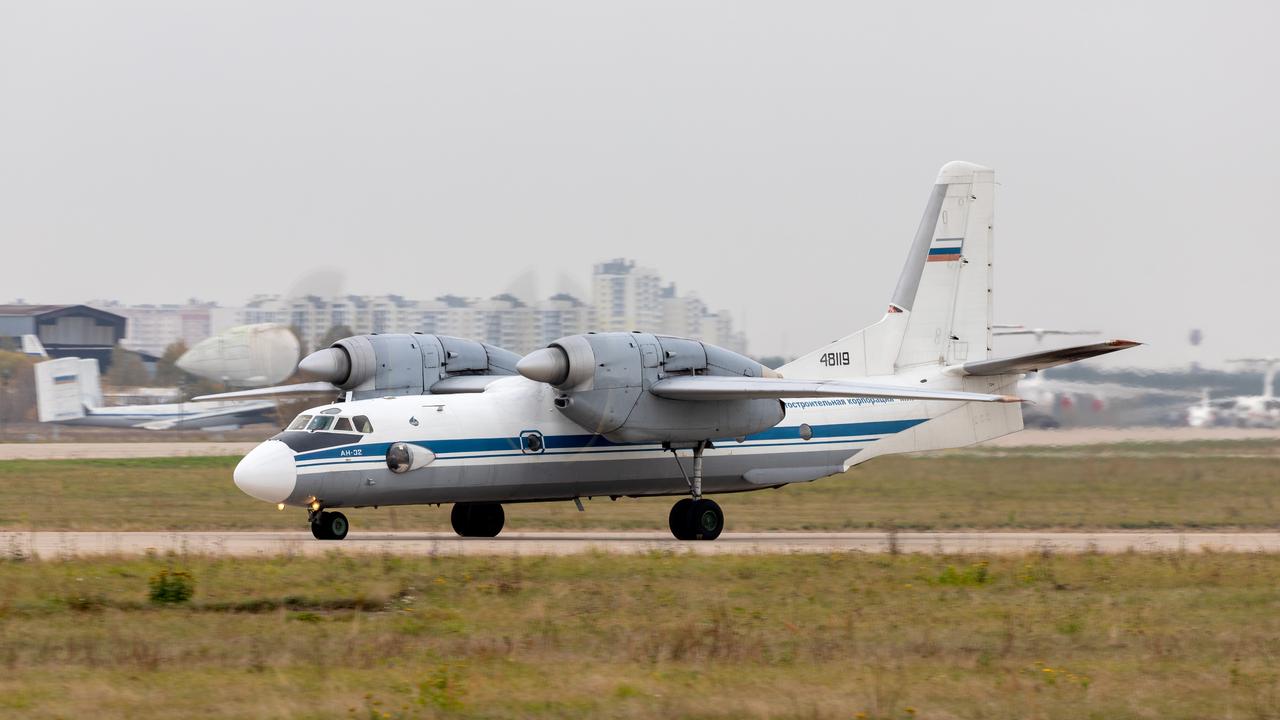
Antonov An-32A (John Smith)
Throughout its development, numerous specialized variants of the Antonov An-32 have been produced to meet diverse user requirements. The base model, An-32, is the standard production version. Its upgraded variant, An-32B, was developed specifically for civil and military cargo operations, featuring modernized loading systems and an increased maximum takeoff weight. The An-32B-200, produced exclusively for the Indian Air Force, is equipped with advanced engine components and structural improvements offering a longer operational life. Additionally, the civil variant, An-32A, leaves the factory equipped with avionics compliant with international civil aviation certification standards.
The most comprehensive upgrade program initiated in the late 2000s is the An-32RE (Re-equipped) modernization. This initiative was launched primarily to transition India’s An-32 fleet into the digital age. As part of the upgrade, the analog cockpit has been fully replaced with multifunctional digital displays (glass cockpit), and new systems including a Traffic Collision Avoidance System (TCAS), enhanced air radar, and AI-20 series engines with improved fuel efficiency (5–7 percent gain) have been integrated. These enhancements have extended the aircraft’s service life beyond the original design limits by 15 years, reaching a total of 40 years.【9】
As the world’s largest operator of the An-32 and the only air force regularly flying these aircraft through one of the planet’s most challenging air corridors—the Himalayas—India has recorded several critical accidents involving the model. On 9 June 2009, an Indian Air Force An-32 crashed into mountainous terrain shortly after takeoff from the Mechuka Advanced Landing Ground in Arunachal Pradesh, killing all 13 personnel on board. This accident once again highlighted the impact of volatile weather conditions and high-altitude navigation challenges on flight safety.【10】
One of the most notable recent incidents occurred on 3 June 2019. An An-32 that had taken off from Jorhat Air Base in Assam and was en route to the Mechuka airfield in Arunachal Pradesh lost radar contact approximately 33 minutes after takeoff. After an eight-day search operation through dense forest and steep mountainous terrain, the wreckage was located at an altitude of 3,600 meters. Investigations conducted by the Indian Ministry of Defence confirmed that the primary cause of the crash was controlled flight into terrain (CFIT), resulting from the pilots losing visual contact with the ground due to heavy cloud cover in the region.【11】
These losses played a decisive role in India’s decision to technologically modernize its An-32 fleet. Following the accidents, the An-32RE modernization program integrated dual-channel GPS (Global Positioning System), upgraded radio altimeters, next-generation air radars, and Terrain Awareness and Warning Systems (TAWS) into the aircraft. These hardware upgrades represent a mandatory engineering step aimed at enhancing flight safety in the extreme terrain conditions along India’s northern and northeastern borders.
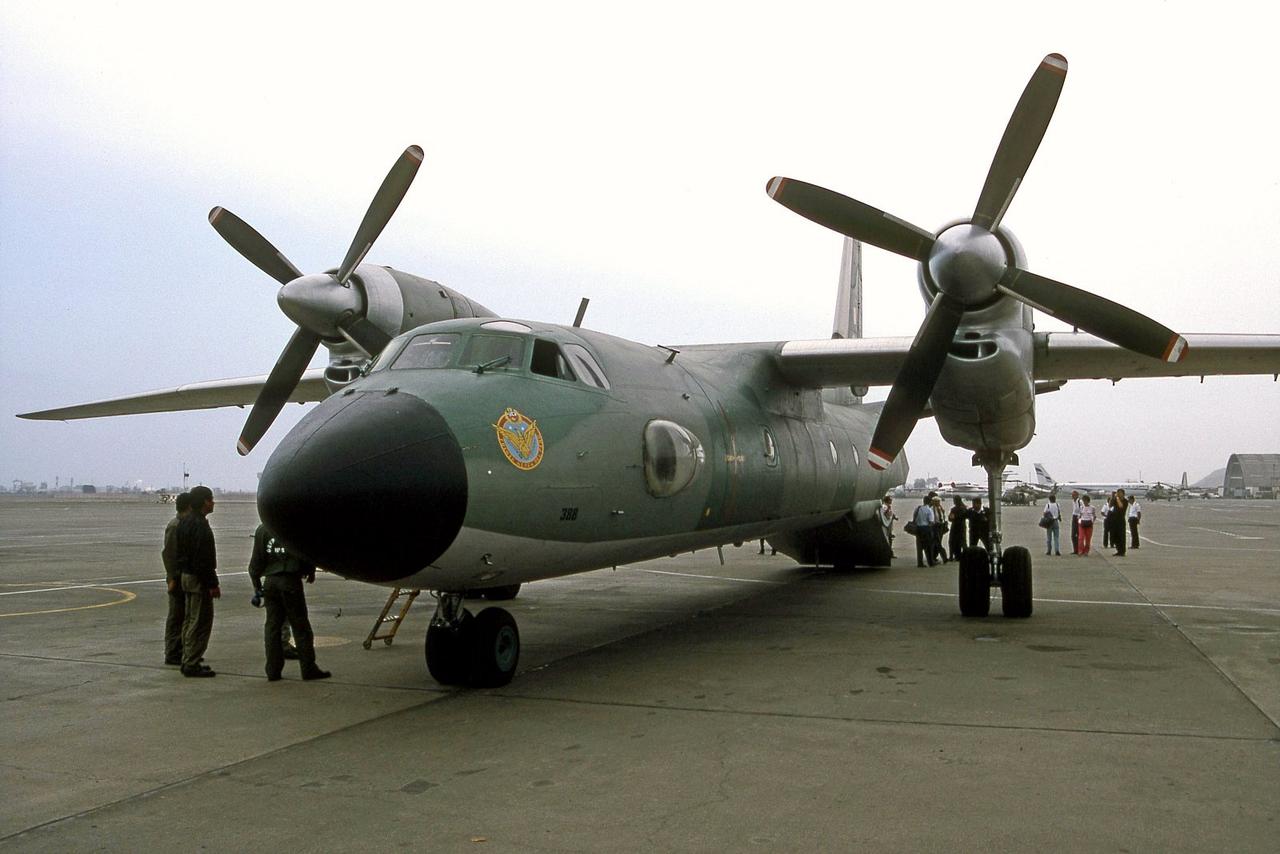
Antonov An-32 (Peter Garwood)
The Antonov An-32 is one of the rare aircraft platforms designed to fill a specific niche—high-altitude and hot-climate operations—and remained unmatched in this role for decades. In regions such as the Himalayas and the Andes, where conventional medium-range transport aircraft struggle with engine performance limitations, the An-32’s high power-to-weight ratio has ensured the sustainability of logistical chains. The most radical feature of its design—the wing-mounted engine placement—has become an important engineering reference for modern turboprop designs operating under extreme conditions.【12】
The aircraft stands as one of the most tangible examples of international cooperation sustained after the dissolution of the Soviet Union, involving both Ukraine (Antonov) and user nations—particularly India. Over its more than 40 years of service, the An-32 has demonstrated not only structural resilience but also reliability in critical humanitarian roles such as fire suppression and medical evacuation. Although it is gradually being replaced by quieter and more fuel-efficient jet-powered successors, the An-32’s defining characteristic—its ability to operate from any runway and at any altitude—continues to be recognized as a standard in tactical aviation doctrine.
The An-32 project represents one of the technical peaks of the Antonov Design Bureau’s transport aircraft lineage, which began with the An-12 and An-26. Its modernized variants (An-32RE) have served as a model for integrating digital avionics into classic airframe structures. While many countries plan to gradually replace their An-32 fleets with more modern platforms such as the Airbus C-295 or the Antonov An-178, the aircraft’s exceptional takeoff performance under extreme environmental conditions continues to secure its place in aviation literature.
Airforce Technology. "Antonov An-32 Light Multipurpose Transport Aircraft." Accessed March 18, 2026. https://www.airforce-technology.com/projects/an32-transport/
Antonov Company. "An-32 Firekiller." YouTube. Accessed March 18, 2026. https://www.youtube.com/watch?v=PzrRlPvAet0
Antonov Company. "An-32: Light Transport Aircraft." Accessed March 18, 2026. https://www.antonov.com/en/history/an-32
Bellota, Edwin. "Antonov An-32 - Fuerza Aérea Del Perú." Flickr, February 3, 2019. Accessed March 18, 2026. https://www.flickr.com/photos/7461580@N05/46087394455/
Bureau of Aircraft Accidents Archives. "Antonov AN-32." Accessed March 18, 2026. https://www.baaa-acro.com/aircraft/antonov-32
Bureau of Aircraft Accidents Archives. "Crash of an Antonov AN-32 in Tato: 13 Killed." June 9, 2009. Accessed March 18, 2026. https://www.baaa-acro.com/crash/crash-antonov-32-tato-13-killed
Garwood, Peter. "Antonov An-32 OB-1388/FAP 388, Lima, Peru Sep94." Flickr. September 1, 1994. Accessed March 18, 2026. https://www.flickr.com/photos/petermgarwood/52236236357/
Johnston, Eric. "Antonov AN-32_0390 Moscow Zhukovsky." Flickr. September 5, 2012. Accessed March 18, 2026. https://www.flickr.com/photos/32472258@N04/21710726056/
Johnston, Eric. "Antonov AN-32_0396 RA-26223 Aerolith----Moscow Tushino." Flickr. September 5, 2012. Accessed March 18, 2026. https://www.flickr.com/photos/32472258@N04/21548943248/
Ministry of Defence (India). "Indian Air Force AN-32 Aircraft Crash." Press Information Bureau. June 17, 2019. Accessed March 18, 2026. https://www.pib.gov.in/newsite/PrintRelease.aspx?relid=190454®=3&lang=2
Riik@mctr. "Antonov An-32 Touch Down Amderma." Flickr, December 3, 2025. Accessed March 18, 2026. https://www.flickr.com/photos/riikkeary/54961656535/
Skybrary Aviation Safety. "Antonov An-32 Sutlej." Accessed March 18, 2026. https://skybrary.aero/aircraft/an32
Smith, John. "Antonov An-32A 48119." Flickr. October 7, 2020. Accessed March 18, 2026. https://www.flickr.com/photos/194842566@N08/52811833658/
[1]
Antonov Company."An-32: Light Transport Aircraft". Antonov Company. erişim tarihi: 18 Mart 2026.https://www.antonov.com/en/history/an-32.
[2]
Antonov Company."An-32: Light Transport Aircraft". Antonov Company. erişim tarihi: 18 Mart 2026.https://www.antonov.com/en/history/an-32.
[3]
GlobalSecurity. "An-32 Cline".GlobalSecurity erişim tarihi: 18 Mart 2026.https://www.globalsecurity.org/military/world/russia/an-32-tech.htm.
[4]
GlobalSecurity. "An-32 Cline".GlobalSecurity erişim tarihi: 18 Mart 2026.https://www.globalsecurity.org/military/world/russia/an-32-tech.htm.
[5]
Airforce Technology. "Antonov An-32 Light Multipurpose Transport Aircraft."Airforce Technology. Erişim tarihi: 18 Mart 2026.https://www.airforce-technology.com/projects/an32-future/.
[6]
Antonov Company."An-32: Light Transport Aircraft". Antonov Company. erişim tarihi: 18 Mart 2026.https://www.antonov.com/en/history/an-32.
[7]
Antonov Company."An-32: Light Transport Aircraft". Antonov Company. erişim tarihi: 18 Mart 2026.https://www.antonov.com/en/history/an-32.
[8]
GlobalSecurity. "An-32 Cline".GlobalSecurity erişim tarihi: 18 Mart 2026.https://www.globalsecurity.org/military/world/russia/an-32-tech.htm.
[9]
Skybrary Aviation Safety. "Antonov An-32 Sutlej." Erişim tarihi 18 Mart 2026.https://skybrary.aero/aircraft/an32.
[10]
Bureau of Aircraft Accidents Archives. "Crash of an Antonov AN-32 in Tato: 13 Killed." 9 Haziran 2009. Erişim tarihi 18 Mart 2026.https://www.baaa-acro.com/crash/crash-antonov-32-tato-13-killed.
[11]
Ministry of Defence (India). "Indian Air Force AN-32 Aircraft Crash." Press Information Bureau. 17 Haziran 2019. Erişim tarihi 18 Mart 2026.https://www.pib.gov.in/newsite/PrintRelease.aspx?relid=190454®=3&lang=2.
[12]
Airforce Technology. "Antonov An-32 Light Multipurpose Transport Aircraft."Airforce Technology. Erişim tarihi: 18 Mart 2026.https://www.airforce-technology.com/projects/an32-future/.

Length(s) | 23.78 metres | ||||||||
|---|---|---|---|---|---|---|---|---|---|
Height(s) | 8.75 metres | ||||||||
Type(s) | Short Take-Off and Landing Aircraft (STOL) | ||||||||
First Flight(s) | 9 July 1976 | ||||||||
Takeoff Distance | 760 metres | ||||||||
Range (Max Fuel) | 2,500 km | ||||||||
Cruising Speed | 470 km/h | ||||||||
Maximum Speed | 530 km/h | ||||||||
Crew/Passenger Capacity | 3 crew + 50 troops or 42 paratroopers | ||||||||
Maximum Takeoff Weight (MTOW) | 27,000 kg | ||||||||
Wing Area | 74.98 square metres | ||||||||
Wingspan | 29.20 metres | ||||||||
Propeller | 4 palleys, AV-68D (5.10 m diameter) | ||||||||
Engine Type | 2 × Ivchenko Progress AI-20DM Turboprop | ||||||||
Design Bureau | Antonov Design Bureau (OKB-153) | ||||||||
Country of Origin | Soviet Union / Ukraine | ||||||||
NATO Report Name | Cline | ||||||||
Primary Users | Indian Air Force (largest user) Mexican Air Force Iraqi Air Force Peruvian Air Force Ukrainian Air Force | ||||||||
Design and Development
Conceptual Origins and the India Project
Aerodynamic Structure and Engine Placement
Airframe and Cargo Compartment Optimization
Technical Modernization and Variant Development
Technical Specifications
Dimensions and Airframe Structure
Propulsion System and Engine Performance
Performance Data and Operational Limits
Landing Gear and Braking Systems
Operational History and Users
Military Service and Combat Experience
Global User Profile
Variants and Modifications
Basic Transport and Military Versions
Modernization Programs (An-32RE)
Significant Accidents in Indian Operations
Place and Significance in Aviation History
Role in High-Altitude Operations
Soviet Engineering Legacy and Future
Technological Impact and Retirement Process