
This article was automatically translated from the original Turkish version.
+2 More
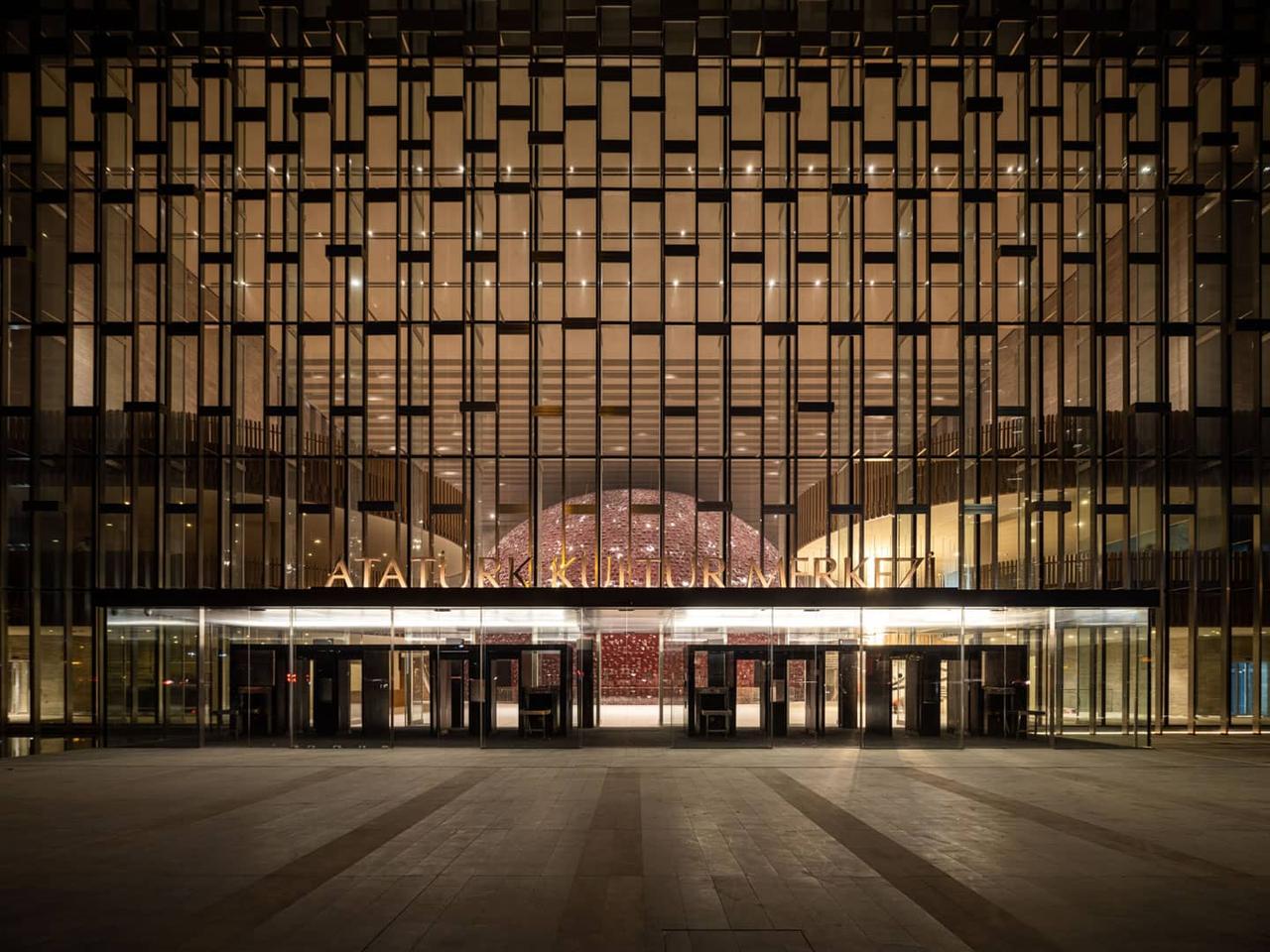
The Atatürk Cultural Center (AKM), located on Taksim Square in the Beyoğlu district of Istanbul, is regarded as one of the primary structures where the institutional development of performing arts in Türkiye and the spatial manifestation of cultural policies have been concretized【1】. The building, which hosts opera, ballet, theater, concerts, exhibitions, and interdisciplinary events, embodies one of the representative domains of Republican-era cultural policies when examined in terms of its architectural features, historical continuity, and urban context【2】. Since its reopening in 2021 with an intensive program of activities, AKM has become a cultural center attracting hundreds of thousands of visitors【3】.
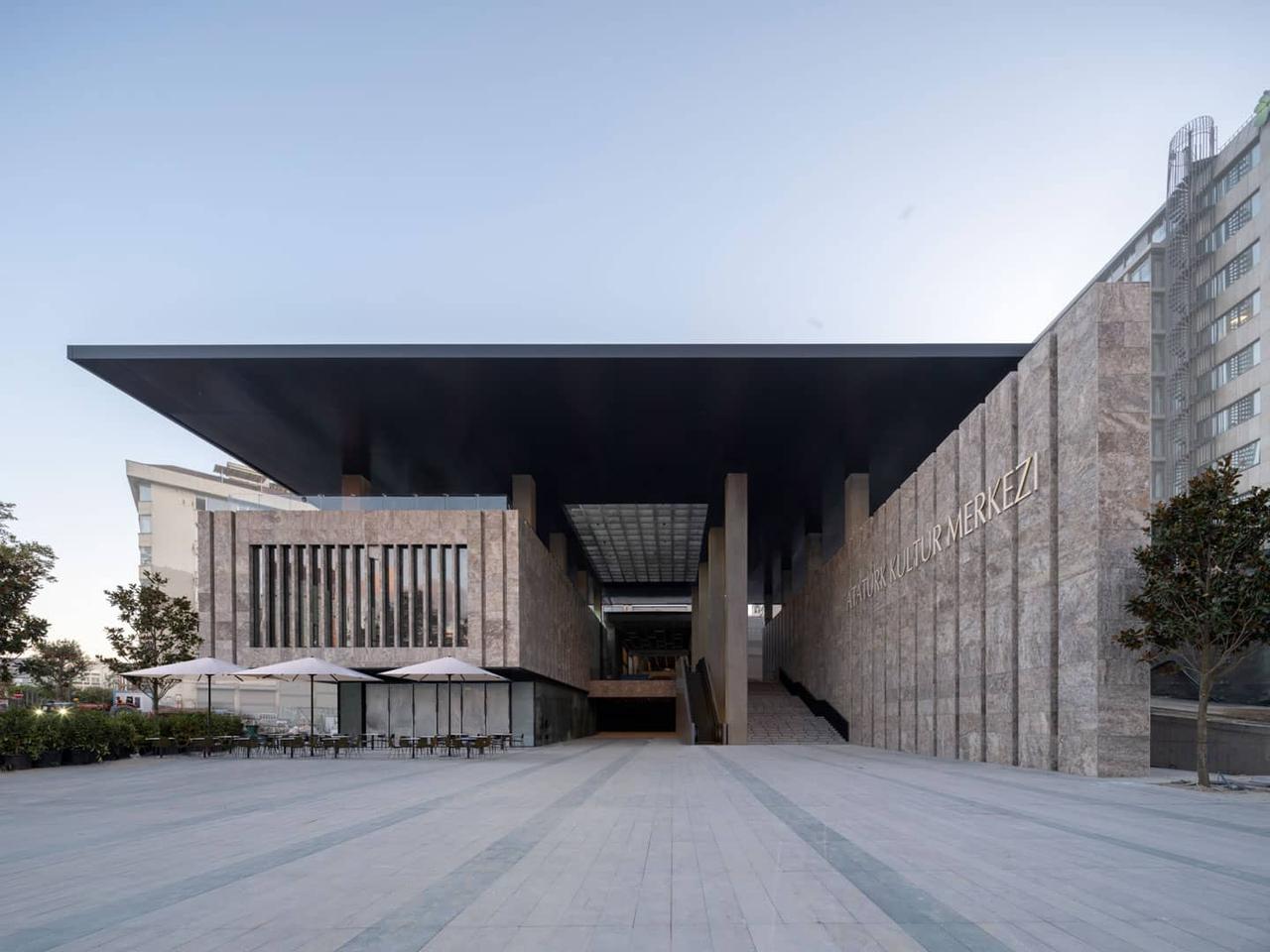
Atatürk Kültür Merkezi, İstanbul (AKM)
The emergence of AKM is directly linked to the institutionalization of performing arts and the establishment of a modern cultural infrastructure in Türkiye 【4】. The original structure was designed according to modernist architectural principles, emphasizing functionality, transparency, and public accessibility. During this period, AKM functioned as one of the main venues for the performance of opera, ballet, and theater.
A fire shortly after its opening caused significant damage to the building, necessitating its reconstruction【5】. During this process, the building was reimagined while preserving the core characteristics of its earlier architectural approach, with enhancements to its technical infrastructure and stage equipment.
After falling out of use in the early 2000s, AKM remained closed for an extended period, sparking debates around the preservation of architectural heritage, urban identity, and cultural representation【6】. During this time, the building was viewed not merely as a physical cultural complex but also as an urban structure embedded in Istanbul’s spatial memory.
Following a comprehensive reconstruction process, AKM reopened in 2021. This process is understood not only as the physical rebuilding of the structure but also as a reevaluation of its existing architectural heritage in light of contemporary architectural and functional requirements. The new structure was designed with an approach that preserves the symbolic qualities of the original while meeting modern technical demands. The events held after its reopening and the high visitor turnout demonstrate that the building has regained its role as an active cultural center. This period can be distinguished within the building’s historical development as a process of refunctionalization.
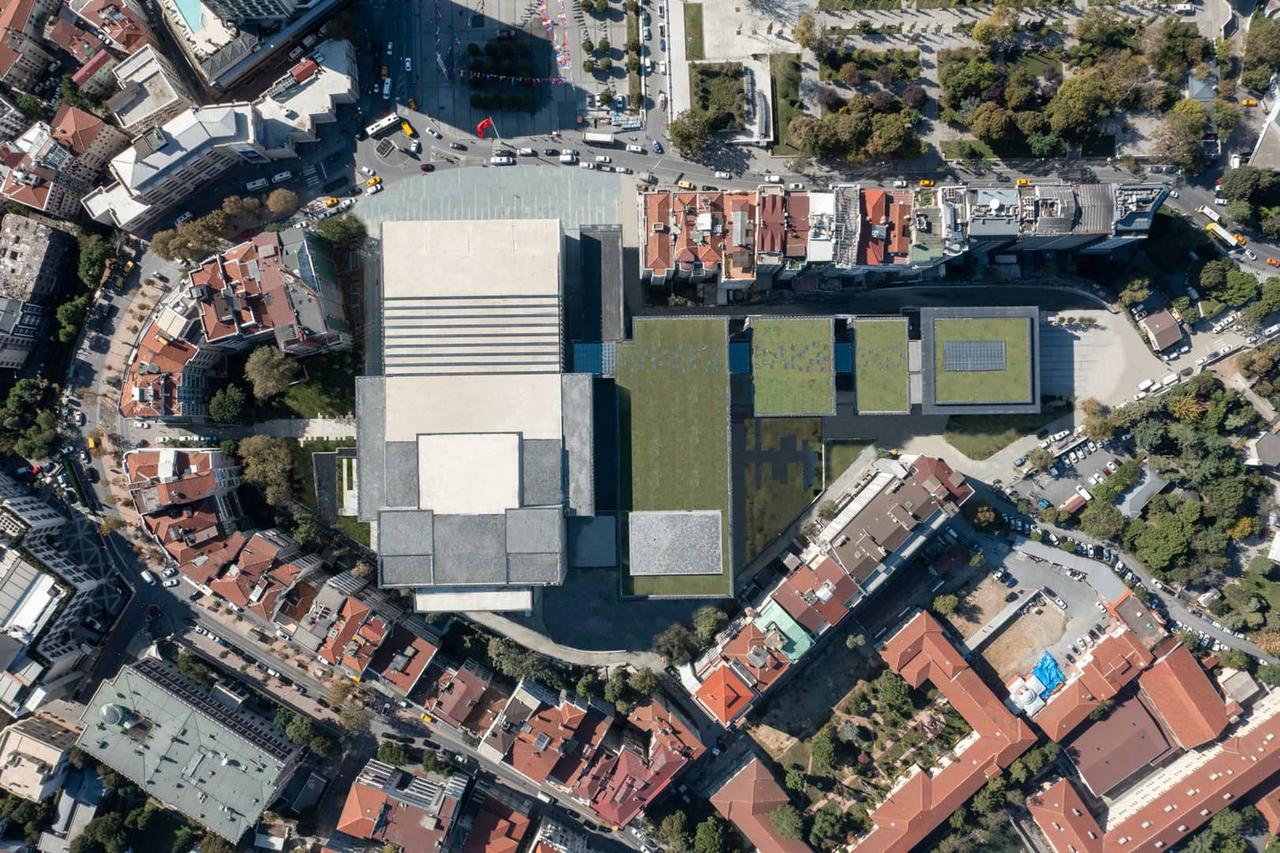
Atatürk Kültür Merkezi, üstten görünüm (AKM)
The reconstruction of AKM took shape following the initiation of planning efforts aimed at reactivating the building after its prolonged period of disuse【7】. During this phase, the goal was to preserve the building’s spatial and visual relationship with Taksim Square in its redesign.
Within the project framework, the representative presence of the original structure in the urban skyline was taken into account, while its spatial organization, user capacity, and technical infrastructure were reconfigured to meet contemporary requirements. In this context, halls, circulation spaces, and public areas supporting multifunctional usage scenarios were addressed through a holistic design approach.
During reconstruction, elements such as stage technologies, acoustic solutions, and spatial flexibility were prioritized, resulting in a cultural complex equipped with technical infrastructure capable of serving multiple artistic disciplines. This approach aims to sustain the building’s original functional identity while responding to current cultural production needs.
In this context, the project process is regarded as a process of reinterpretation seeking to balance historical continuity with contemporary architectural and functional transformation【8】.
The original structure of AKM is among the early examples of modernist architecture in Türkiye and exhibits certain Brutalist characteristics【9】. The visible expression of the reinforced concrete structural system reveals how structural integrity was integrated into the architectural language. The extensive glass surfaces on the façade create visual continuity between interior and exterior spaces. The Brutalist approach is characterized by the direct use of materials and the elimination of decorative elements from surfaces.
The new AKM, opened in 2021, was designed in accordance with principles of multifunctionality, flexibility, and public accessibility【10】. The building is conceived as a permeable urban interface; open and semi-open spaces at ground level ensure continuous public access. Foyers and circulation axes are organized as key spatial elements connecting diverse functions.
The new AKM employs a hybrid structural system combining reinforced concrete and steel components. Column-free solutions have been preferred in spaces requiring large spans. The structural system has been directly integrated with the spatial organization.
The building’s plan layout has been organized to enable the simultaneous use of multiple functions. The main entrance axis opens into foyer areas, which channel circulation toward the performance halls. Vertical and horizontal circulation elements have been planned to regulate user movement.
Modern construction materials such as concrete, glass, and metal have been used in AKM. In the new structure, surface treatments aimed at enhancing acoustic performance have been additionally applied. Glass surfaces allow natural light to enter the interior spaces.
The halls within AKM are equipped with advanced technical infrastructure for stage technologies and acoustic arrangements. Stage mechanics, lighting systems, and sound infrastructure have been designed to meet performance requirements. Acoustic configurations vary according to the intended use of each hall.
AKM is regarded as a structure associated with concepts of representation and identity within architectural theory【11】. It is viewed as one of the spatial manifestations of the modernization process during the Republican era.
Due to its location on Taksim Square, AKM holds a significant place in Istanbul’s urban memory. The building is examined within a framework of continuity and transformation, reflecting its functional changes across different periods. In this context, AKM is recognized as one of the key examples studied in spatial memory research【12】.
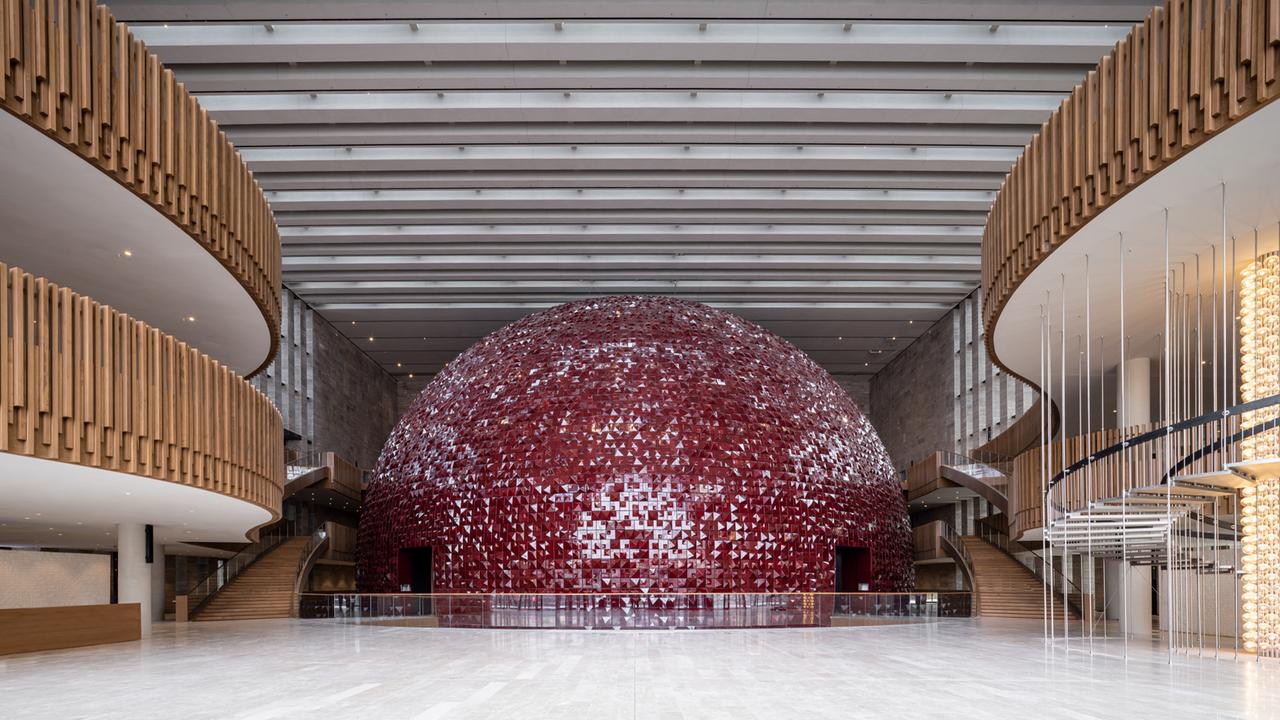
Türk Telekom Opera Salonu (AKM)
AKM is a cultural complex comprising numerous halls and spaces designed at varying scales and for diverse functions. This spatial diversity has been structured to respond to the needs of performing arts, visual arts, and interdisciplinary events.
The main spaces within the complex include:
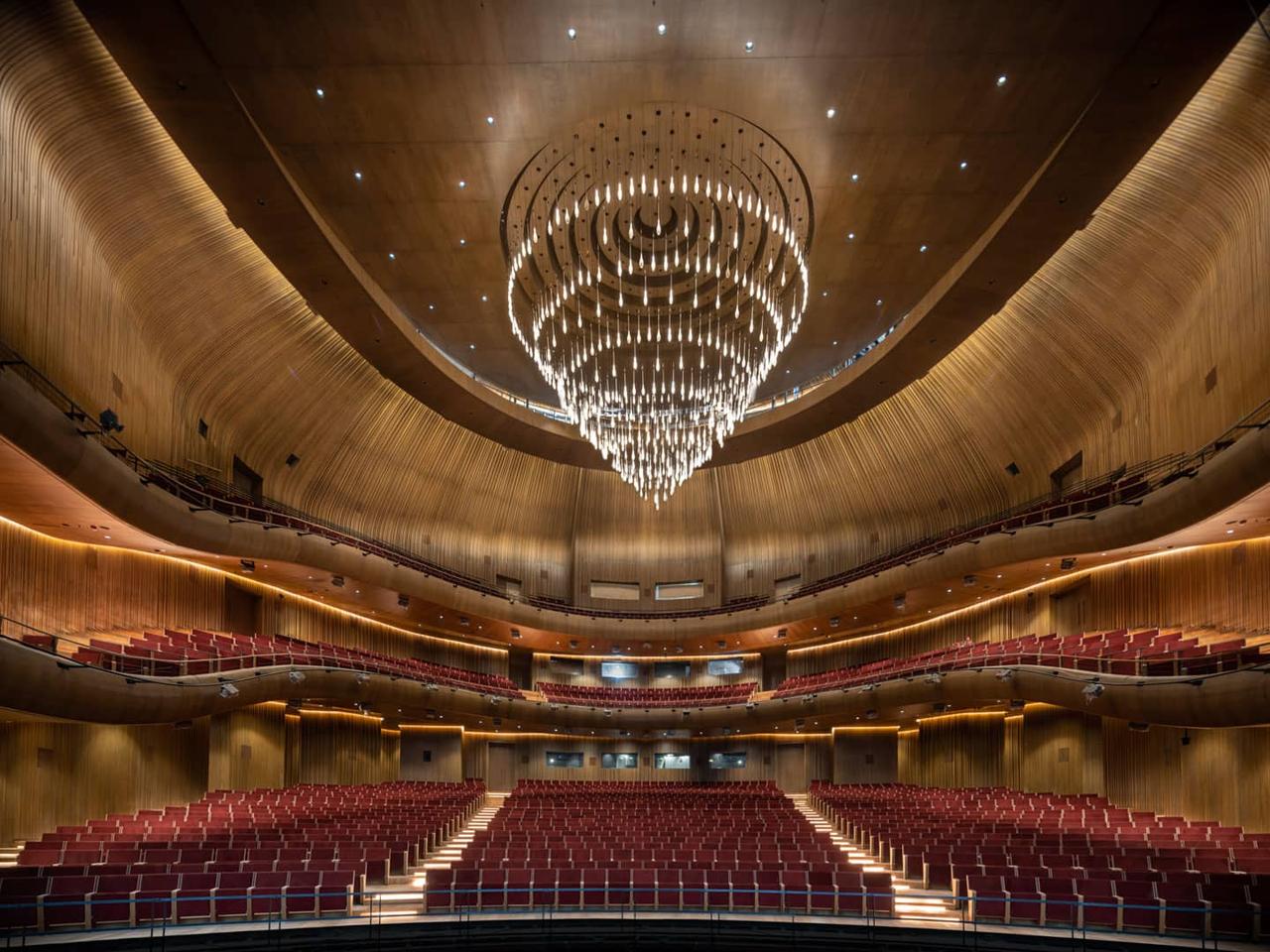
Türk Telekom Opera Salonu (AKM)
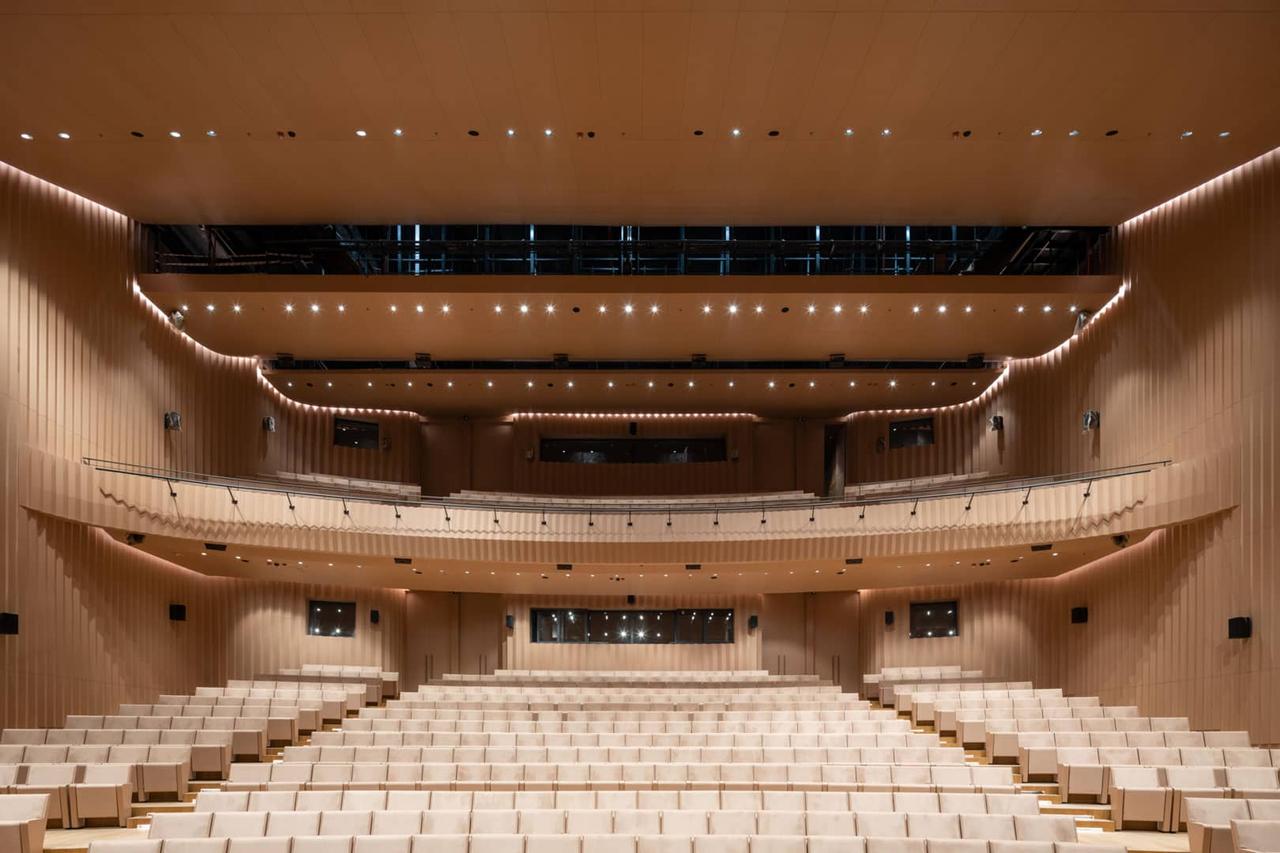
AKM Tiyatro Salonu (AKM)
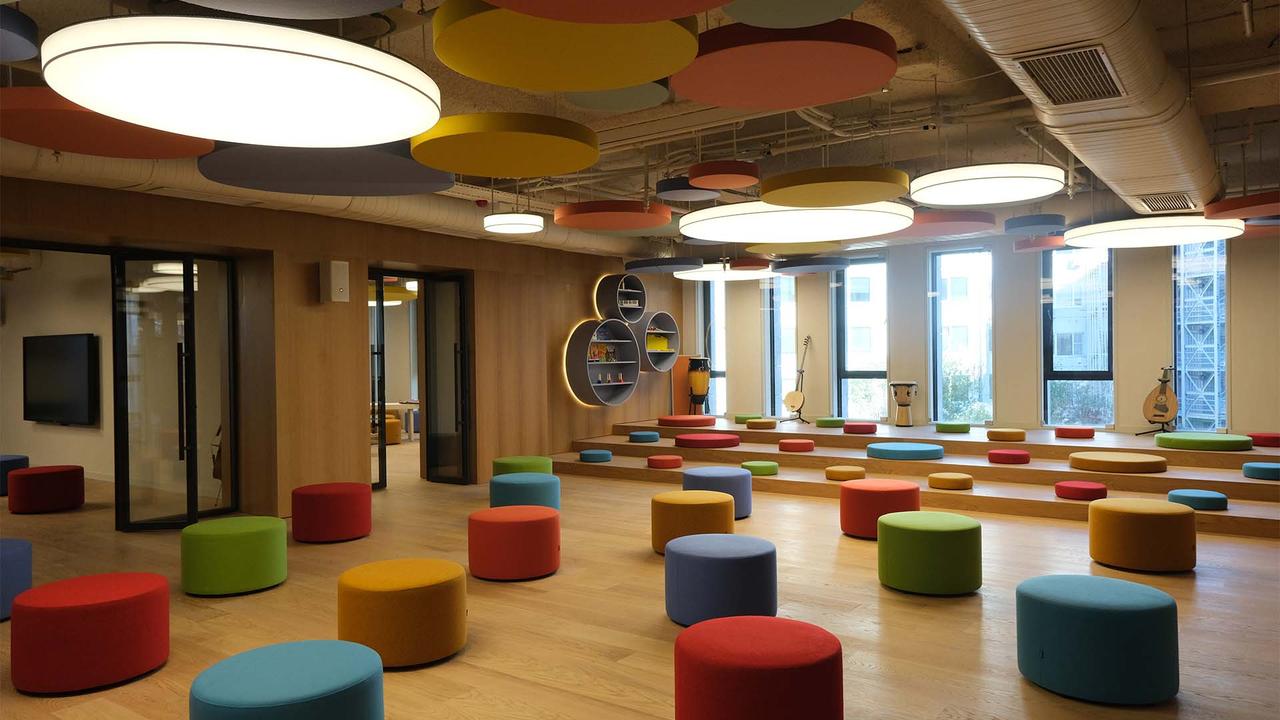
AKM Çocuk Sanat Merkezi (AKM)
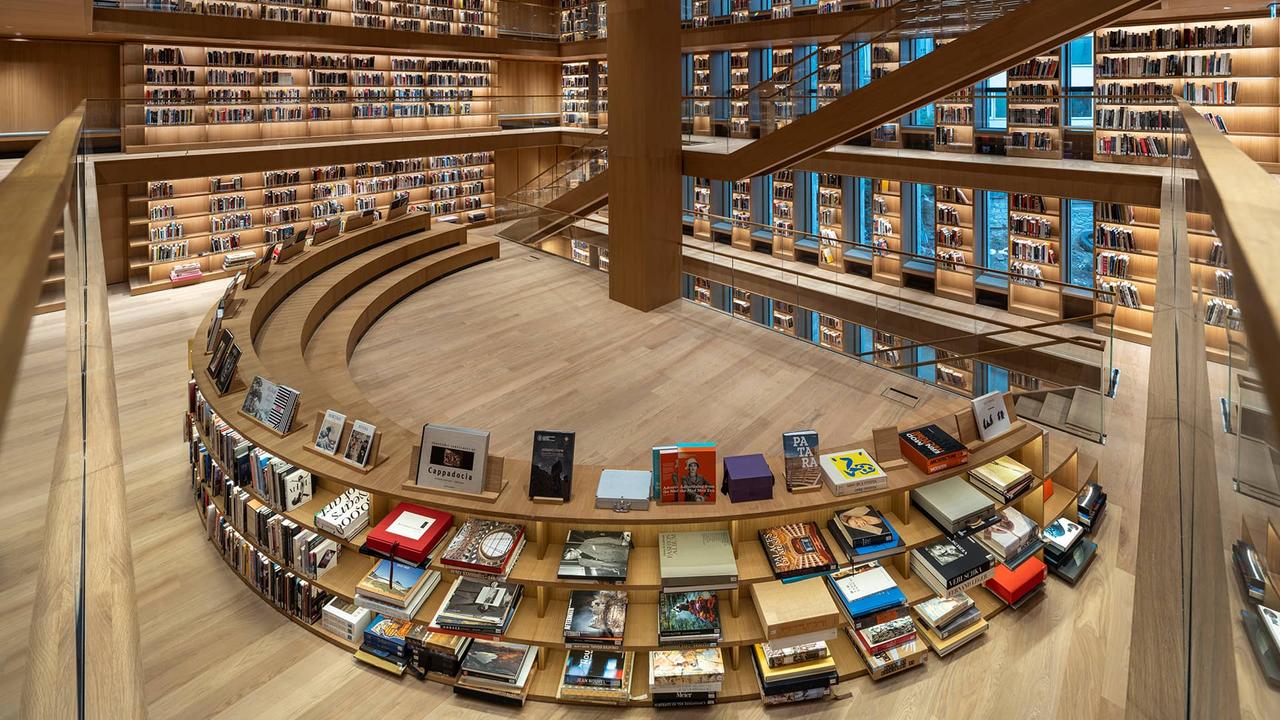
AKM Kütüphanesi (AKM)
All these spaces have been designed in accordance with contemporary standards for acoustic performance, technical infrastructure, and user experience, creating a holistic spatial organization that enables the simultaneous execution of diverse events.
Events held at AKM encompass opera, ballet, theater, concerts, exhibitions, and interdisciplinary artistic productions.
AKM plays a significant role in Istanbul’s cultural calendar by hosting national and international festivals.
The exhibition areas within the complex provide venues for showcasing artistic productions across various disciplines.
Culture Street is one of the public circulation areas within the AKM complex. It is organized with food and beverage units, bookstores, and cultural spaces. As a circulation axis connecting diverse functions within the complex, Culture Street serves as a vital link between its various components.
AKM is managed by an institutional structure responsible for planning and executing cultural and artistic activities【14】. Programming processes are organized to encompass multiple artistic disciplines. The institutional framework covers administrative and operational procedures for organizing and implementing events.
Since its reopening in 2021, AKM has become a cultural center attracting hundreds of thousands of visitors and drawing attention through its intensive program of activities【15】. This underscores its regained central role in Istanbul’s cultural life.
When evaluated in terms of its architectural features, historical continuity, and cultural functions, AKM is recognized as a significant representative space for modern cultural policies and urban cultural production in Türkiye.
[1]
AKM İstanbul. “Atatürk Kültür Merkezi.” Erişim tarihi 4 Mayıs 2026.https://akmistanbul.gov.tr/tr/hakkimizda
[2]
Öncel, Fernaz. “Cumhuriyetin Yüzüncü Yılında Mimarlıkta Temsiliyetin Atatürk Kültür Merkezi Üzerinden Değerlendirilmesi.” Kent Akademisi Dergisi 16 (2023): 469–479. Erişim tarihi 4 Mayıs 2026. https://dergipark.org.tr/tr/download/article-file/3375852
[3]
Anadolu Ajansı. “İstanbul’un Kalbindeki AKM Açıldığı Günden Bu Yana Yüzbinlerce Sanatseveri Ağırladı.” Erişim tarihi 4 Mayıs 2026. https://www.aa.com.tr/tr/kultur/istanbulun-kalbindeki-akm-acildigi-gunden-bu-yana-yuzbinlerce-sanatseveri-agirladi/3728465
[4]
Öncel, Fernaz. “Cumhuriyetin Yüzüncü Yılında Mimarlıkta Temsiliyetin Atatürk Kültür Merkezi Üzerinden Değerlendirilmesi.” Kent Akademisi Dergisi 16 (2023): 469–479. Erişim tarihi 4 Mayıs 2026. https://dergipark.org.tr/tr/download/article-file/3375852
[5]
Atılgan, Durnev. İnşa Halinde Bir Mit: AKM İstanbul. İstanbul: Bahçeşehir Üniversitesi Yayınları, 2018. Erişim tarihi 4 Mayıs 2026. https://www.academia.edu/37786290/%C4%B0N%C5%9EA_HAL%C4%B0NDE_B%C4%B0R_M%C4%B0T_AKM_%C4%B0STANBUL
[6]
Ganiç, Kerem. Kentsel Yapıtlar Üzerinden Bir Mekânsal Bellek Okuması: Atatürk Kültür Merkezi. Yüksek Lisans Tezi, İstanbul Teknik Üniversitesi, 2016. Erişim tarihi 4 Mayıs 2026. https://polen.itu.edu.tr/server/api/core/bitstreams/d3330658-cf40-4bf8-a3aa-9d65c6527b0e/content
[7]
Öncel, Fernaz. “Cumhuriyetin Yüzüncü Yılında Mimarlıkta Temsiliyetin Atatürk Kültür Merkezi Üzerinden Değerlendirilmesi.” Kent Akademisi Dergisi 16 (2023): 469–479. Erişim tarihi 4 Mayıs 2026. https://dergipark.org.tr/tr/download/article-file/3375852
[8]
Ganiç, Kerem. Kentsel Yapıtlar Üzerinden Bir Mekânsal Bellek Okuması: Atatürk Kültür Merkezi. Yüksek Lisans Tezi, İstanbul Teknik Üniversitesi, 2016. Erişim tarihi 4 Mayıs 2026. https://polen.itu.edu.tr/server/api/core/bitstreams/d3330658-cf40-4bf8-a3aa-9d65c6527b0e/content
[9]
İlkhan Söylemez, Duygu. “Brütalist Mimari: İstanbul Atatürk Kültür Merkezi.” Türk & İslam Dünyası Sosyal Araştırmalar Dergisi 9, no. 34 (2022): 214–223. Erişim tarihi 4 Mayıs 2026. https://www.researchgate.net/profile/Duygu-Ilkhan-Soeylemez/publication/363900199_Brutalist_Mimari_Istanbul_Ataturk_Kultur_Merkezi/links/6523a2a4fc5c2a0c3bc5361a/Bruetalist-Mimari-Istanbul-Atatuerk-Kueltuer-Merkezi.pdf
[10]
Öncel, Fernaz. “Cumhuriyetin Yüzüncü Yılında Mimarlıkta Temsiliyetin Atatürk Kültür Merkezi Üzerinden Değerlendirilmesi.” Kent Akademisi Dergisi 16 (2023): 469–479. Erişim tarihi 4 Mayıs 2026. https://dergipark.org.tr/tr/download/article-file/3375852
[11]
Öncel, Fernaz. “Cumhuriyetin Yüzüncü Yılında Mimarlıkta Temsiliyetin Atatürk Kültür Merkezi Üzerinden Değerlendirilmesi.” Kent Akademisi Dergisi 16 (2023): 469–479. Erişim tarihi 4 Mayıs 2026. https://dergipark.org.tr/tr/download/article-file/3375852
[12]
Ganiç, Kerem. Kentsel Yapıtlar Üzerinden Bir Mekânsal Bellek Okuması: Atatürk Kültür Merkezi. Yüksek Lisans Tezi, İstanbul Teknik Üniversitesi, 2016. Erişim tarihi 4 Mayıs 2026. https://polen.itu.edu.tr/server/api/core/bitstreams/d3330658-cf40-4bf8-a3aa-9d65c6527b0e/content
[13]
AKM İstanbul. “Atatürk Kültür Merkezi.” Erişim tarihi 4 Mayıs 2026.https://akmistanbul.gov.tr/tr/hakkimizda
[14]
AKM İstanbul. “Atatürk Kültür Merkezi.” Erişim tarihi 4 Mayıs 2026.https://akmistanbul.gov.tr/tr/hakkimizda
[15]
Anadolu Ajansı. “İstanbul’un Kalbindeki AKM Açıldığı Günden Bu Yana Yüzbinlerce Sanatseveri Ağırladı.” Erişim tarihi 4 Mayıs 2026. https://www.aa.com.tr/tr/kultur/istanbulun-kalbindeki-akm-acildigi-gunden-bu-yana-yuzbinlerce-sanatseveri-agirladi/3728465

No Discussion Added Yet
Start discussion for "Atatürk Culture Center (AKM)" article
Historical Development Process
Initial Structure and Context of Modernization
Fire and Reconstruction
Closure and Debates
Reconstruction and 2021 Reopening
Project Process
Architectural Features
Modernist and Brutalist Influences
Architectural Approach of the New Structure
Structural System and Load-Bearing Framework
Plan Organization and Circulation
Material and Surface Design
Stage Technologies and Acoustics
Representation and Architecture
Spatial Memory and Urban Identity
Spatial Organization and Halls【13】
Cultural Functions and Programs
Events
Festivals
Exhibitions and Visual Arts
Culture Street
Institutional Structure and Operations
Current Status and Cultural Significance