


This article was automatically translated from the original Turkish version.
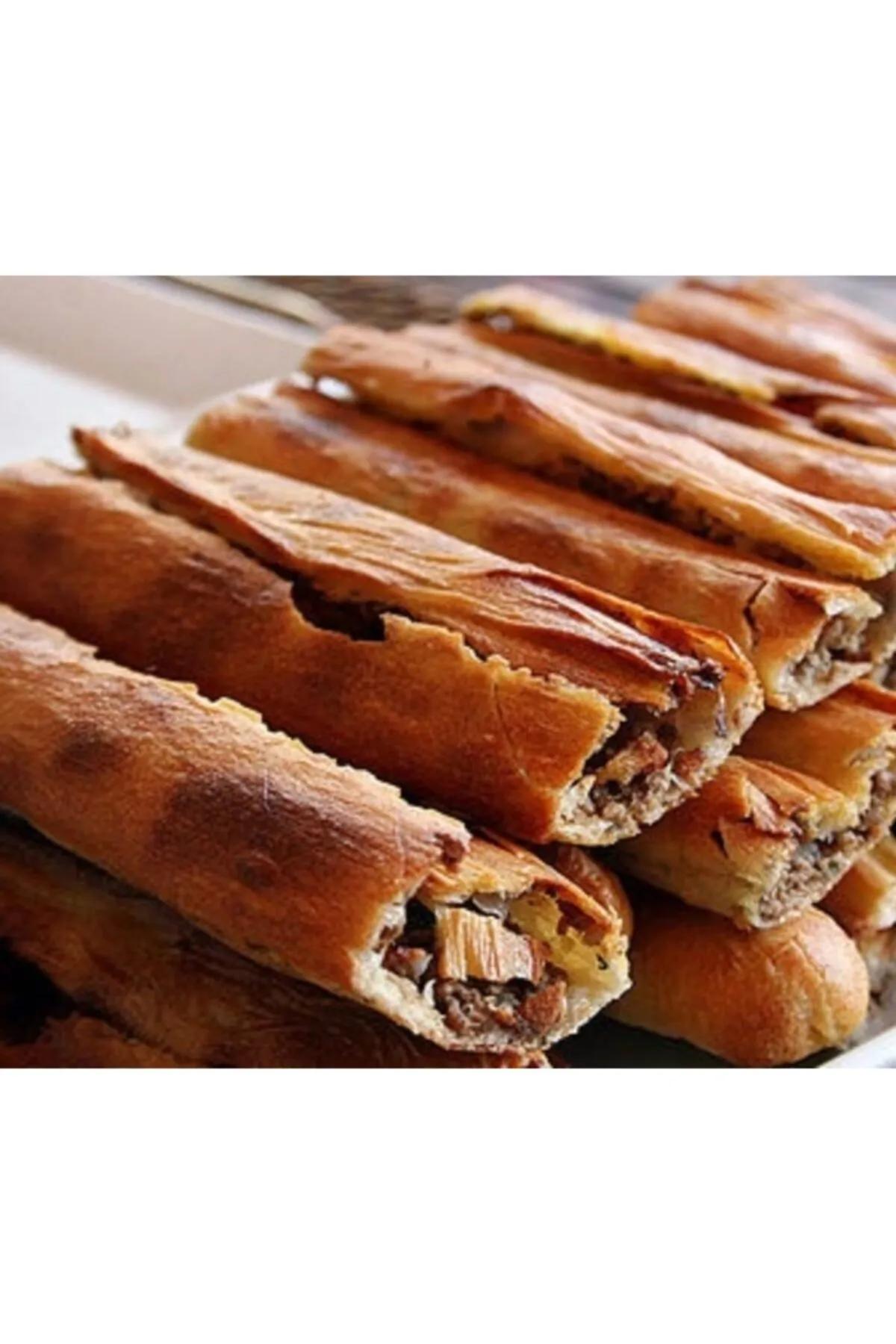
Bafra pidesi is a traditional pastry specialty unique to the Bafra district of Samsun province in Türkiye. It distinguishes itself from other types of pide through its distinctive baking method, ingredient selection, and shape. This product is regarded as a representative of the local culinary culture.
Dough Structure: A thin, crisp, and lightly textured dough is used.
Filling: Typically composed of minced meat, onion, butter, and various spices. Cheese, pastırma, and sucuk are also commonly used as alternative ingredients.
Baking Method: Traditionally baked in a wood-fired oven. This method enhances the product’s aroma and flavor characteristics.
Butter Usage: Regional butter is applied both to the dough and the filling, contributing to the product’s distinctive taste profile.
Shape: Bafra pide is generally prepared in a round and thin form.
Minced Meat Bafra Pide: One of the most commonly consumed varieties.
Cheese Bafra Pide: Often preferred for breakfast.
Pastırma Bafra Pide: Features a more intense flavor profile.
Sucuk Bafra Pide: Prepared with a combination of sucuk and cheese.
Mixed Bafra Pide: A richly filled variety incorporating multiple ingredients.

Bafra pide is ideally served hot. It is traditionally accompanied by ayran or pickles. Due to its high butter content, beverages such as water or ayran are often chosen to aid digestion.
The original form of Bafra pide can be found in traditional pide shops in the Bafra district of Samsun. It is also available in other districts of Samsun and in some restaurants across Türkiye.
Bafra pide is an important element of gastronomic culture at both local and national levels, representing one of the rich variety of dough-based dishes in Türkiye’s cuisine. The preservation of traditional preparation techniques and the use of local ingredients contribute to the conservation of regional culinary heritage.

Characteristics of Bafra Pide
Varieties of Bafra Pide
Consumption Style
Geographical Distribution and Availability
Cultural Significance