This article was automatically translated from the original Turkish version.
+1 More
Registration Number | 1091 | ||||||||
|---|---|---|---|---|---|---|---|---|---|
Registration Date | 25.04.2022 | ||||||||
Application Number | C2021/057 | ||||||||
Application Date | 05.02.2021 | ||||||||
Name of the Geographical Indication | Bayramiç Olive Oil | ||||||||
Product / Product Group(s) | Olive oil including butter and solid and liquid fats | ||||||||
Type of Geographical Indication | Place of origin | ||||||||
Applicant/Registrant(s) | Bayramiç Chamber of Agriculture | ||||||||
Address of the Registrant | Camikebir Neighborhood, Baliğ Street No:8, Bayramiç ÇANAKKALE | ||||||||
Geographical Boundary | Bayramiç District Çanakkale Province | ||||||||
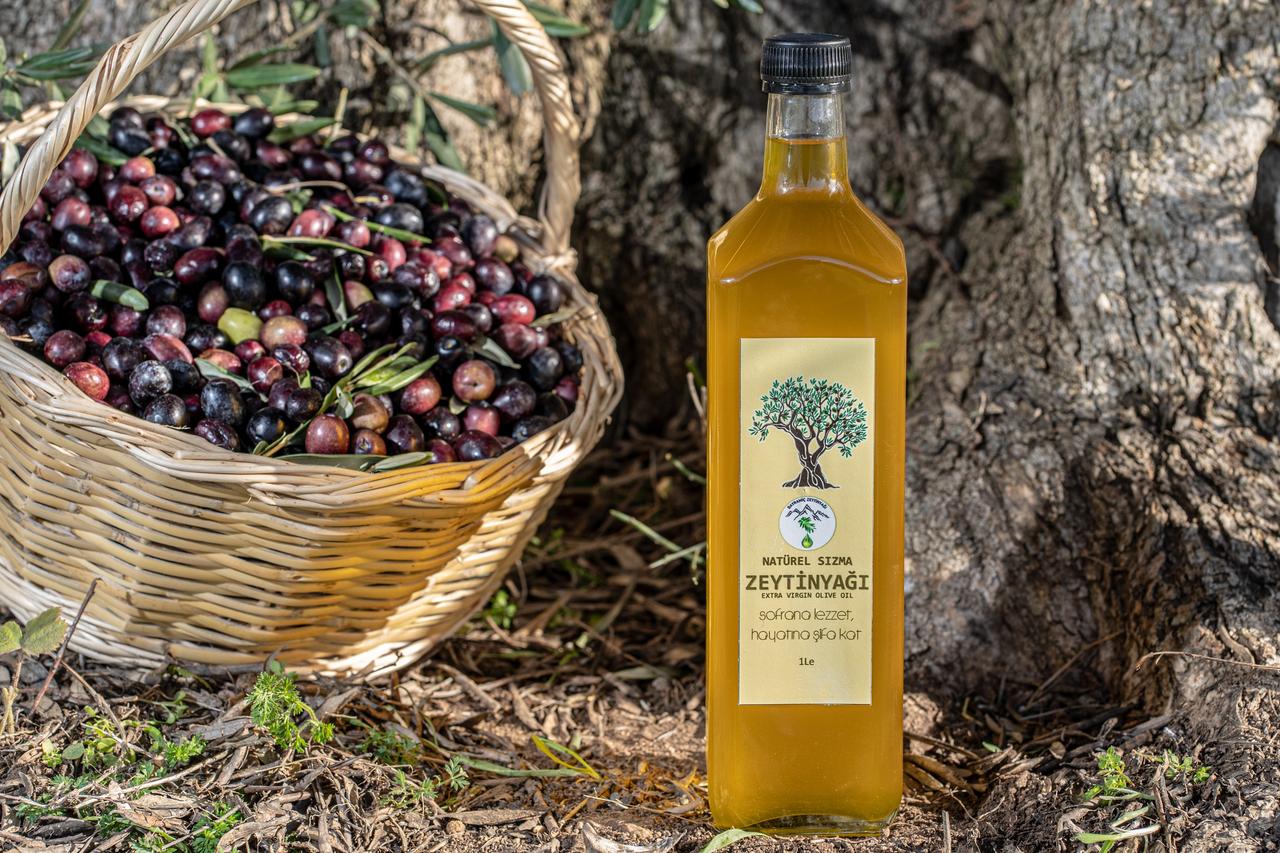
Bayramiç olive oil is a natural extra virgin olive oil produced exclusively from Ayvalık variety olives grown in the Bayramiç district of Çanakkale Province, using only physical processes. This product, registered under its geographical origin name, is characterized by its clear color ranging from green to yellow, high fruitiness, and a mild to medium level of pungency and bitterness. In addition to the characteristic aromas of the Ayvalık variety—such as green tomato, green apple, grass, and artichoke—it may also contain distinct aroma components derived from the region’s climate and soil structure, including ginger, pine, nectarine, and vanilla.
Bayramiç olive oil is a natural extra virgin olive oil obtained exclusively from Ayvalık variety olives cultivated within the Bayramiç district of Çanakkale Province, Türkiye, using only physical processes. It was officially registered on 25 April 2022 under registration number 1091 as a geographical indication, with its geographical boundary defined as the Bayramiç district. All stages of production, from harvesting to packaging, are carried out exclusively within this defined geographical area.
Bayramiç olive oil is liquid at room temperature and has a clear appearance. Its color ranges from green to yellow. Sensory characteristics include high fruitiness, light fluidity, and mild astringency. The flavor profile is defined by a mild to medium level of bitterness and a delayed pungency sensation. The oil exhibits the characteristic sensory notes of the Ayvalık variety, such as green tomato, green apple, grass, artichoke, and fruity undertones. Additionally, due to the unique ecological and climatic conditions of the geographical boundary, aroma notes such as ginger, pine, ripe fruit, quince, floral, vanilla, fresh walnut, and nectarine can also be detected.
Bayramiç olive oil is rich in six-carbon aroma compounds. These include:
These compounds contribute to the oil’s rich profile of green notes, fruitiness, and herbal aromas.
The chemical properties of Bayramiç olive oil are as follows:
Bayramiç olive oil is produced exclusively from Ayvalık variety olives. Harvesting is carried out manually, with rakes, or using machinery. The harvest time is determined by the ripeness index. Olives that have fallen to the ground, are damaged, delayed, frozen, or belong to other varieties are not permitted.
Olives are transported in clean plastic crates and processed within 48 hours. Processing begins with the separation of foreign matter from the olives using air flow or sieving, followed by washing with potable water at 30–40ºC, and then crushing to produce olive paste. This paste is kneaded in malaxers equipped with temperature control systems. The kneading process does not exceed 35ºC or 90 minutes.
Olive oil extraction may be performed using the following methods:
Olive oil is stored in stainless steel or chromium-nickel coated conical tanks, protected from oxygen exposure using inert gas or floating lid systems. The product is stored without blending with other olive oils. Transportation equipment must be made of stainless steel, cleanable, and suitable for direct food contact. Tankers must be labeled with the inscription “For food use only.”
The packaging of the oil preferably uses lacquered tin or amber/green glass bottles. Packaging must comply with the Turkish Food Codex and be sealed hermetically after verifying the product’s weight or volume. The packaging must bear the inscription “Bayramiç Olive Oil,” the geographical indication emblem, and the relevant logo.
The Bayramiç district is located in a high-altitude region on the northwestern slopes of the Kaz Mountains. It lies at the transition zone between the Black Sea and Mediterranean climates. It experiences lower temperatures, less rainfall, and higher relative humidity compared to southern regions. Additionally, it is influenced by cool winds originating from the North Aegean. These harsh climatic conditions induce stress in olive trees close to harvest time, promoting the development of aroma compounds. Sunlight duration and diurnal temperature variations also influence the formation of these compounds.
Bayramiç has alluvial soils deposited by the Karamenderes River. Rivers and water sources fed by the Kaz Mountains provide irrigation water rich in minerals. The high nutrient content of the soil and water directly influences the aroma profile of the product.
Monitoring of Bayramiç olive oil is conducted by a four-member control body composed of representatives from the Bayramiç Agricultural and Forestry Directorate, Çanakkale Chamber of Commerce, and Çanakkale Onsekiz Mart University, coordinated by the Bayramiç Chamber of Agriculture. Inspections are carried out at least once annually between May and July, and may be conducted at any time if deemed necessary or upon complaint. Inspections verify compliance with the geographical boundary, production and packaging conditions, and conformity of sensory and chemical properties to established standards.
Turkish Patent and Trademark Office. "Bayramiç Zeytinyağı Coğrafi İşaret Tescil Belgesi." Accessed July 18, 2025. https://ci.turkpatent.gov.tr/Files/GeographicalSigns/55c7617c-a0b7-4595-be5a-ec6b246d6b4f.pdf
Turkish Patent and Trademark Office. "Bayramiç Zeytinyağı." Accessed July 18, 2025. https://ci.turkpatent.gov.tr/cografi-isaretler/detay/3405

Registration Number | 1091 | ||||||||
|---|---|---|---|---|---|---|---|---|---|
Registration Date | 25.04.2022 | ||||||||
Application Number | C2021/057 | ||||||||
Application Date | 05.02.2021 | ||||||||
Name of the Geographical Indication | Bayramiç Olive Oil | ||||||||
Product / Product Group(s) | Olive oil including butter and solid and liquid fats | ||||||||
Type of Geographical Indication | Place of origin | ||||||||
Applicant/Registrant(s) | Bayramiç Chamber of Agriculture | ||||||||
Address of the Registrant | Camikebir Neighborhood, Baliğ Street No:8, Bayramiç ÇANAKKALE | ||||||||
Geographical Boundary | Bayramiç District Çanakkale Province | ||||||||
Geographical Boundary
Physical and Sensory Characteristics
Aroma Components
Chemical Properties
Production Conditions and Methods
Storage and Transportation
Packaging and Labeling
Ecological and Climatic Factors
Monitoring and Control