


This article was automatically translated from the original Turkish version.
+2 More
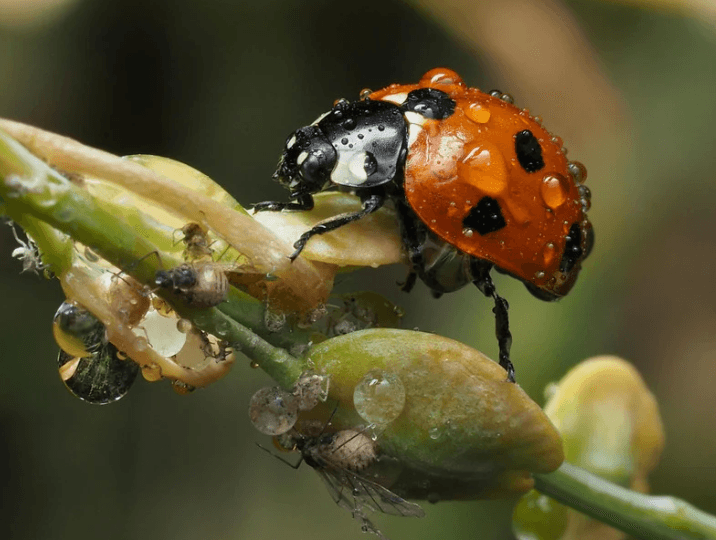
Biyomücadele
(Yapay Zeka ile Oluşturulmuştur)
Biological Control (biological control in agricultural production) is a plant protection method based on the use of natural enemies or biological agents to reduce damage caused by pest organisms in crop production. In this approach, predatory and parasitoid insects, pathogenic microorganisms, or other natural enemies that act on pest insects, disease agents, or weeds are employed to maintain pest populations below the economic injury threshold. Biological control has been developed as an alternative or complementary method to chemical control, particularly to minimize adverse effects on the environment and human health, and is recognized as a key component of sustainable agricultural production systems.
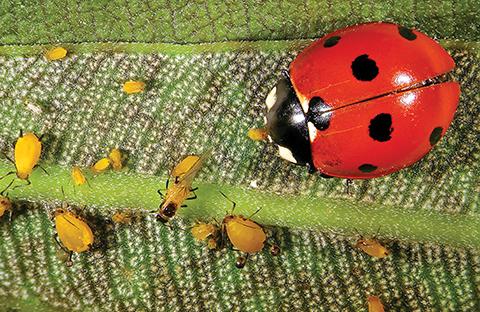
Biological Control in Agricultural Production
Biological control is an ancient practice based on the concept of using natural enemies of pests. With the recognition of the presence of natural enemies in agricultural production, this method began to be studied scientifically. The identification of predatory and parasitoid species that effectively regulate pest insect populations has played a crucial role in the development of biological control.
Modern biological control practices are based on the mass rearing of natural enemies using specific production techniques and their release into agricultural areas to suppress pest populations. These practices are widely used in greenhouse cultivation, as well as in fruit and vegetable production. As environmental sustainability goals in agriculture have increased, interest in biological control has also grown steadily.
Biological control is based on the utilization of ecological relationships between pest organisms and their natural enemies. The goal of this method is not the complete eradication of pests but the maintenance of their populations at levels that do not cause economic damage.
In biological control applications, the conservation, multiplication, and release of natural enemies under suitable conditions are fundamental approaches. This method, which maintains natural balance within agricultural ecosystems, is regarded as an essential component of sustainable production systems due to its reduced environmental impact.
Biological control applications are generally carried out through the conservation, enhancement, or direct release of natural enemies into the environment.
Classical biological control involves the introduction of a pest’s natural enemy from its native region into a new environment where the pest has become established, with the aim of establishing a permanent population. The goal is for the natural enemy to adapt to the new environmental conditions and effectively suppress the pest population.
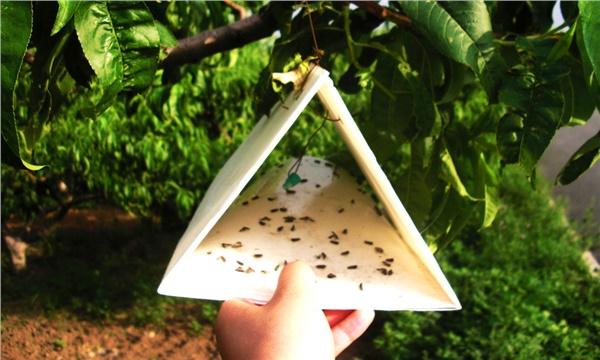
Biological Control in Crop Production
In augmentative biological control, natural enemies are reared in laboratory conditions and released into agricultural areas at specific times. This method is widely used in greenhouse cultivation.
In conservation biological control, the aim is to protect and enhance the effectiveness of natural enemies already present in agricultural areas. This requires reducing the use of chemical pesticides, providing suitable habitats for natural enemies, and implementing practices that support ecological balance.
Organisms used in biological control are generally classified into three groups: predators, parasitoids, and pathogenic microorganisms.
Predators are organisms that feed directly on pest organisms. In agricultural production, certain insect species play a significant role in reducing populations of pest insects.
Parasitoids are organisms that develop by living on or inside a pest organism during a specific stage of their life cycle, ultimately causing the host’s death. Due to this characteristic, they play an effective role in controlling pest populations.
Certain microorganisms such as bacteria, viruses, and fungi can reduce pest populations by causing diseases in them. These microorganisms are used as important biological agents in biological control.
Biological control is considered a method with lower risks to the environment and human health compared to chemical control. By using natural enemies, pest populations can be maintained under control over the long term while preserving natural balance within ecosystems. Additionally, reducing the use of chemical pesticides contributes to achieving sustainability in agricultural production.
However, the effects of biological control often manifest more slowly than those of chemical methods, and their success can vary depending on environmental conditions. For this reason, biological control is frequently applied in conjunction with other plant protection methods.
Biological control is a vital component of sustainable agricultural practices. The use of natural mechanisms to manage pest organisms makes significant contributions to reducing environmental pollution and preserving ecological balance.
In particular, biological control holds a prominent place in organic farming systems. In these production systems, where the use of chemical pesticides is restricted, leveraging the effectiveness of natural enemies is regarded as one of the primary methods for pest control.
Ankara Üniversitesi Open Courseware. "Organik Tarımda Biyolojik Mücadele." Accessed March 10, 2026. https://acikders.ankara.edu.tr/pluginfile.php/188107/mod_resource/content/1/8.%20Hafta-%20Organik%20Tar%C4%B1mda%20Biyolojik%20M%C3%BCcadele.pdf
Bingöl Üniversitesi. "Biyolojik Mücadele." Accessed March 10, 2026. https://www.bingol.edu.tr/documents/Emin%204.pdf
Biological Agriculture. "Biological Agriculture and Pest Control with Beneficial Insects." Accessed March 10, 2026. https://biyolojiktarim.com/blog/biyolojik-tarim-ve-faydali-boceklerle-zararli-bocek-mucadelesi#
Biological Control Association. "Biological Control." Accessed March 10, 2026. https://www.biyolojikmucadele.org.tr/uploads/2017-1-71-82.pdf
DergiPark. "Biyolojik Mücadele ile İlgili Araştırmalar." Accessed March 10, 2026. https://dergipark.org.tr/tr/download/article-file/236143
DergiPark. "Biyolojik Mücadele Üzerine Bir Değerlendirme." Accessed March 10, 2026. https://dergipark.org.tr/tr/download/article-file/82270
Koppert Türkiye. "Bitki Koruma ve Biyolojik Mücadele." Accessed March 10, 2026. https://www.koppert.com.tr/bitki-koruma/
Ministry of Agriculture and Forestry, Yalova Atatürk Garden Crops Research Institute. "Biyolojik Mücadele." Accessed March 10, 2026. https://arastirma.tarimorman.gov.tr/yalovabahce/Belgeler/Yayinlar/102-biyolojik.mucadele.pdf
Ministry of Agriculture and Forestry. "Biological Control Brochure." Accessed March 10, 2026. https://www.tarimorman.gov.tr/GKGM/Belgeler/Uretici_Bilgi_Kosesi/Brosurler/biyolojik_liflet.pdf
Ministry of Agriculture and Forestry. "Biyolojik Mücadele." Accessed March 10, 2026. https://arastirma.tarimorman.gov.tr/zmmae/Menu/20/Biyolojik-Mucadele
TürkTarım. "Biyolojik Savaşın Vazgeçilmezi Faydalı Böcekler." Accessed March 10, 2026. https://www.turktarim.gov.tr/Haber/86/biyolojik-savasin-vazgecilmezi-faydali-bocekler

Biyomücadele
(Yapay Zeka ile Oluşturulmuştur)
Historical Development
Core Principles
Methods
Classical Biological Control
Augmentative Biological Control
Conservation Biological Control
Natural Enemies Used
Predators
Parasitoids
Pathogenic Microorganisms
Advantages and Limitations
Importance