This article was automatically translated from the original Turkish version.
Province(s) | Niğde | ||||||||
|---|---|---|---|---|---|---|---|---|---|
Location | In the southeastern part of Niğde Province at the foothills of the Taurus Mountains | ||||||||
Neighbors | Niğde Central, Bor, Ulukışla districts and Adana Province | ||||||||
Area(s) | 1204 km² | ||||||||
Elevation(s) | The district average is 1600 m the district center is 1250 m | ||||||||
Çamardı is located in the southeastern part of Niğde Province, at the foothills of the Taurus Mountains. It is bordered by Niğde Central to the north, Bor to the west, Ulukışla to the northwest, and Adana Province to the south.
The district covers an area of approximately 1,204 km² and has an average elevation of 1,600 meters. The district center is situated at an altitude of 1,250 meters.
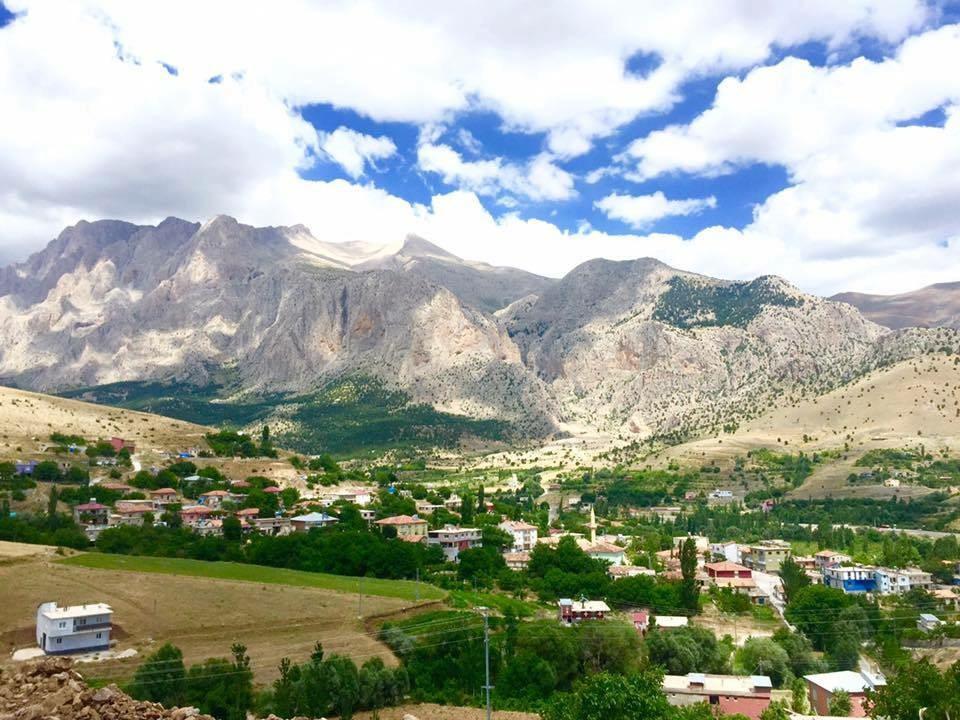
Geographically rugged, about two-thirds of the district’s terrain is mountainous, while one-third consists of alpine meadows. These meadows are used for grazing and agriculture, especially during the summer months.
Demirkazık Mountain (3,756 m), the highest peak in the Taurus range, lies within Çamardı’s boundaries and plays a significant role in shaping the region’s natural landscape and climate.
Important water sources in the district include the stream originating from Karapınar and the Ecemiş Creek. These waters converge in the southern part of the district and flow into the Seyhan River within Adana’s borders.
The district experiences a continental climate typical of Central Anatolia. Summer temperatures range from 20 to 28 °C, while winter temperatures vary between -5 and 10 °C. Snow depth can reach 40 to 50 cm during winter. Precipitation is highest in December, March, April, and May. Annual precipitation per square meter ranges between 1 and 1.6 kg.
Çamardı is home to 19 villages. Reforestation projects have been carried out in the areas around Çukurbağ Village, Emli Boğazı, Elekgölü, Yelatan Village, Demirkazık Mountain, and Kayakevi, resulting in extensive forested areas throughout the district.
Ministry of Culture and Tourism. "Çamardı." T.C.Niğde Valiliği Directorate of Culture and Tourism. Accessed June 22, 2025. https://nigde.ktb.gov.tr/TR-215004/camardi.html.
Ministry of Environment, Urbanization and Climate Change of the Republic of Türkiye. "Çamardı İlçesi."Niğde Çevre of Environment, Urbanization and Climate Change. Accessed June 22, 2025. https://nigde.csb.gov.tr/camardi-i-1445.

Province(s) | Niğde | ||||||||
|---|---|---|---|---|---|---|---|---|---|
Location | In the southeastern part of Niğde Province at the foothills of the Taurus Mountains | ||||||||
Neighbors | Niğde Central, Bor, Ulukışla districts and Adana Province | ||||||||
Area(s) | 1204 km² | ||||||||
Elevation(s) | The district average is 1600 m the district center is 1250 m | ||||||||
Area and Elevation
Topography
Demirkazık Mountain
Water Resources
Climate Characteristics
Villages and Reforestation Efforts