


This article was automatically translated from the original Turkish version.
+1 More
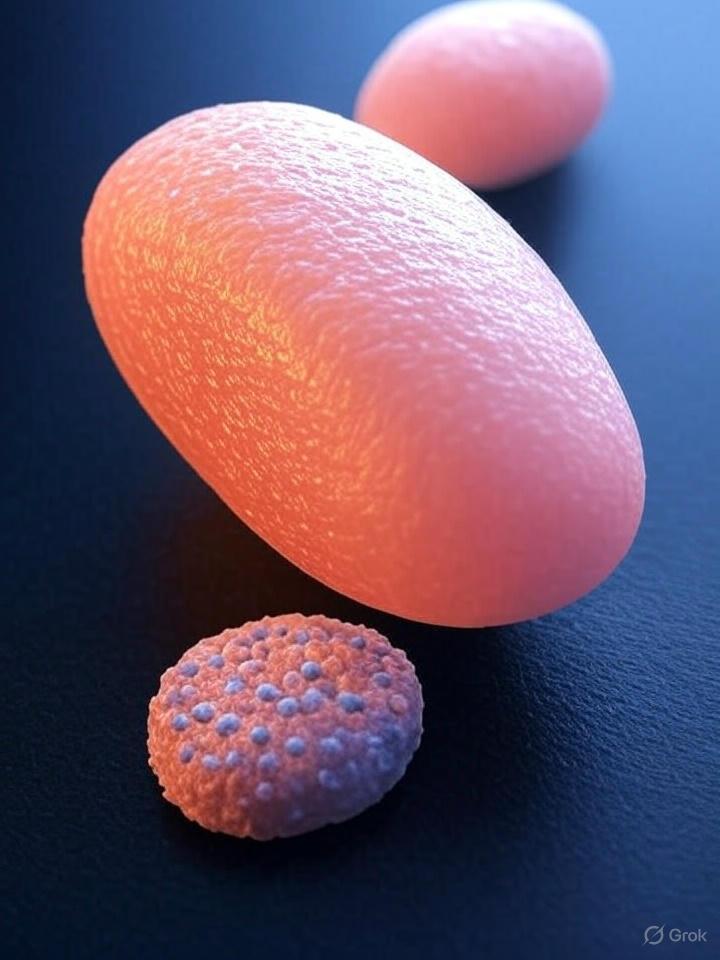
Generated by visual artificial intelligence.
Candidiasis
Candidiasis Types | Candida auris Infection Invasive Candidiasis Cutaneous Candidiasis Vulvovaginal Candidiasis (Vaginal Fungal Infection) Oral Candidiasis (Oral Fungal Infection) | ||||||||
|---|---|---|---|---|---|---|---|---|---|
Candidiasis is the general term for opportunistic fungal infections caused by various species of Candida, primarily Candida albicans. Clinical manifestations range from superficial mucocutaneous infections to life-threatening systemic diseases. Infection typically occurs in individuals with compromised immune systems and can affect the mouth, esophagus, vagina, skin, lungs, or the systemic circulation. Candidiasis is also commonly known in the public as “thrush,” “moniliasis,” or “candidosis.”

Candidiasis (generated by artificial intelligence.)
The causative agents of candidiasis are species of the genus Candida, which are yeast-like fungi. The most common species is Candida albicans, but other species such as C. glabrata, C. parapsilosis, C. tropicalis, C. krusei, C. lusitaniae, C. kefyr, and more recently, the multidrug-resistant Candida auris which has emerged as a significant health threat, can also cause the disease.
Candida albicans is a component of the normal human microbiota, commonly found as a commensal in the mouth, gastrointestinal tract, vagina, and skin. However, it becomes pathogenic under conditions that suppress the immune system, disrupt microbial balance, or damage mucosal integrity.
Candidiasis can occur in all age groups but is most common in infants, the elderly, pregnant women, and individuals with compromised immune systems. Approximately 90% of patients with HIV/AIDS develop oral candidiasis. Vaginal candidiasis is a prevalent infection, affecting about 75% of women at least once in their lifetime. An increase in infections caused by non-albicans species has been observed, and the emergence of antifungal resistance in some of these species has made treatment strategies increasingly important.
It is characterized by white, pseudomembranous plaques on the oral mucosa that, when removed, leave behind erythematous areas. There are three main clinical forms:
Other forms include angular cheilitis, median rhomboid glossitis, linear gingival erythema, and denture stomatitis.
It is characterized by itching, burning, vulvar erythema, and thick, white, curd-like discharge. Risk factors include diabetes, pregnancy, antibiotic use, and hormonal contraceptives. In chronic or recurrent cases, underlying endocrine disorders should be investigated.
C. albicans can enter the bloodstream by crossing the gastrointestinal mucosa, adhering to foreign bodies such as catheters, or through invasive procedures. It can lead to forms such as candidemia, endocarditis, meningitis, osteomyelitis, ocular infections, and renal candidiasis. Mortality rates are particularly high in patients with immune deficiency.
Candida auris, which has become a major cause of healthcare-associated infections since the 2010s, exhibits high rates of antifungal resistance and significant potential for epidemic spread. Clinical symptoms are nonspecific. It can cause candidemia and other invasive infections. Colonization is common and may occur without symptoms.
Candidiasis typically arises when the host defense system is weakened. Candida transitions from its yeast form to its hyphal form, disrupting mucosal integrity. This morphological shift determines the severity of the infection. Other factors influencing the transition from colonization to infection include alterations in mucosal flora, hormonal influences, diabetes, and local hygiene.
Microscopically, sponge-like epidermal changes, neutrophil infiltration, pseudomembrane formation, and hyphal invasion of epithelial cells are observed. For differential diagnosis, Candida yeast and hyphal forms can be visualized using GMS (Gomori Methenamine Silver) and PAS (Periodic Acid-Schiff) stains.
Treatment varies according to the site, severity, and immune status of the patient:
Pseudomembranous lesions may be confused with other dermatological conditions such as psoriasis, impetigo, tinea infections, and leukoplakia. Microscopy and special stains are essential for differential diagnosis. Laryngeal candidiasis, particularly in women with reflux or using inhaled steroids, can mimic dysphonia.
Untreated candidiasis may lead to the following complications:
Superficial forms of candidiasis generally have a good prognosis. However, systemic forms can cause high morbidity and mortality. Early diagnosis and appropriate antifungal therapy are critical, especially in immunocompromised patients.
In the diagnosis and treatment of candidiasis, infectious disease specialists, dentists, gynecologists, dermatologists, clinical microbiologists, and intensive care specialists should collaborate. Consultations with endocrinology and gastroenterology may be required for chronic or recurrent cases.
Bay County Health Department. *Candidiasis (Yeast).* Bay County Michigan Health Department. Accessed June 19, 2025. https://www.baycountymi.gov/Health/CandidiasisYeast/.
General Directorate of Public Health. *C. auris in Additional Health Services.* Ankara: Ministry of Health of the Republic of Türkiye, 2025. Accessed June 19, 2025. https://hsgm.saglik.gov.tr/depo/birimler/bulasici-hastaliklar-ve-erken-uyari-db/Dokumanlar/Afisler-Brosurler/2025/Ek_Saglik_Hizmetlerinde_C._auris.pdf.
NCBI Bookshelf. "Treatment of Vulvovaginal Candidiasis." In *StatPearls.* Accessed June 19, 2025. https://www.ncbi.nlm.nih.gov/books/NBK560624/.
e-Zeynep Kamil Women's Diseases Education and Research Hospital. "Vajinit Nedir?" *e-ZHEAH.* Accessed June 19, 2025. https://ezheah.saglik.gov.tr/TR,397143/vajinit-nedir.html.
Öztürk, Mehmet T., and Ayfer Türk. "Vulvovajinal Kandidiyazis: Tanı ve Tedavi." *Turkish Journal of Family Practice* 22, no. 4 (2018): 150–155. Accessed June 19, 2025. https://turkjfampract.org/article/download/518/517/451.


Generated by visual artificial intelligence.
Candidiasis
Candidiasis Types | Candida auris Infection Invasive Candidiasis Cutaneous Candidiasis Vulvovaginal Candidiasis (Vaginal Fungal Infection) Oral Candidiasis (Oral Fungal Infection) | ||||||||
|---|---|---|---|---|---|---|---|---|---|
Etiology and Microbiology
Epidemiology
Clinical Presentations
1. Oral Candidiasis
2. Vaginal Candidiasis
3. Systemic Candidiasis
4. Candida auris Infections
Pathogenesis
Histopathology
Diagnostic Methods
Treatment
Differential Diagnosis
Complications
Prevention and Patient Education
Prognosis
Multidisciplinary Management