


This article was automatically translated from the original Turkish version.
Classification(s) | Other Specific Types Gestational DM (GDM) Type 2 DM Type 1 DM | ||||||||
|---|---|---|---|---|---|---|---|---|---|
Frequency of Occurrence (2021) | Türkiye: 14.5% prevalence World: 537 million people | ||||||||
Projection (2030) | Türkiye: 16.2% prevalence World: 634 million people | ||||||||
Diabetes is a metabolic disorder characterized by chronic elevation of blood glucose levels (hyperglycemia) due to the body’s inability to produce sufficient insulin or to use it effectively. This condition primarily affects the metabolism of carbohydrates, fats, and proteins, and can lead to serious complications such as cardiovascular disease, kidney failure, neuropathy, and retinopathy. Classified into Type 1, Type 2, gestational, and other specific types, diabetes is now recognized as a major public health issue at both individual and societal levels.

Diabetes (pexels)
The number of people with diabetes is increasing every day. According to data from the International Diabetes Federation, the global number of people with diabetes was 537 million in 2021, and this figure is projected to reach 634 million by 2030.【1】 In Türkiye, the prevalence rate was 14.5% in 2021, and it is estimated to rise to 16.2% by 2030. Furthermore, approximately 45% of people with diabetes worldwide are undiagnosed. Due to its rapidly increasing prevalence and the potential for life-threatening complications when uncontrolled, diabetes is considered a serious global public health issue.
Diabetes is generally classified into four main categories: Type 1 Diabetes, Type 2 Diabetes, Gestational Diabetes (GDM), and Other Specific Types of Diabetes.
Type 1 diabetes accounts for approximately 5–10% of all diabetes cases. In individuals with genetic susceptibility, environmental triggers induce autoimmunity that damages the beta cells of the pancreas. Type 1 diabetes typically progresses through three stages; symptoms become apparent when beta cell damage reaches 80–90%. Factors such as childhood obesity, rapid growth during infancy, short duration of breastfeeding, and early exposure to complex carbohydrates may contribute to its development. It usually begins before the age of 30 and is among the chronic health conditions observed in childhood and adolescence. A slower-progressing form in adults is known as Latent Autoimmune Diabetes in Adults (LADA).
Type 2 diabetes is the most common form of diabetes. It is characterized by insulin resistance, impaired insulin action, and chronic hyperglycemia. Both environmental and genetic factors influence its development. Although it typically emerges after the age of 40, the incidence in children has increased two to threefold in recent years. One of the primary drivers of this increase is obesity. Today, one of the main factors contributing to obesity is the widespread consumption of processed foods.
Gestational diabetes develops during pregnancy and poses various risks to both mother and fetus. GDM can lead to excessive fetal growth and epigenetic changes, thereby increasing the risk of obesity and metabolic diseases in subsequent generations. Newborns of mothers with GDM have been reported to have higher mortality rates. These children also face an elevated risk of developing diabetes, obesity, and other health problems later in life.
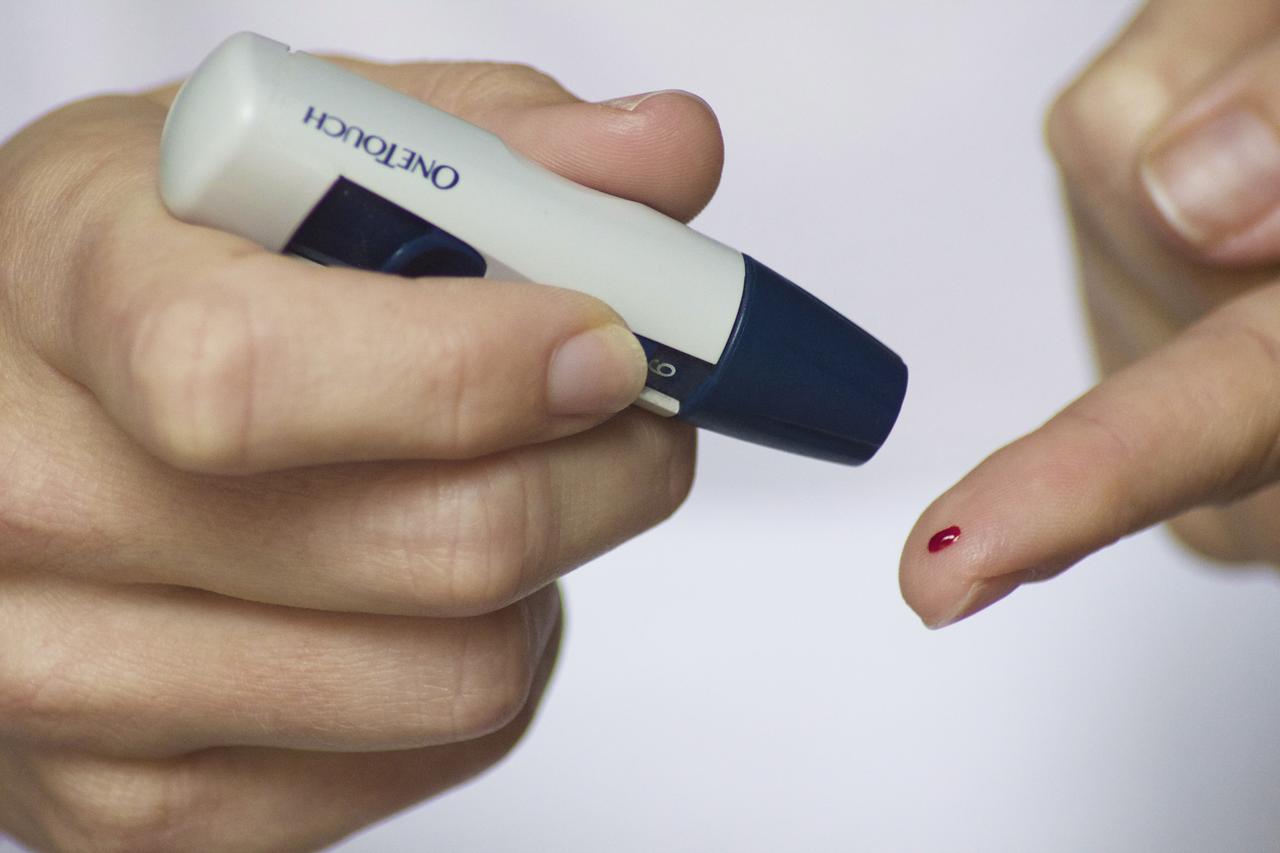
Diagnosis is based on parameters such as fasting plasma glucose, hemoglobin A1c (HbA1c), oral glucose tolerance test (OGTT), and random plasma glucose. Common symptoms include polyuria (frequent urination), polydipsia (excessive thirst), polyphagia (excessive hunger), fatigue, dry mouth, and muscle pain.

Blood Glucose Measurement (pxhere)
Diets rich in plant-based bioactive compounds have been reported to have beneficial effects in the prevention and management of diabetes. Phytochemicals such as flavonoids, anthocyanins, saponins, carotenoids, tannins, and polyphenols may help regulate blood glucose levels. For example, polyphenols found in fruits such as apples and grapes inhibit the enzymes alpha-amylase and alpha-glucosidase involved in carbohydrate digestion, thereby slowing carbohydrate absorption and helping to control postprandial glycemia.
Recent research has demonstrated that certain plants may assist in diabetes treatment. Examples include okra, kiwi, quince, mushrooms, onion, garlic, aloe vera, cashew, pineapple, celery, asparagus, oats, beetroot, mustard, cabbage, broccoli, tea, red pepper, papaya, quinoa, chickpea, cinnamon, watermelon, lemon, grapefruit, coconut, coffee, cucumber, squash, and turmeric.
Warning: The content provided here is for general encyclopedic information only. These details must not be used for diagnosis, treatment, or medical advice. Always consult a physician or qualified healthcare professional before making any decisions regarding your health. The author and KÜRE Encyclopedia assume no responsibility for any consequences arising from the use of this information for diagnostic or therapeutic purposes.
Ansari, P., J. T. Khan, S. Chowdhury, A. D. Reberio, S. Kumar, V. Seidel, Y. H. A. Abdel-Wahab, and P. R. Flatt. 2024. “Plant-Based Diets and Phytochemicals in the Management of Diabetes Mellitus and Prevention of Its Complications: A Review.” *Nutrients* 16, no. 21: 3709. Accessed June 26, 2025. https://doi.org/10.3390/nu16213709
Pexels. “Blood Sugar Meter and Medication on the Blue Background JPG.” Pexels. Accessed June 26, 2025. https://www.pexels.com/photo/blood-sugar-meter-and-medication-on-the-blue-background-6942015/
Polat, Zeynep. “Diyabet Mellitus.” *e-Makalat Mezunlar Dergisi* 4, no. 1 (2024): 45–56. Accessed June 26, 2025. https://file.temd.org.tr/Uploads/publications/guides/documents/diabetesmellitus2024.pdf.
Pxhere. “Yellow Blue Budgerigars JPG.” *Pxhere.* Accessed June 26, 2025. https://pxhere.com/tr/photo/1075387
Sacks, David B., Mark Arnold, George L. Bakris, David E. Bruns, Andrea R. Horvath, Åke Lernmark, Boyd E. Metzger, David M. Nathan, and M. Sue Kirkman. “Guidelines and Recommendations for Laboratory Analysis in the Diagnosis and Management of Diabetes Mellitus.” *Diabetes Care* 46, no. 10 (2023): 151–199. Accessed June 26, 2025.
Shamsad, Amreen, Tanu Gautam, Renu Singh, and Monisha Banerjee. “Genetic and Epigenetic Alterations Associated with Gestational Diabetes Mellitus and Adverse Neonatal Outcomes.” *World Journal of Clinical Pediatrics* 14, no. 1 (2025): 99231. Accessed June 26, 2025. https://doi.org/10.5409/wjcp.v14.i1.99231
Yalçın, Bengü, Mehmet Necdet Çelikayar, and Sibel Gül Daştan. “İşlenmiş Gıdalar ve Diyabet.” *Journal of Kocaeli Health and Technology University* 2, no. 3 (2024): 24–40. Accessed June 26, 2025. https://dergipark.org.tr/tr/download/article-file/4124049
Şahin, Zümrüt, and Ayşenur Sarıaslan. “Diyabet Öz Bakım Aktiviteleri Ölçeği Kısa Formu Türkçe Geçerliliği Ve Güvenilirliği”. *Turkish Journal of Diabetes and Obesity* 9, no. 1 (2025): 88–96. Accessed June 26, 2025. https://doi.org/10.25048/tudod.1620028
[1]
David B. Sacks ve ark., “Guidelines and Recommendations for Laboratory Analysis in the Diagnosis and Management of Diabetes Mellitus,” Diabetes Care 46, no. 10 (2023): syf 152. https://diabetesjournals.org/care/article/46/10/e151/153425/Guidelines-and-Recommendations-for-Laboratory

Classification(s) | Other Specific Types Gestational DM (GDM) Type 2 DM Type 1 DM | ||||||||
|---|---|---|---|---|---|---|---|---|---|
Frequency of Occurrence (2021) | Türkiye: 14.5% prevalence World: 537 million people | ||||||||
Projection (2030) | Türkiye: 16.2% prevalence World: 634 million people | ||||||||
No Discussion Added Yet
Start discussion for "Diabetes (Sugar Disease)" article
Prevalence of Diabetes
Classification of Diabetes
Type 1 Diabetes
Type 2 Diabetes
Gestational Diabetes (GDM)
Diagnostic Criteria and Symptoms of Diabetes
Phytochemicals and Herbal Support