


This article was automatically translated from the original Turkish version.
+2 More
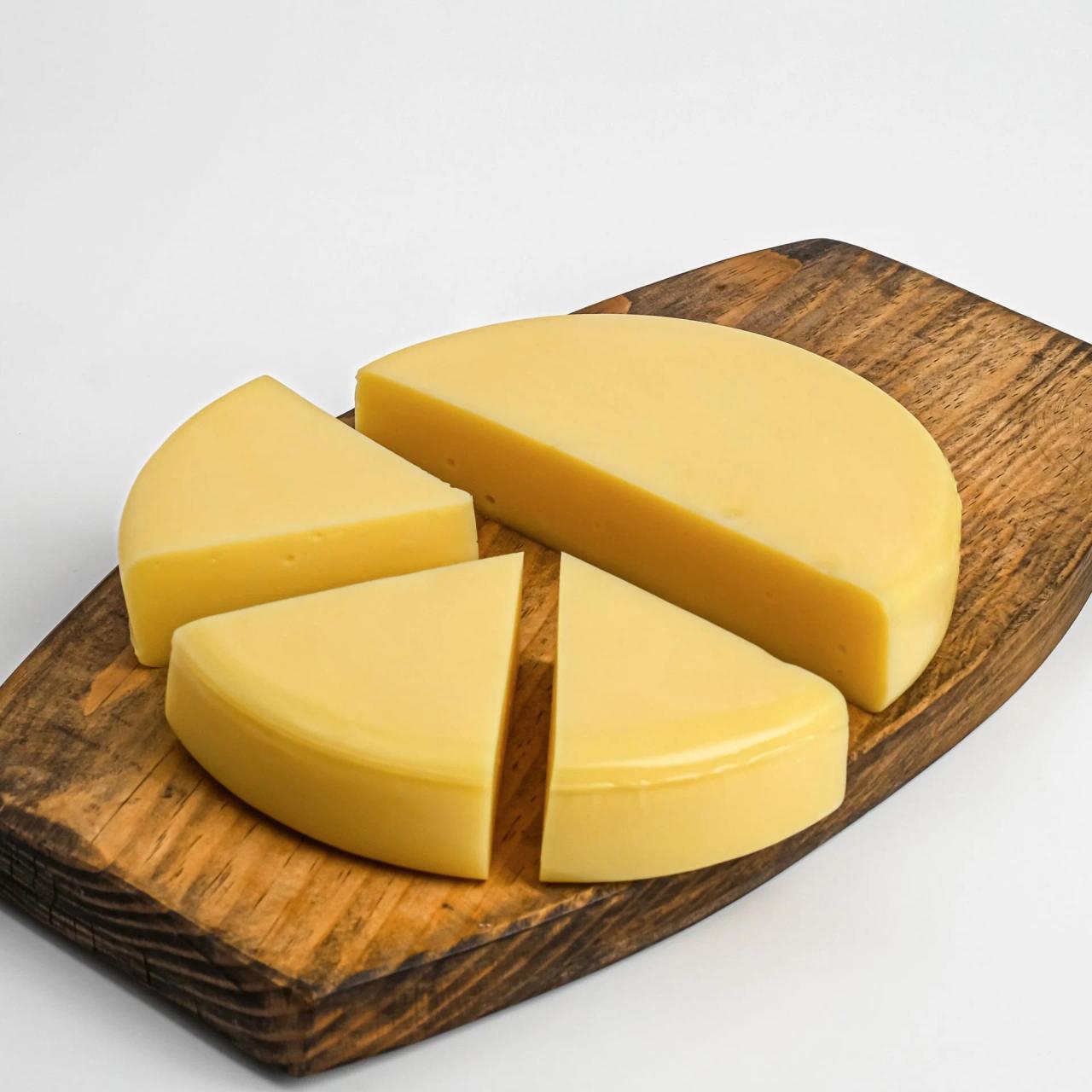
Çayeli Koloti Cheese
Name of the Geographical Indication | Çayeli Koloti Cheese | ||||||||
|---|---|---|---|---|---|---|---|---|---|
Registration Number | 1199 | ||||||||
Registration Date | 24.08.2022 | ||||||||
Application Number | C2020/411 | ||||||||
Application Date | 20.11.2020 | ||||||||
Product / Product Group(s) | Cheese / Cheeses | ||||||||
Type of Geographical Indication | Origin | ||||||||
Applicant/Registrant(s) | Çayeli District Directorate of Agriculture and Forestry | ||||||||
Address of the Registrant | Yenipazar Neighborhood, Çayeli District Governorate Building, 1st Floor, Çayeli RIZE | ||||||||
Geographical Boundary | Çayeli District Rize Province | ||||||||
Çayeli Koloti Peyniri is a regional cheese produced from the milk of Jersey and crossbred cows that graze on natural vegetation and various pasture grasses in the high villages, alpine meadows, and pastures of Çayeli district in Rize Province.
It is a variety of kolot cheese produced in Çayeli district of Rize and registered with a geographical indication. The term "Koloti" is a local dialect variation of "Kolot", the name of this cheese. This registration confirms that the cheese originates from a specific geographical region and is produced using traditional methods of that area. Kolot cheese is a traditional semi-hard cow’s milk cheese produced in Türkiye’s Eastern Black Sea Region, particularly in Trabzon, Rize, and Artvin provinces. This cheese is known for its ability to melt easily when heated and is widely used by locals both as a breakfast item and in the preparation of hot dishes. Its most well-known culinary use is in mıhlama, also known as kuymak. While primarily made from cow’s milk, in some areas it is also produced by blending small amounts of sheep’s milk. Kolot cheese is a staple ingredient in the regional cuisine and a key component of dishes such as mıhlama (kuymak).

Çayeli Koloti Peyniri, (generated by artificial intelligence.)
The history of Çayeli Koloti Peyniri is rooted in centuries-old transhumance and livestock practices in the Eastern Black Sea region. It stems from a cheese-making tradition adapted to the mountainous and humid climate. During the alpine grazing season, when milk yield is highest, cheese production became widespread as a natural byproduct. In this context, Koloti cheese has served as one of the region’s primary food sources, both economically and nutritionally.
The name “Koloti” derives from special aging containers used locally. These containers are crafted from the trunks of pine trees native to the highlands of Çayeli, cut to specific dimensions and hollowed out into a rounded interior with a drainage hole at the base. When cheese is aged in these containers, it acquires a distinct woody aroma, which is why this cheese type is called Koloti Cheese.

Çayeli Koloti Peyniri, (generated by artificial intelligence.)
The milk used in the production of this cheese, with a history of approximately 200 years, is sourced primarily from animals grazing in the high-altitude villages and alpine pastures of Çayeli, especially in the Senoz Valley. The general term for this cheese type is kolot cheese, while the registered product specific to Çayeli district is referred to as Çayeli Koloti Peyniri. Production knowledge has been passed down from generation to generation.
In Çayeli, alpine meadows begin above 2,100 meters elevation, beyond the forest line. This zone is dominated by low shrubs and herbaceous vegetation. The rugged terrain, abundant rainfall, and rich underground water sources ensure that the vegetation remains green year-round. Plants growing in these high-altitude areas develop thicker, narrower leaves to withstand cold conditions. The milk from animals grazing on this unique flora imparts a characteristic fresh, grassy aroma to the cheese. It is primarily produced in settlements such as Çamlıhemşin (Rize), Tonya (Trabzon), and Şavşat (Artvin). These areas are suitable for production due to their natural vegetation and livestock feeding practices, which enhance both milk yield and quality. Small family farms and local producers continue to manufacture Kolot cheese using traditional methods.
Kolot cheese is a nutritious dairy product rich in protein and calcium. Fat content varies depending on the characteristics of the milk used. On average, 100 grams contains approximately 20–25 grams of fat, 20 grams of protein, and 300–350 mg of calcium.
Due to its heat resistance and high melting capacity, Kolot cheese is especially preferred in hot dishes. Its most commonly used recipe is mıhlama, where its stretchy texture is a key flavor component. Thanks to its melting properties, it achieves a smooth consistency. Additionally, it is used:
This cheese, characterized by its pale white color and thin, flat shape, was officially registered as a geographical indication under Law No. 6769 on Industrial Property on 24 August 2022, effective from 20 November 2020. This registration formally defines and protects the production process, raw materials, shape, and geographical boundaries of Kolot cheese. The registration stipulates that the cheese must be produced exclusively within the defined region using traditional methods.
Kolot cheese should be stored in a refrigerator. The expiration date on packaged products must be observed. In traditional production, it is typically preserved in salted brine to prevent spoilage. Before consumption, it may be soaked in water for a period to reduce salt content.
Inspections of Çayeli Koloti Peyniri are conducted by a six-member inspection body coordinated by the Çayeli District Directorate of Agriculture and Forestry, comprising:
Inspections are carried out regularly at least once per year. Additional inspections may be conducted at any time upon receipt of complaints or when deemed necessary. The criteria for inspections are as follows:
The inspection body may seek support from or procure services from experts or institutions in the public or private sector as needed. Additionally, the entity that registered the product is responsible for initiating and managing legal proceedings related to its protection and inspection outcomes.
Turk Patent and Trademark Office. "Çayeli Koloti Peyniri – Coğrafi İşaret Detayı." Ankara: TÜRKPATENT. Accessed May 16, 2025. https://ci.turkpatent.gov.tr/cografi-isaretler/detay/2986.
Çayeli İlçe Directorate of Agriculture and Forestry. *Çayeli Koloti Cheese – Geographical Indication Registration Certificate No: 1199*. Ankara: Turkish Patent and Trademark Office, 2022. Accessed May 16, 2025. https://ci.turkpatent.gov.tr/Files/GeographicalSigns/09a4d528-e6f1-41f9-a843-d8bb1afaa9e5.pdf.

Çayeli Koloti Cheese
Name of the Geographical Indication | Çayeli Koloti Cheese | ||||||||
|---|---|---|---|---|---|---|---|---|---|
Registration Number | 1199 | ||||||||
Registration Date | 24.08.2022 | ||||||||
Application Number | C2020/411 | ||||||||
Application Date | 20.11.2020 | ||||||||
Product / Product Group(s) | Cheese / Cheeses | ||||||||
Type of Geographical Indication | Origin | ||||||||
Applicant/Registrant(s) | Çayeli District Directorate of Agriculture and Forestry | ||||||||
Address of the Registrant | Yenipazar Neighborhood, Çayeli District Governorate Building, 1st Floor, Çayeli RIZE | ||||||||
Geographical Boundary | Çayeli District Rize Province | ||||||||
No Discussion Added Yet
Start discussion for "Çayeli Koloti Cheese" article
History and Cultural Context
Geographical Distribution and Production Areas
Production Method
Physical and Chemical Properties
Nutritional Value
Characteristics of Çayeli Koloti Peyniri
Nutritional Value (Average per 100g)
Uses
Geographical Indication and Legal Protection
Consumption and Storage
Inspection