


This article was automatically translated from the original Turkish version.
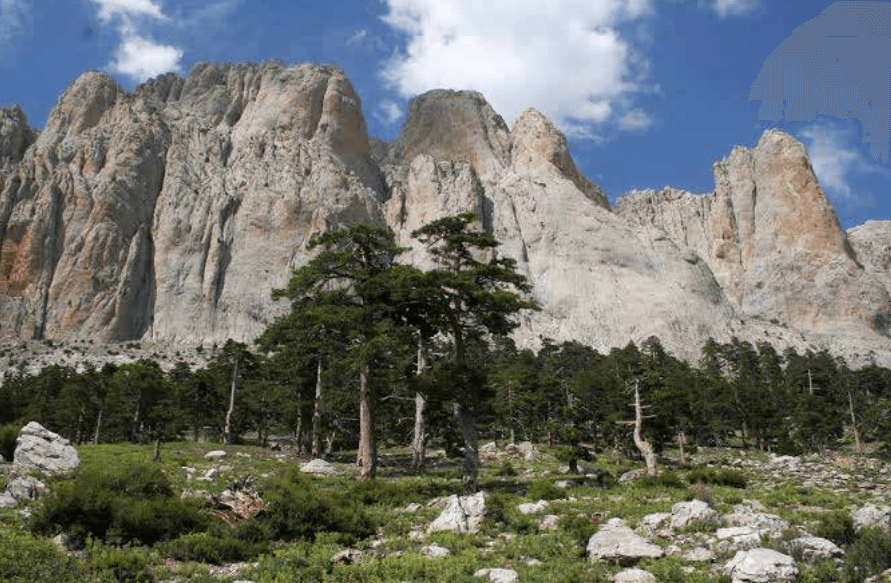
Dedegöl Mountain is located within the boundaries of the Yenişarbademli district in the eastern part of Isparta Province. At an elevation of 2998 metres, it is the highest peak in Isparta Province and the Central Taurus Mountains. The mountain extends from south to north and northwest and lies within the Taurus orogenic belt. Its summit is covered by snow for eleven months of the year.
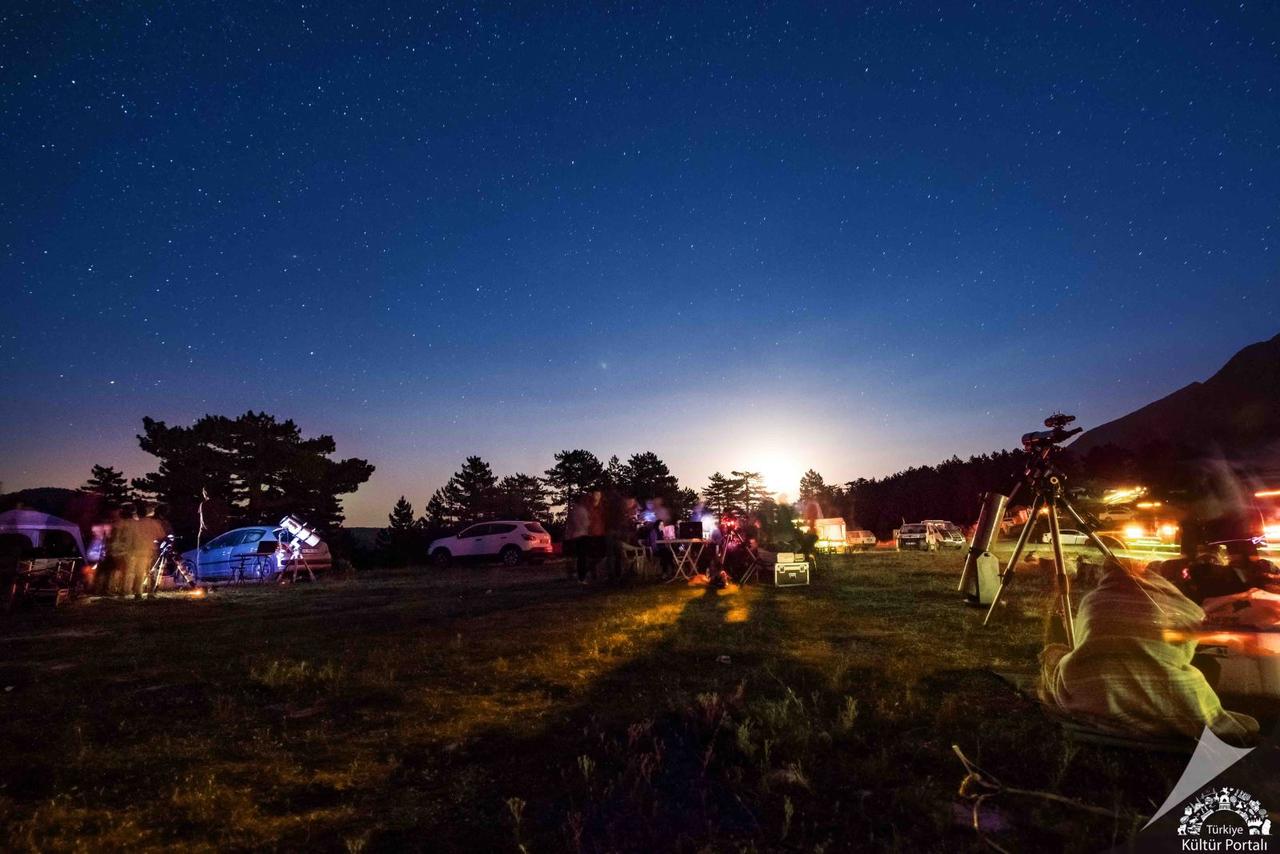
Dedegöl Mountain (Türkiye Culture Portal)
Dedegöl Mountain is situated in the eastern sector of the Isparta Angle, one of Türkiye’s most tectonically active regions. The mountain’s current topographic structure has been shaped by various geological processes. Although no active glaciers exist today, evidence of several small cirque glaciers has been identified. The glacial accumulation area consists primarily of massive limestone belonging to the Dipoyraz Formation.
The lithostratigraphic structure includes rock units ranging from the Precambrian to the Quaternary. However, the majority of surface-exposed rocks in the mountain massif are thick carbonate sequences deposited during the Mesozoic.
At the foot of Dedegöl Mountain lie Melikler Plateau, Pınargözü Cave, and Zindan Cave. Pınargözü Cave, with a length of approximately 15 kilometres, is the longest cave in Türkiye. Karagöl, located near the summit, is one of the region’s notable natural features. Additionally, Kartos Su, situated south of the mountain, is the source of the Köprü Çayı river, which gives its name to the Köprülü Kanyon National Park in the Beşkonak township of Antalya.
Dedegöl Mountain forms part of a mountain range stretching between Beyşehir and Eğirdir Lakes and is largely composed of limestone. As a transitional zone between Central Anatolia and the Mediterranean, the region exhibits characteristics of both biomes. In lower elevations, maquis, steppe grasslands, Turkish pine (Pinus brutia), riparian plant communities and agricultural areas are found. At higher elevations, mixed forests of Taurus fir (Abies cilicica ssp. isaurica), Lebanese cedar (Cedrus libani) and Turkish black pine (Pinus nigra ssp. pallasiana) prevail. Above the tree line, alpine steppe, tall juniper (Juniperus excelsa) and foul-smelling juniper (J. foetidissima) communities, along with steep rocky vegetation, are observed.
Thirty-seven plant taxa in the region meet the criteria for Important Plant Areas (IPA). Endemic species include Sempervivum ispartae and Silene ispartensis. The Dedegöl Flower is an endemic plant found only on the slopes of Dedegöl Mountain.
Dedegöl Mountain and its surroundings provide habitat for numerous bird and mammal species. The golden eagle (Aquila chrysaetos) and bearded vulture (Gypaetus barbatus) are significant predatory birds in the region. The long-fingered bat (Myotis capaccinii) is a mammal species recorded in the area and classified as globally threatened. The lizard Lacerta danfordi is a reptile species endemic to the Mediterranean biome with a restricted distribution. The freshwater fish Pseudophoxinus handlirschi is endemic to Türkiye and globally threatened. Butterfly species include the Apollo (Parnassius apollo), Anatolian blue (Plebeius hyacinthus) and Sertavul blue (Polyommatus sertavulensis).
Agriculture, animal husbandry and forestry are carried out in the areas surrounding Dedegöl Mountain. The main livelihood sources for the local population include fruit and vegetable cultivation. Apple and rose production are particularly important economic activities in the region. Both small and large livestock farming are practised.
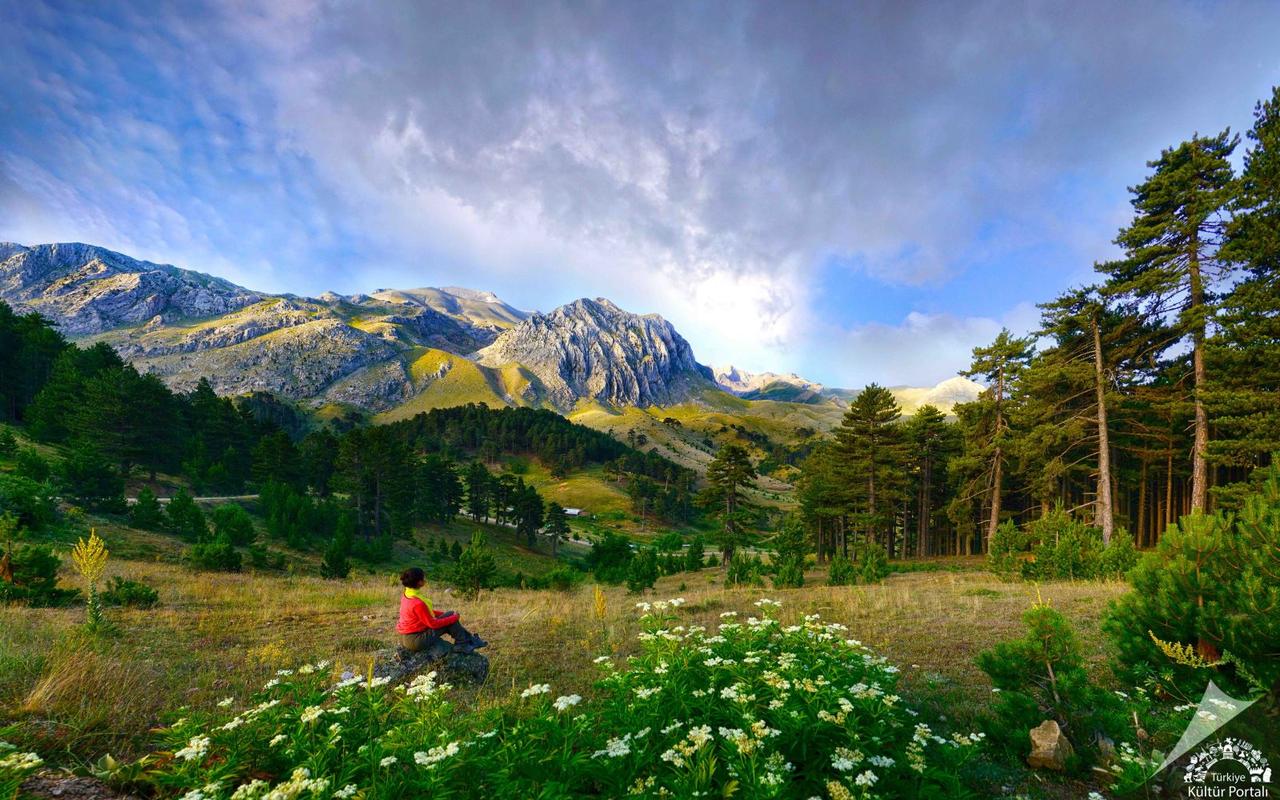
Dedegöl Mountain (Türkiye Culture Portal)
Dedegöl Mountain offers suitable trails for hiking, camping and climbing. Climbing is typically preferred during the summer months, but winter climbing is also possible on its snow-covered slopes. Every year in May, the Mountaineering Festival is held at Melikler Plateau, where climbers from all over Türkiye set up camps and attempt summit ascents. The festival lasts three days, with summit climbing being a central component.
The mountain also has significant potential for rock climbing. It is listed in the international climbing guide “Parois de Legende” due to its continuous rock faces, which extend 500–600 metres in length.
No formal conservation initiatives are currently known in the region. The forest cover is under continuous threat from logging and is gradually declining. Grazing pressure damages low-altitude plant communities and hinders the regeneration of new trees.

Geological and Geomorphological Features
Geological Formations
Biological Diversity
Plant Species
Animal Species
Uses and Economic Activities
Mountaineering and Recreational Activities
Threats and Conservation Status