



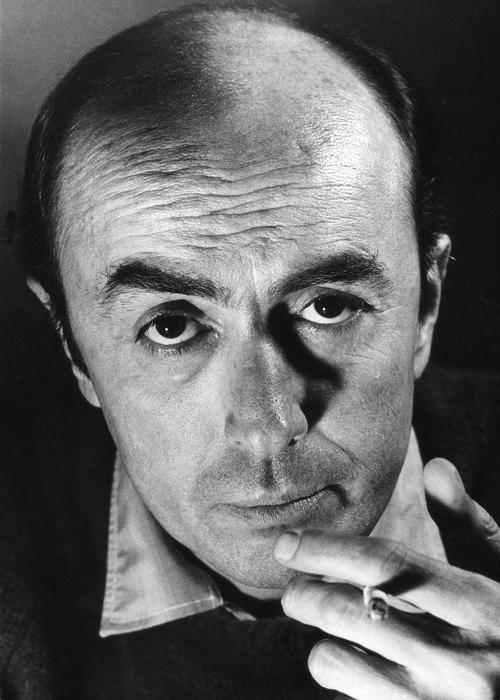
Ömer Edip Cansever
Doğum Tarihi | 1928-08-08 | ||||||||
|---|---|---|---|---|---|---|---|---|---|
Ölüm Tarihi | 1986-05-28 | ||||||||
Place of Birth | Beyazıt, Istanbul | ||||||||
Profession(s) | Poet Antiquarian | ||||||||
Omar Edip Cansever (1928–1986) is a poet and antiquarian and one of the representatives of the Second New movement important. His poetry explores the individual’s loneliness, social ties, and existential inquiries. He produced works in Turkish literature notable for their dramatic monologues and prose poetry structure. He published a total of 17 poetry collections and is recognized for introducing thematic and formal innovations to Turkish poetry modern.
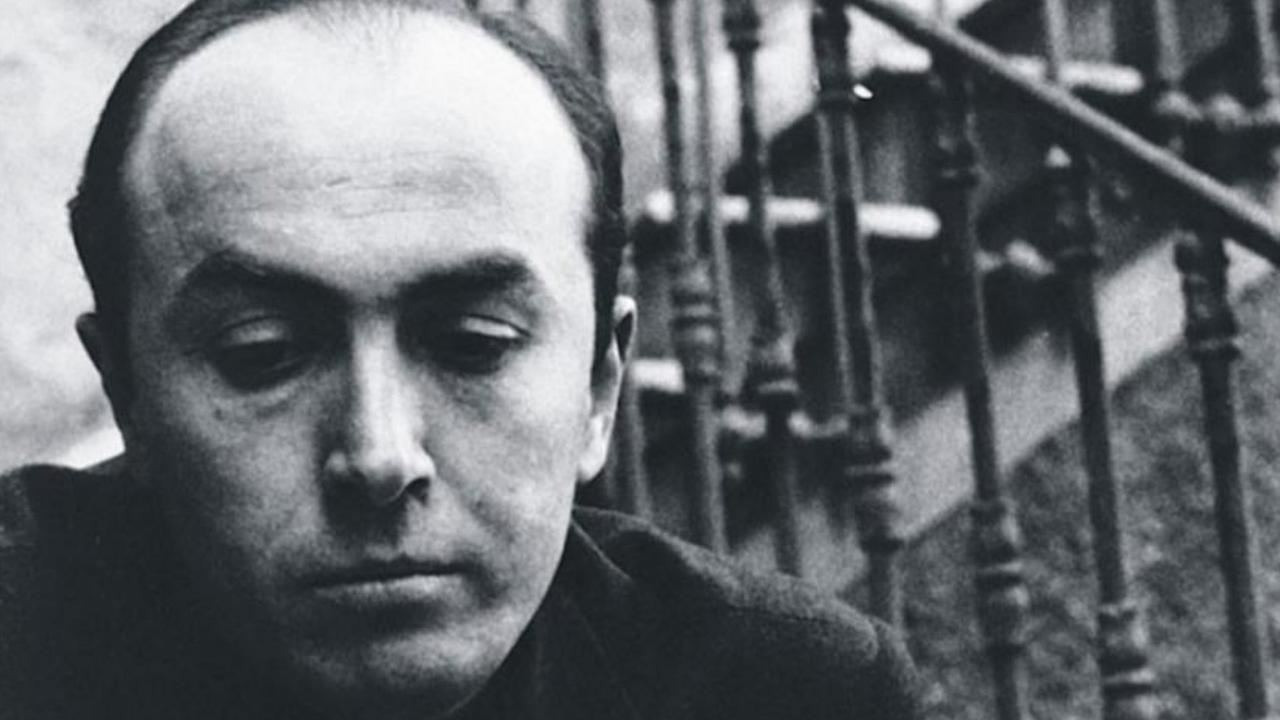
Edip Cansever - Kültür İstanbul
Edip Cansever was born on 8 August 1928 in the Beyazıt district of Istanbul. His father Fazlı was a merchant who operated a shop in the Grand Bazaar antique, and his mother Pembe Hanım was a homemaker. He was the third child and only son in a family of four children. His childhood years were spent in Saraçhanebaşı, during which time he became acquainted with the names of Ahmet Hamdi Tanpınar such as.
He completed his primary education at the 56th Primary School, his secondary education at Gelenbevi Middle School and Kumkapı Middle School, and his high school education at Istanbul Boys’ High School in 1946. Growing up in the literary atmosphere of Babıâli, Cansever began writing poetry during his high school years, and this interest gradually turned into a passion. He continued his higher education at the Higher Trade School but did not complete it.
After leaving his studies midway, Cansever began working in his father’s antique shop in the Grand Bazaar and practiced antiquarianism until 1976. In 1954, the shop was destroyed in a fire in the Grand Bazaar, after which he opened a new shop with his partner Jak Salhoşvili. During these years his interest in poetry intensified, and he focused on producing literary works on the upper floor of the shop.
Edip Cansever is one of the leading figures of the Second New movement in Turkish literature. His first poem was published in 1944, and his first book, İkindi Üstü, was published in 1947. This work bears the influence of the Garip movement. In the mid-1950s he turned toward the Second New and developed a poetic language rich in imagery and association complexity. He achieved major success with his 1957 publication Yerçekimli Karanfil, which was awarded the Yeditepe Poetry Prize in 1958.
In his poetry, Cansever addressed the loneliness of the individual, existential questioning, relationships with society, and the problems of modern humanity. He employed dramatic monologues and dialogues inspired by theater, placing emphasis on the long poetry form. The metaphor "hotel", frequently used in his poems, is one of the central images he employed to express the transience of the individual in the world. For this reason, he became known in literary circles as the "Poet of Hotels".
Edip Cansever published a total of 17 poetry books.
Edip Cansever received numerous awards for his works:
In 1976, Edip Cansever abandoned antiquarianism and devoted himself entirely to poetry. In the final years of his life, he spent winters in Istanbul and summers with his wife along the Mediterranean coast. In 1986, while on vacation in Bodrum, he suffered a brain hemorrhage, was treated in Istanbul, and died on 28 May 1986 at the age of 58. He is buried in Aşiyan Cemetery.
As one of the foremost figures of the Second New movement, Edip Cansever made significant contributions to modern Turkish poetry. By exploring the psychological depth of the individual and their social connections, he introduced a new perspective to modern Turkish literature. His works continued to exert influence after his death, were adapted for the theater, and became subjects of academic study. Gül Dönüyor Avucumda, published posthumously, is among his most important works. He is regarded as one of the most innovative and influential figures in modern Turkish poetry.
Anadolu Ajansı. "Kendine Özgü Bir Şiir Dünyası Kuran Anlatıcı Şair: Edip Cansever." Accessed January 2025. https://www.aa.com.tr/tr/kultur-sanat/kendine-ozgu-bir-siir-dunyasi-kuran-anlatici-sair-edip-cansever/2255788.
Biographies. "Edip Cansever." Accessed January 2025. https://www.biyografiler.com/kimdir/edip-cansever.
Turk Edebiyatı İsimler Sözlüğü. "Edip Cansever." Accessed January 2025. https://teis.yesevi.edu.tr/madde-detay/cansever-edip.
Yapı Kredi Yayınları. "Edip Cansever Biyografisi." Accessed January 2025. https://www.yapikrediyayinlari.com.tr/yazarlar/edip-cansever.
İstanbul Kültür Sanat Vakfı. "İkinci Yeni’nin Temsilcilerinden Edip Cansever." Accessed January 2025. https://kultur.istanbul/ikinci-yeninin-temsilcilerinden-edip-cansever/.

Ömer Edip Cansever
Doğum Tarihi | 1928-08-08 | ||||||||
|---|---|---|---|---|---|---|---|---|---|
Ölüm Tarihi | 1986-05-28 | ||||||||
Place of Birth | Beyazıt, Istanbul | ||||||||
Profession(s) | Poet Antiquarian | ||||||||
Life
Literary Career
Works
Awards
Final Years and Death
Legacy