


This article was automatically translated from the original Turkish version.
+2 More
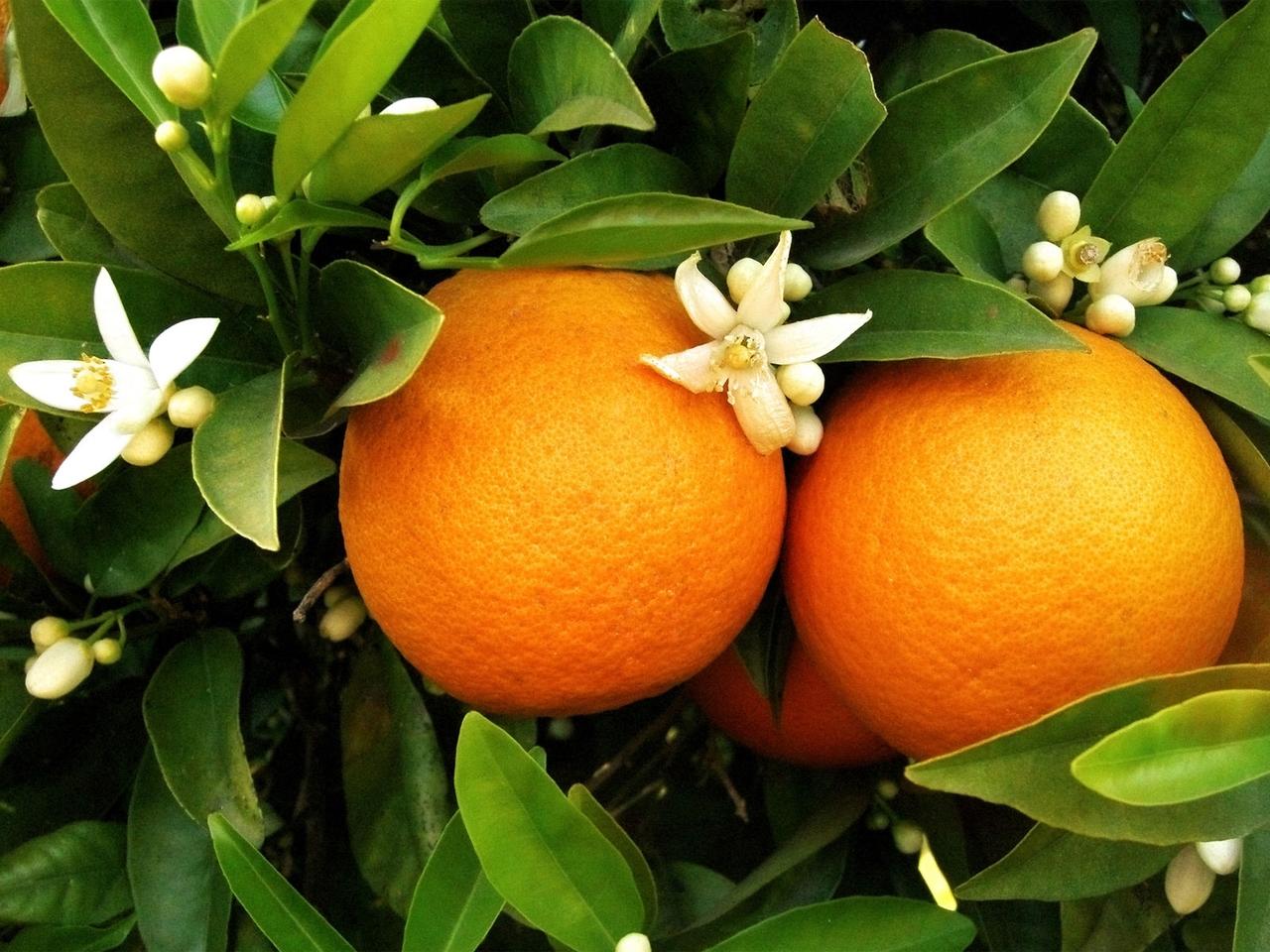
Antalya Finike orange is a citrus variety grown in the Finike district of Antalya Province, Türkiye, and is registered with geographical indication status. This orange, belonging to the Washington Navel type, possesses a distinct aroma, quality, and color compared to oranges cultivated in other regions, due to the region’s unique soil structure, alluvial deposits carried by the Akçay and Alakır streams, and the microclimate created by the surrounding mountains. The seedless nature, distinct number of segments, and balanced acid-sugar ratio make the Finike orange particularly appealing, and it reaches its optimal consumption period for both domestic and export markets during December, January, and February. Its production relies on meticulous care, irrigation, pruning, and fertilization processes, and is the product of a tightly monitored agricultural tradition.
Antalya Finike Orange (Ministry of Culture and Tourism of the Republic of Türkiye)
The Washington Navel orange cultivated in the Finike region exhibits several distinctive features compared to oranges produced elsewhere. The Akdağ mountain to the north and the Gülmez Mountain to the west are key geographical elements shaping the local agricultural environment. Alluvial deposits transported by the Akçay and Alakır streams have altered the soil composition over the years, resulting in a unique combination of air, water, and soil conditions. Seedlings of the same variety planted in other regions fail to develop the same color, quality, and aroma as those grown in Finike.
The average fruit weight of Finike oranges is 237.69 grams. The fruits measure an average of 78.36 mm in length and 77.53 mm in width, with a peel thickness of 5.26 mm. Each orange contains an average of 10.25 segments and has zero seeds. The dry matter content is 12.4%. The fruit is rich in minerals and vitamins. Harvested fruits reach ideal conditions for domestic consumption and export during December, January, and February.
The orange tree consists of roots, trunk, branches, and leaves. Orchard establishment is carried out using healthy, virus-free seedlings. Grafting is typically performed on citrus rootstocks at a height of approximately 30 cm above ground level. As the trees grow and reach a height of around 80 cm, their branches spread outward and upward in a parasol shape.
Trees generally begin producing fruit at the age of four to five years, during which time the trunk thickens. Internal branches are pruned to allow for broader growth. By the time trees reach 10 to 12 years of age, the trunk diameter reaches approximately 20 cm. Fruits initially appear green and begin turning yellow, then orange, starting in November.
The composition of Finike oranges includes the following:
The planting spacing of orange trees varies depending on terrain slope, soil structure, and rootstock used. Generally, planting is carried out at intervals of 6.5 × 6.5 meters, 6 × 6 meters, or 6 × 7 meters. Trees begin flowering in April, depending on climatic conditions.
Fertilization and weed control commence in March. This includes the application of herbicides containing sulfosate or glyphosate-isopropylamine. Irrigation begins in April. Frequency of irrigation varies according to soil properties, with 5 to 8 sprinkler irrigations applied annually. In some areas, drip or spring irrigation systems are used to increase yield. Pruning is conducted in April to direct branch growth.
Summer fertilization is applied in June, prior to irrigation and weeding operations. Fruits develop from May onward and reach full size by November. With the onset of autumn rains, fruits lose their green color and turn orange, becoming harvestable from November onward.
At the end of October, after the first autumn rains, trees are sprayed with copper oxychloride containing 50% metallic copper to protect against increased humidity and fungal diseases during winter months. Spring fertilization is applied in February and March, while summer fertilization is applied at the beginning of June. Fertilizer quantities are determined based on soil and leaf analysis results.
Fruits can remain on the tree until December, January, and February, depending on natural conditions. Alternatively, fruits harvested in December can be stored in cold storage facilities at 5°C for approximately one month. Products can be packaged in various types of packaging according to the demands of consumers and buyer companies. Typically, they are packed in 2 kg nets, 16 kg crates, or 18–22 kg crates. Producers and packaging companies use their own brands or licensed packaging. For shipments made under the cooperative’s name, packaging bearing the cooperative’s logo is preferred.
Harvested oranges are transported to packing facilities, where they are washed and cleaned. They are then shipped to market in 12–13 kg packages.
Compliance of Finike oranges with established technical specifications is monitored under the coordination of the Finike Fruit Growers Union. The inspection process involves the Union Management Board, Finike Chamber of Agriculture, Turunçova Municipality, Antalya Directorate of Agriculture and Forestry, Ministry of Agriculture and Forestry, Antalya Western Mediterranean Agricultural Research Institute, and Kumluca Chamber of Commerce. Inspections are conducted twice annually by commissions of at least three members, consisting of expert engineers and local producers. Additional inspections may be carried out as needed or upon complaint, in accordance with Decree Law No. 555.

Geographical and Environmental Characteristics
Physical and Chemical Characteristics
Product Definition and Botanical Characteristics
Composition Characteristics
Production Method
Storage Conditions
Harvest and Shipment
Inspection Process