


This article was automatically translated from the original Turkish version.
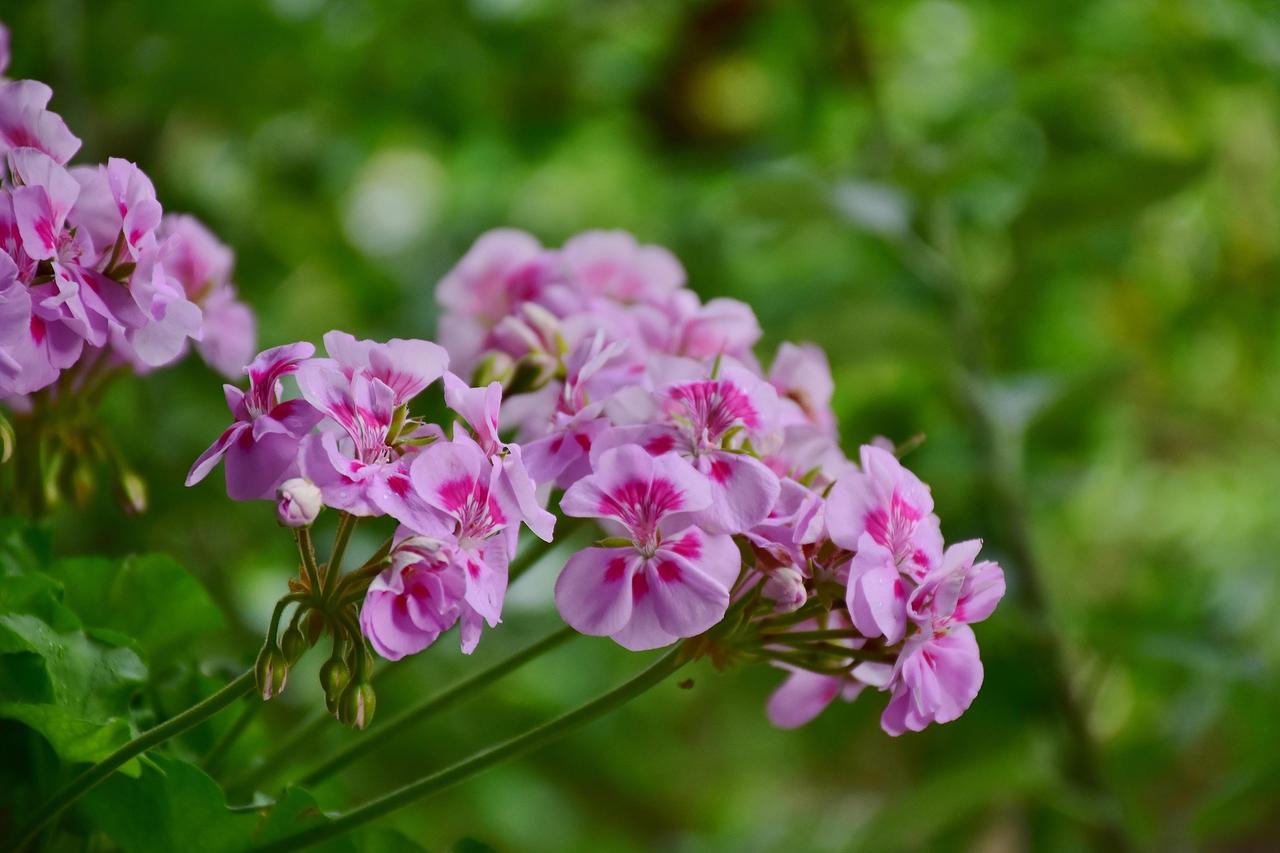
Pelargonium, a genus within the Geraniaceae (cranesbill) family, consists mostly of perennial herbaceous or semi-woody plants. This genus includes approximately 280–300 species, primarily concentrated in southwestern South Africa but also naturally occurring in regions such as Australia, Namibia, and the Middle East. Various species are widely cultivated around the world as ornamental plants.
Pelargonium species typically grow to a height of 20–100 cm. Their stems are fleshy. Leaves are lobed or divided, with a hairy surface, and in some species exhibit distinct aromatic scents. Flowers are pentamerous, zygomorphic (asymmetrical), and brightly colored. The color range includes red, pink, white, purple, and lilac tones. Flowering usually occurs during spring and summer.
The genus Pelargonium is distinguished from Geranium by floral structure (hypanthium, zygomorphic) and chromosomal characteristics. Among the most well-known species are:
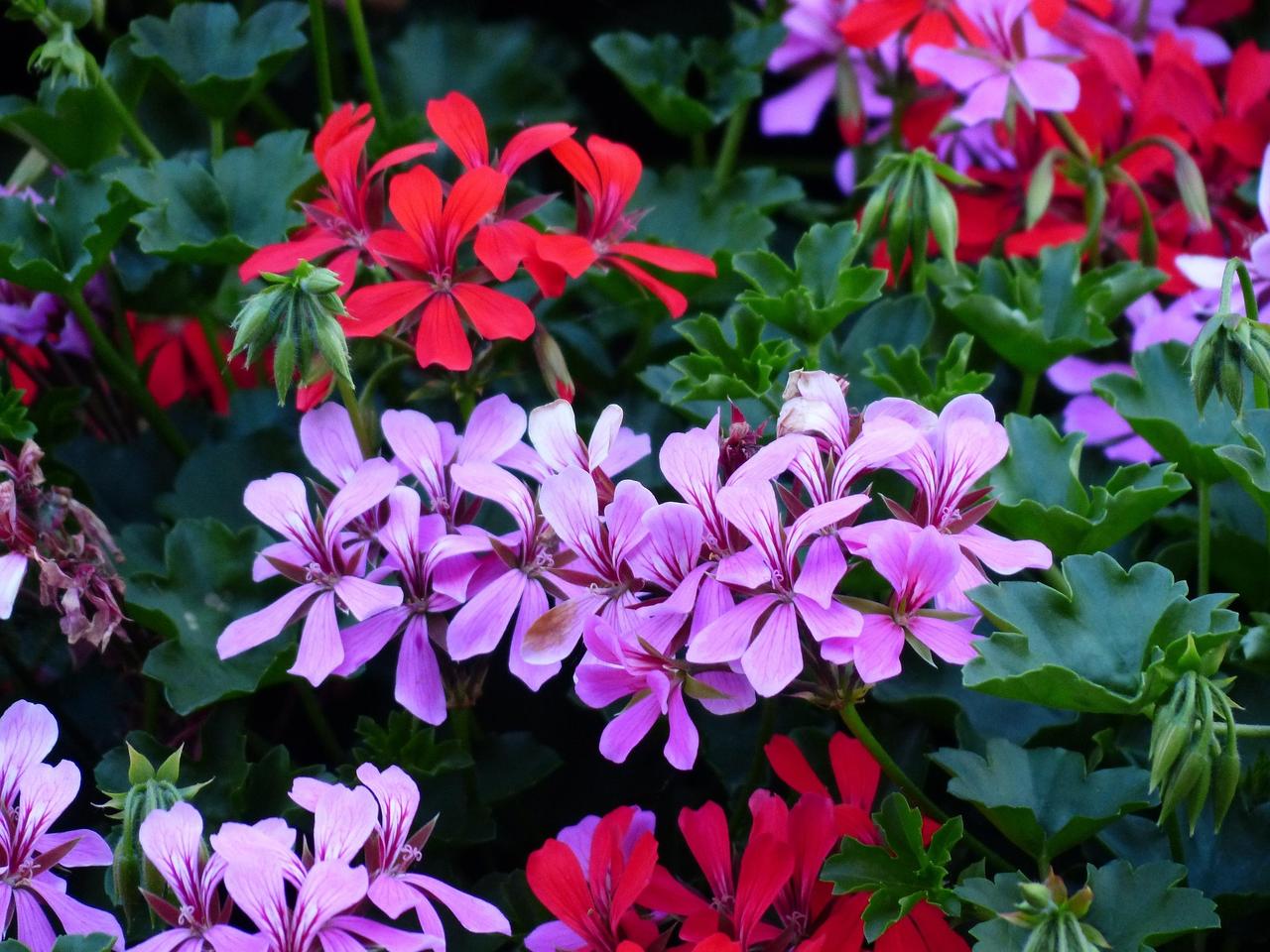
Garden geranium (Pixabay)
Two Pelargonium species occur naturally in Türkiye:
Pelargonium species are drought-tolerant and prefer well-drained soils and sunny environments. Overwatering can lead to root rot. They can be grown outdoors in temperate regions; in areas with frost risk, indoor or greenhouse conditions are recommended.
Pelargonium species are widely used in landscape architecture and for decorating gardens and balconies. Essential oils extracted from species such as P. graveolens are valuable in perfumery and aromatherapy. In Türkiye, the potential of native species for both ornamental and folk medicinal uses has been identified.
Geraniums are propagated by seed or more commonly by cuttings. Domestic variety development efforts in Türkiye began in the 2020s, testing hybrid combinations between the classic species P. alchemilloides, P. peltatum, and P. zonale. Germination rates of hybrid seeds varied between 0% and 100%. The most successful cross was P. alchemilloides × P. zonale (A504 × Z6), yielding an average of 3.67 seeds per fruit.

No Discussion Added Yet
Start discussion for "Geranium (Pelargonium spp.)" article
Morphological Characteristics
Taxonomy and Species Diversity
Natural Species in Türkiye
Ecological Adaptation
Uses
Breeding and Cultivation Techniques