


This article was automatically translated from the original Turkish version.
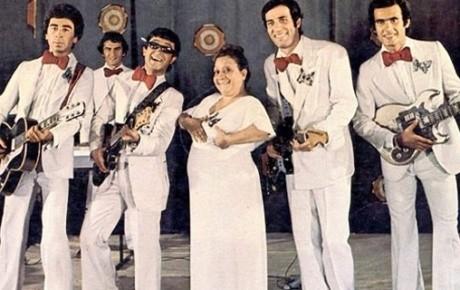
Hababam Class (Film)
Director(s) | Ertem Eğilmez | ||||||||
|---|---|---|---|---|---|---|---|---|---|
Screenwriter(s) | Umur Bugay (Original idea: Rıfat Ilgaz) | ||||||||
Lead Roles | Münir Özkul (Mahmut Hoca), Tarık Akan (Damat Ferit), Kemal Sunal (İnek Şaban), Adile Naşit (Hafize Ana) | ||||||||
Production Year | 1974 | ||||||||
Duration | 1 hour 30 minutes | ||||||||
IMDb Rating | 9.2/10 | ||||||||
Genre | Dramatic Comedy | ||||||||
Hababam Sınıfı is one of the most beloved and culturally iconic dramatic comedies in Turkish cinema, released in 1975. Directed by Ertem Eğilmez, the film is adapted from Rıfat Ilgaz’s novel of the same name. Produced and distributed by Arzu Film, it features prominent figures of Turkish cinema including Münir Özkul, Tarık Akan, Kemal Sunal, Adile Naşit and Şener Şen. Set in Özel Çamlıca Lisesi, the story follows a group of mischievous students through a series of both humorous and emotionally resonant adventures. The film premiered in Türkiye on 1 April 1975 and is regarded as a landmark in Turkish cinematic history.
Hababam Sınıfı tells the story of a group of students at Özel Çamlıca Lisesi known for their mischief and laziness. Characters such as Damat Ferit, İnek Şaban, and Güdük Necmi disrupt school order with their sharp wit and antics, outsmarting their teachers. However, this cheerful chaos is challenged by the arrival of Mahmut Hoca (Münir Özkul), a disciplined and intelligent educator appointed as vice principal. Mahmut Hoca responds to the students’ misbehavior with a firm yet paternal approach, imparting unforgettable life lessons. While offering a critical perspective on the education system, the film explores themes of friendship, solidarity, and personal growth.
Hababam Sınıfı Trailer (My Türkiye with Spaces)
Hababam Sınıfı was filmed in Istanbul in 1974. The screenplay, written by Umur Bugay, is based on Rıfat Ilgaz’s 1957 novel. Under the direction of Ertem Eğilmez and the production approach of Arzu Film, the movie achieved a delicate balance of humor and emotion despite its low budget. Most scenes were shot at Adile Sultan Kasrı and various high schools across Istanbul, authentically capturing the educational atmosphere of the era. Cinematographer Hüseyin Özşahin’s use of natural light and minimalist set designs enhanced the film’s authentic and intimate tone. The music was composed by Melih Kibar, and the “Hababam Sınıfı March” has become an iconic piece in Turkish popular culture.
Critique of the Education System: The film presents a critical stance toward rigid and formalistic education. The students of Hababam Sınıfı resist the constraints of rote learning through intelligence and creativity, while Mahmut Hoca’s approach demonstrates that true education is possible through love and understanding.
Friendship and Solidarity: The unbreakable bond among the students forms the emotional core of the film. Beneath their mischievous behavior lies loyalty and mutual support, delivering a heartfelt message about friendship to the audience.
Social Humor and Nostalgia: Hababam Sınıfı humorously reflects the social and cultural fabric of 1970s Türkiye. Each character embodies a distinct social archetype of the era, contributing to the film’s enduring status as a classic.
Hababam Sınıfı premiered in Türkiye on 1 April 1975 and attracted massive audience interest from its initial screenings. With over one million viewers at the box office, it became one of the most successful films of its time. Critics praised its humor and emotional depth. However, some educators criticized the film for glorifying student misbehavior. Over time, Hababam Sınıfı achieved cult status and became a phenomenon in Turkish cinema, with its lines and scenes frequently referenced in popular culture. Restored in the 2000s, the film reached new generations and continues to achieve high viewership rates on television broadcasts.
Although Hababam Sınıfı did not win any official awards in 1975, it has been regarded by Turkish cinema audiences as one of the most beloved films of all time. It was screened at the 12th Antalya Golden Orange Film Festival in 1975 but did not receive an award. Nevertheless, it has been honored in various retrospectives for its lasting contribution to Turkish cinema.
Beyazperde. "Hababam Sınıfı." Accessed May 2, 2025. https://www.beyazperde.com/filmler/film-186607/.
IMDb. "Hababam Sınıfı." Accessed May 2, 2025. https://www.imdb.com/title/tt0252487/?ref_=ls_t_2.
Mekanlarla Türkiyem. "HABABAM SINIFI FRAGMAN 1975." Mekanlarla Türkiyem YouTube Channel. Accessed May 2, 2025. https://www.youtube.com/watch?v=3A-JM0LVYjs.
Sinemalar.com. "Hababam Sınıfı." Accessed May 2, 2025. https://www.sinemalar.com/film/21304/hababam-sinifi.
Hababam Class (Film)
Director(s) | Ertem Eğilmez | ||||||||
|---|---|---|---|---|---|---|---|---|---|
Screenwriter(s) | Umur Bugay (Original idea: Rıfat Ilgaz) | ||||||||
Lead Roles | Münir Özkul (Mahmut Hoca), Tarık Akan (Damat Ferit), Kemal Sunal (İnek Şaban), Adile Naşit (Hafize Ana) | ||||||||
Production Year | 1974 | ||||||||
Duration | 1 hour 30 minutes | ||||||||
IMDb Rating | 9.2/10 | ||||||||
Genre | Dramatic Comedy | ||||||||
No Discussion Added Yet
Start discussion for "Hababam Sınıfı (Film)" article
Plot
Cast
Production
Thematic Structure
Release and Reception
Awards and Nominations