


This article was automatically translated from the original Turkish version.
+2 More
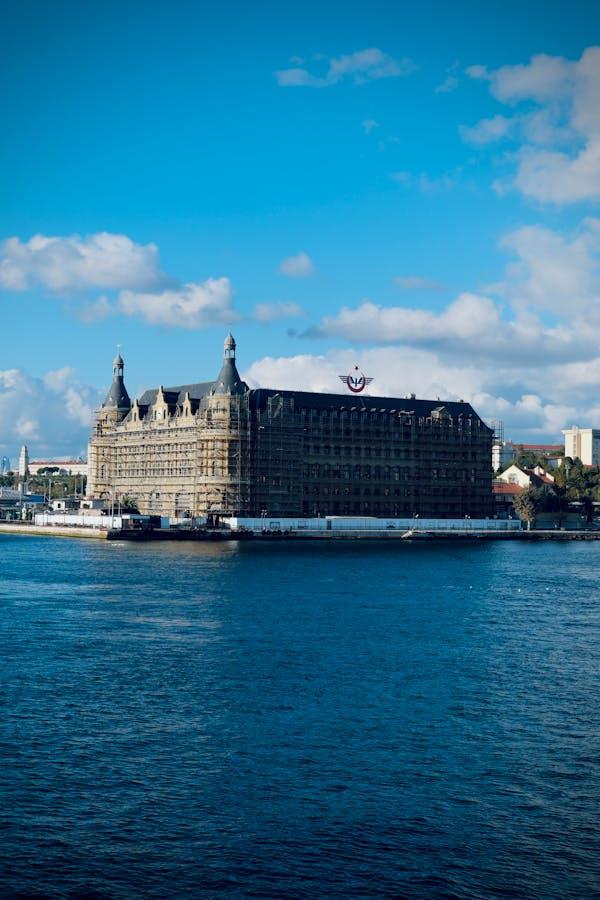
Haydarpaşa Station is a historic main railway station owned by the Turkish State Railways (TCDD), located in the Rasimpaşa neighborhood of the Kadıköy district on the Anatolian side of Istanbul. The current station building, which entered service in 1908, was constructed as the starting point of the Istanbul-Baghdad Railway line.
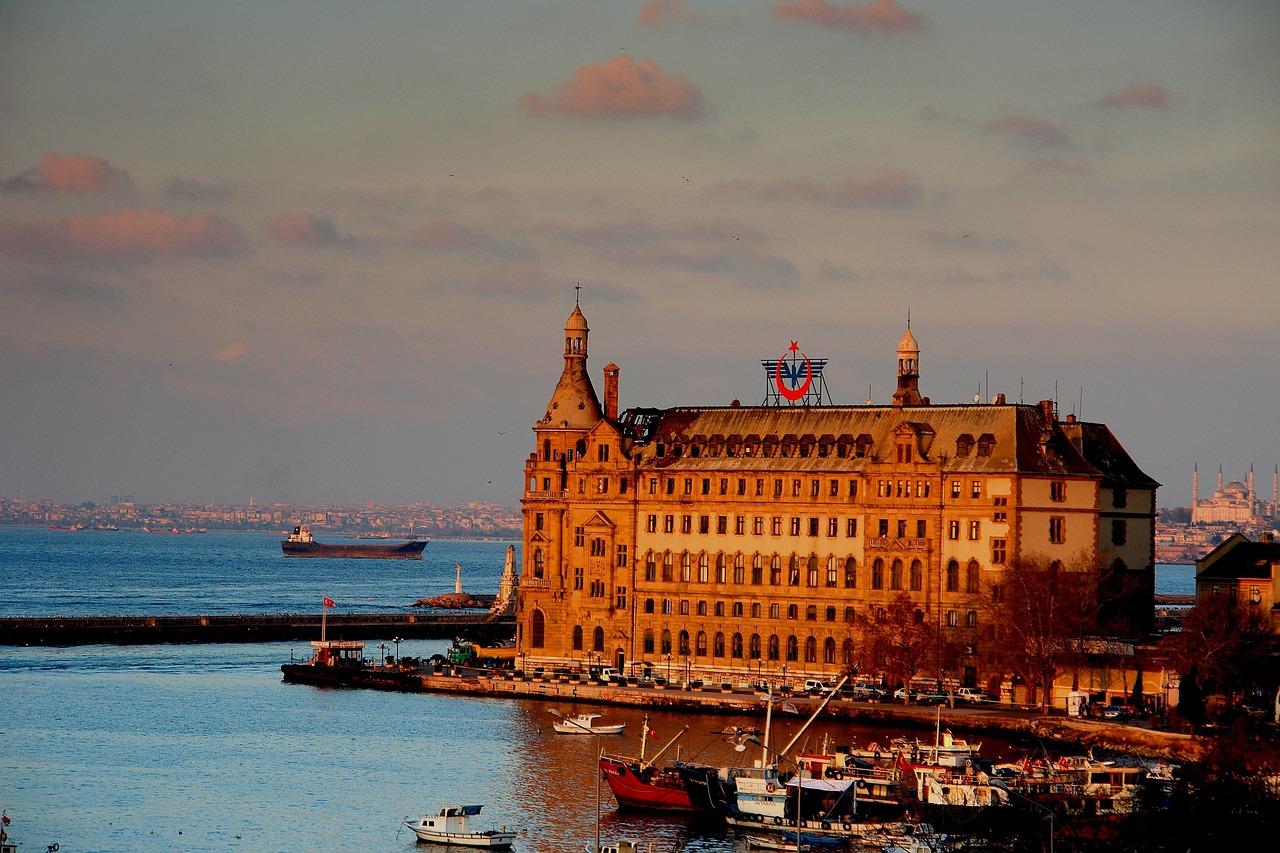
Haydarpaşa Station (Pixabay)
The history of Haydarpaşa Station began in 1871 during the Ottoman Empire with the construction of the Haydarpaşa-Izmit railway line. This first line was completed and opened for service in 1873. The initial station building, opened on 22 September 1872, consisted of a two-story central structure with a broken roof and single-story side wings. However, after sustaining damage in the 1894 earthquake, the structure was reinforced through various repairs and subsequently rebuilt to meet new requirements.
As the railway line operated by the Anatolian Railway Company (CFOA) expanded with the initiation of the Baghdad Railway Project, increasing passenger and freight traffic rendered the existing building inadequate. Consequently, construction of a new station building, designed by German architects Otto von Kühlmann and Hellmuth Cuno, began on 30 May 1906, and the building entered service on 19 August 1908. The official opening ceremony took place on 4 November 1909, the birthday of Sultan Mehmed V Reşad. In addition to German engineers, Italian stone masons also participated in the construction.
During World War I, in 1917, a fire caused by sabotage at the station’s ammunition depot inflicted major damage on the structure, which was later repaired in subsequent years. In 1924, with the nationalization of the company, the railway lines were transferred to the Directorate of State Railways and Ports, and subsequently in 1929 to the Turkish State Railways (TCDD).
Haydarpaşa Station was constructed in the Neo-Classical German architectural style. The building covers a total area of 3,836 square meters and consists of five floors. The ground floor is built upon 1,100 wooden piles, each 21 meters long, driven into the sea. The façades feature Hereke granite, Lefke stone, and Osmaneli stone.
The station’s façades are enlivened by rectangular windows and decorative columns. The two circular towers at either end of the building provide an aesthetic balance in accordance with the Neo-Classical sense of symmetry. The entrance hall, high-ceilinged waiting rooms, expansive platform areas, and loading platforms designed with the technology of the era combine functional utility with visual richness. Stained glass windows created by Otto Linneman added artistic value to the building; however, these were damaged in a tanker accident in 1979.

Haydarpaşa Station Interior Architecture (Anadolu Agency)
During the Republican era, Haydarpaşa Station played a central role for decades in freight and passenger transport along domestic Anatolian routes as well as international lines to Baghdad, Hejaz, and Ankara. It served as the starting point for major trains such as the Orient Express, Capital Express, Fatih Express, and Kurtalan Express.
In 1969, the station was modernized with electrification infrastructure and operated the Haydarpaşa-Gebze Commuter Train service until 2013. However, as part of the Marmaray and High-Speed Rail projects, train services were suspended on 19 June 2013 and fully discontinued on 24 July 2014. Subsequently, all services were transferred to Pendik, Söğütlüçeşme, and Halkalı stations.

Haydarpaşa Station Exterior Restoration (Pexels)
Haydarpaşa Station suffered severe damage in a fire on 28 November 2010, resulting in the collapse of its roof and rendering the upper floors unusable. Restoration efforts, initiated afterward, aim to preserve the building’s architectural integrity. During these works, archaeological remains belonging to the ancient city of Chalcedon were discovered beneath the platforms, and it was decided to develop the area into an archaeopark.
Various projects are currently underway to reopen the station for service. In accordance with an agreement between TCDD and the Ministry of Culture and Tourism, the station building and the surrounding 500-hectare area have been transferred to the Ministry of Culture for a period of 29 years. Under the terms of the agreement, railway tracks and platforms will continue to be used by TCDD, while the upper floors will house a library, exhibition spaces, and cultural projects.
Haydarpaşa Station is not merely a physical transportation structure; it holds a unique place in Istanbul’s urban memory as a symbol that lives within a broad cultural spectrum spanning cinema, poetry, photography, and collective memory.
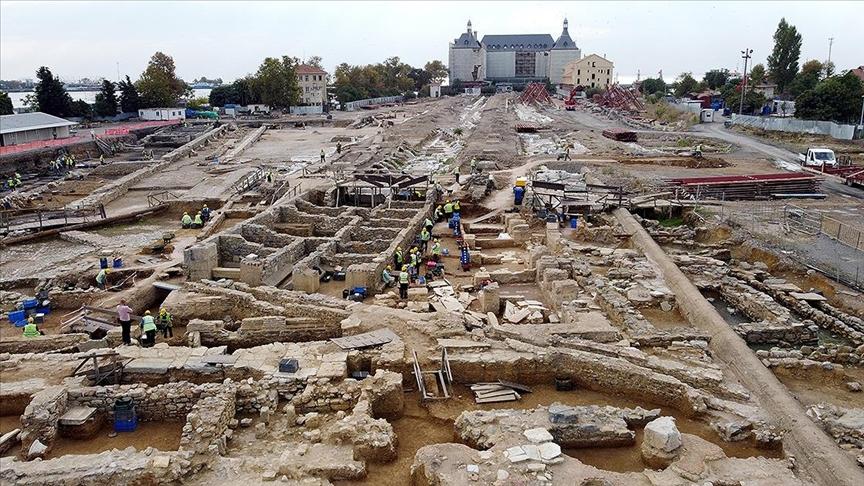
Chalcedon Ancient City Excavations (Anadolu Agency)
Anadolu Ajansı. “Haydarpaşa Garı'ndaki Arkeolojik Kazılarla Kadıköy'ün Tarihi Yeniden Yazılıyor.” Anadolu Ajansı, September 29, 2021. Accessed May 25, 2025. https://www.aa.com.tr/tr/kultur-sanat/haydarpasa-garindaki-arkeolojik-kazilarla-kadikoyun-tarihi-yeniden-yaziliyor/2389731
Anadolu Ajansı. “İstanbul'un Sembollerinden Tarihi Haydarpaşa Garı Restorasyonla Özgün Haline Kavuşuyor.” Anadolu Ajansı, December 10, 2023. Accessed May 25, 2025. https://www.aa.com.tr/tr/kultur/istanbulun-sembollerinden-tarihi-haydarpasa-gari-restorasyonla-ozgun-haline-kavusuyor/3056217
Kadıköy Kaymakamlığı Governorship. "Haydarpaşa Garı." Accessed May 25, 2025. http://www.kadikoy.gov.tr/haydarpasa-gari-ilcemiz
Türkiye Turizm Ansiklopedisi. "Haydarpaşa Tren Garı." Accessed May 25, 2025. https://turkiyeturizmansiklopedisi.com/haydarpasa-gari

History
Architectural Features
Function and Usage History
Current Status and Conservation Efforts