This article was automatically translated from the original Turkish version.
+1 More
Type of Geographical İndication | Mahreç Sign | ||||||||
|---|---|---|---|---|---|---|---|---|---|
Application Date | 21.06.1996 | ||||||||
Registration Number | 3 | ||||||||
Registration Date | 14.11.1997 | ||||||||
Product / Product Group(s) | Rugs and Kilims | ||||||||
Province(s) | Kocaeli | ||||||||
Applicant/Registrant(s) | Körfez Municipality | ||||||||
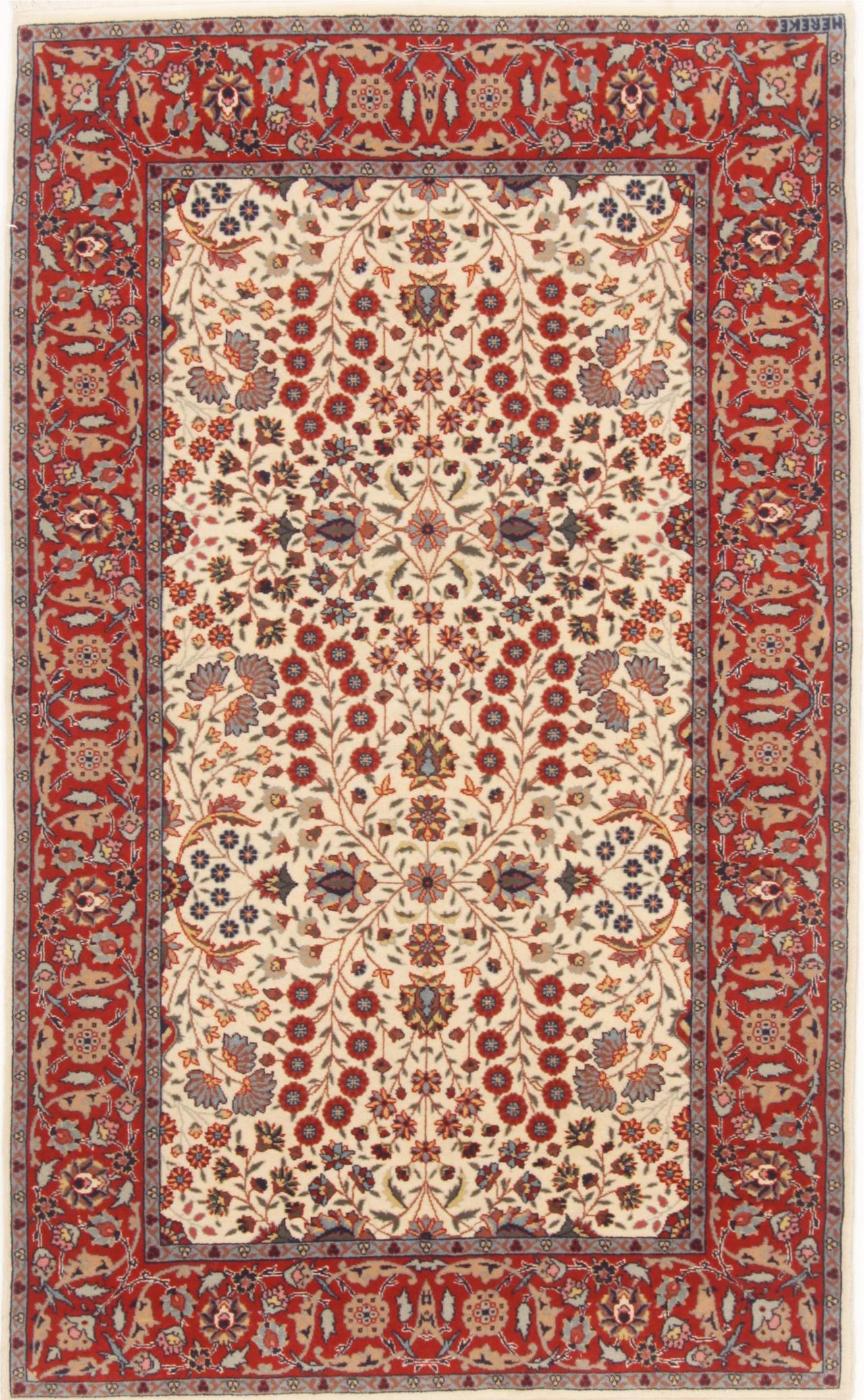
Hereke wool hand-knotted carpet, as a significant extension of the Ottoman palace weaving tradition, emerged in the 19th century in the town of Hereke, Kocaeli, and gradually became one of the most distinguished hand-knotted carpets in the world. This special carpet is renowned for both its aesthetic and technical qualities, distinguished from other hand-knotted carpets by the high quality of materials used and its original pattern compositions.

Hereke Carpet in the Peace Palace, The Hague (AA)
The foundations of Hereke carpet weaving were laid in 1843 with the establishment of the Hereke Imperial Factory by Sultan Abdülmecid. This industrial facility was built to meet the needs of the imperial palaces for carpets, upholstery fabrics, and curtains. The factory closed in 1878 due to a fire but reopened in 1882 and resumed operations. Carpet weaving began in 1891, with the initial weavings carried out by master artisans brought from regions known for their carpet-making traditions, such as Manisa and Gördes.
Hereke carpets quickly achieved production standards capable of competing with European carpets, winning awards at international fairs and becoming part of the Ottoman Empire’s export portfolio. Hereke carpets were prominently used in the decoration of many palaces, especially Dolmabahçe Palace.
The Hereke wool hand-knotted carpet is woven using the double knot technique, known as the Turkish knot. This technique enhances both the durability and longevity of the carpet. On average, there are 3,600 knots per square decimeter. The most common quality has a knot density of 60x60 knots per square decimeter, allowing for very fine and detailed motifs.
The materials used in weaving include:
The total material consumption of the carpet is approximately 6,050 grams per square meter.

Image from the Production Process (AA)
Traditional Ottoman and Anatolian motifs in Hereke carpets have been modernized and adapted. Floral motifs such as tulip, hyacinth, carnation, and goncagül are common. These motifs are typically arranged within a framework of the infinity theme, beginning from the carpet borders and returning to them, reflecting the mystical dimensions frequently found in Ottoman art.
The Hereke wool hand-knotted carpet is registered as a geographical indication under the mark of origin. It was officially announced in the Official Gazette on 01.09.1996 and registered on 14.11.1997 under Decree-Law No. 555 on the Protection of Geographical Indications. The registered owner is the Körfez Municipality.
The production process is continuously monitored by regional directorates, factory directorates, and quality control commissions during both production and marketing stages. Carpets that do not meet the technical specifications defined under the geographical indication are not permitted to use the name “Hereke”.
Hereke carpets are not merely craft products; they are also carriers of traditional Turkish carpet weaving and elements of cultural heritage. Reflecting the aesthetic sensibility of the Ottoman era, Hereke carpets continue to be valued objects by collectors and art enthusiasts today. Traditional production techniques are preserved through the transmission of artisanal knowledge from generation to generation.
Anadolu Ajansı. “Aksaray’da Restore Edilen 114 Yıllık Hereke Halısı, Lahey Barış Sarayı’na Teslim Edildi.” Accessed July 10, 2025. https://www.aa.com.tr/tr/kultur/aksarayda-restore-edilen-114-yillik-hereke-halisi-lahey-baris-sarayina-teslim-edildi/3446464
Anadolu Ajansı. “Basıldıkça Güzelleşen Halıların Üretildiği Fabrika: Hereke.” Accessed July 10, 2025. https://www.aa.com.tr/tr/yasam/basildikca-guzellesen-halilarin-uretildigi-fabrika-hereke/1356508
Körfez Kaymakamlığı. "Hereke Halısı." Accessed July 10, 2025. http://www.korfez.gov.tr/hereke-halisi
Turk Patent and Trademark Office. "Hereke Yün El Halısı." Accessed July 10, 2025. https://ci.turkpatent.gov.tr/cografi-isaretler/detay/37866

Type of Geographical İndication | Mahreç Sign | ||||||||
|---|---|---|---|---|---|---|---|---|---|
Application Date | 21.06.1996 | ||||||||
Registration Number | 3 | ||||||||
Registration Date | 14.11.1997 | ||||||||
Product / Product Group(s) | Rugs and Kilims | ||||||||
Province(s) | Kocaeli | ||||||||
Applicant/Registrant(s) | Körfez Municipality | ||||||||
No Discussion Added Yet
Start discussion for "Hereke Wool Hand-Knotted Rug" article
Historical Background
Technical Features
Pattern and Motif Structure
Monitoring and Protection
Cultural and Artistic Significance