


This article was automatically translated from the original Turkish version.
+2 More
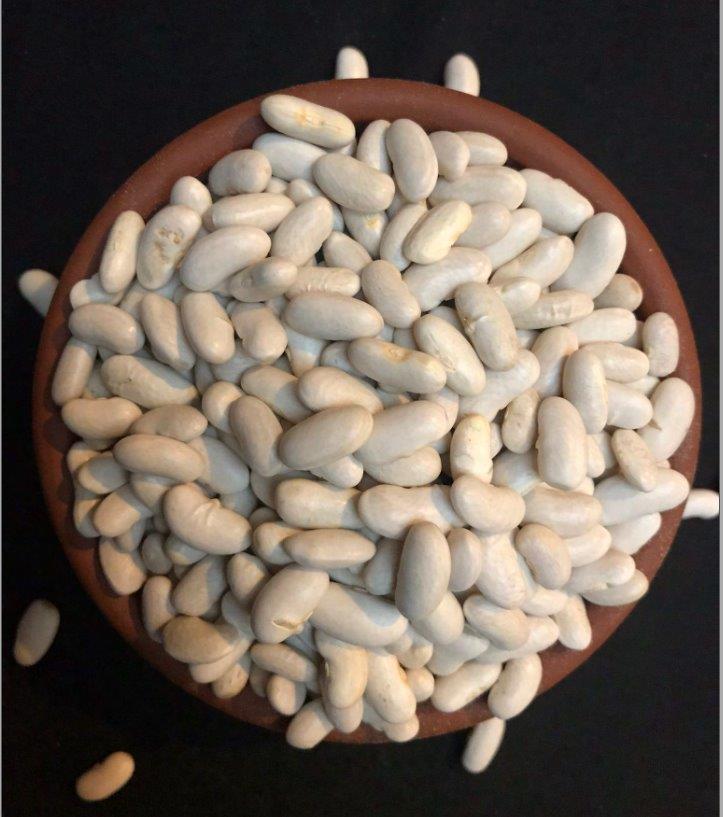
İnegöl Cerrah dried bean is a white-colored, dermason-type variety of Phaseolus vulgaris L. that has been cultivated for many years in the İnegöl district of Bursa Province, Türkiye, particularly around the Cerrah Neighborhood. This product, registered with a geographical indication mark, is obtained from a plant with fibrous roots and a relatively short stature. It is grown in well-drained, mineral- and organic-rich soils under warm climatic conditions. Cultivation is preferably carried out on fallow or crop-rotated land; appropriate irrigation, fertilization, and agricultural protection measures are applied between sowing and harvest. Harvesting is typically done by hand in August–September, after which the beans are dried in the sun or in drying tunnels before being marketed.
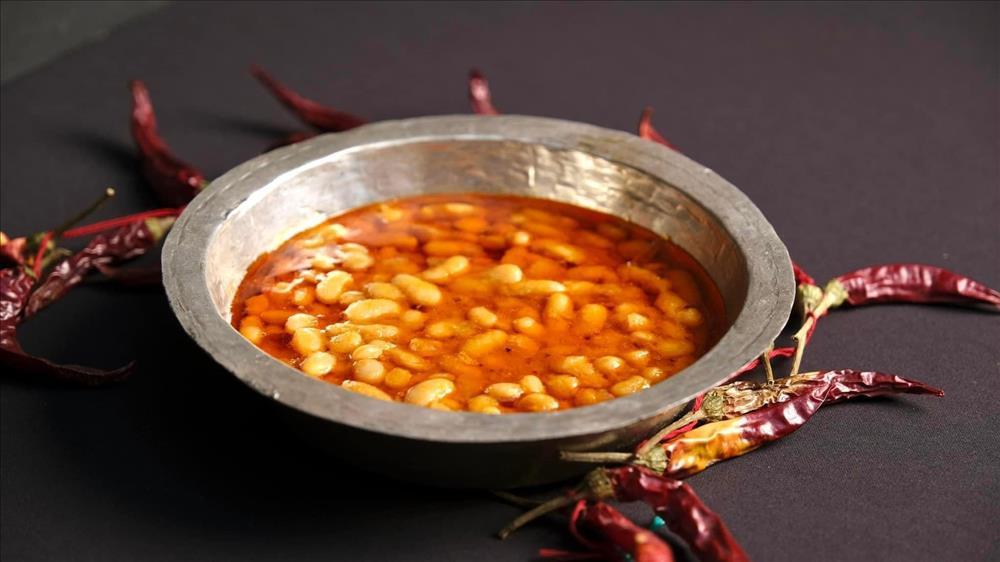
İnegöl Cerrah Dried Bean (İnegöl Municipality)
İnegöl Cerrah dried bean is a variety of edible legume belonging to the dermason type with the Latin species name Phaseolus vulgaris L. Registered with a geographical indication mark, this product is closely associated with the Cerrah Neighborhood in the İnegöl district of Bursa Province, Türkiye, and has long been known for its region-specific production. It was officially registered under number 1373 on 6 June 2023. The application, numbered C2022/000095, was submitted on 7 March 2022. The registering authority is the İnegöl Municipality, located at Sinanbey Neighborhood, Nuri Doğrul Street, No:1, İnegöl, Bursa.
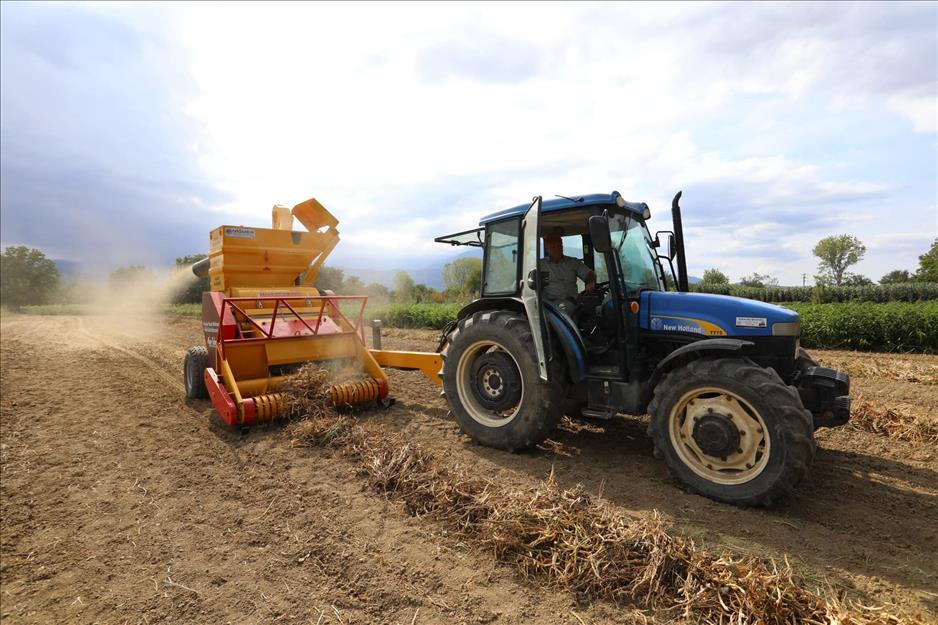
İnegöl Cerrah Dried Bean (İnegöl Municipality)
İnegöl Cerrah dried bean is cultivated exclusively within the boundaries of the İnegöl district of Bursa Province and on its agricultural lands. The geographical boundary is defined by soils rich in mineral and organic matter with high permeability. The İnegöl district features agricultural lands supported by alluvial soils fed by multiple rivers and other water sources.
The plant has fibrous roots and a relatively short stature, making it well suited to warm climatic conditions. The total growth period varies between three and four months depending on climate and cultivation conditions. Raw dried beans have a moisture content of no more than 14% and possess white, dermason-type seeds.
Preferred soils for cultivation are deep, loamy or sandy-loamy, rich in organic and mineral substances, and highly permeable. The bean plant is sensitive to soil salinity. The optimal growth temperature range is 16–24°C, with the ideal germination temperature between 18–20°C. The plant is sensitive to frost and therefore suitable for cultivation in areas with a frost-free period of 100–120 days. Temperatures exceeding 30°C accelerate flower drop, while temperatures above 35°C significantly reduce seed set.
For İnegöl Cerrah dried bean, fields left fallow or under crop rotation are selected for sowing. Production can be carried out in open fields or under greenhouse conditions. The soil is deeply plowed with a moldboard plow during September–November to aerate it and retain winter rainfall. If this plowing cannot be done, a March plowing is also considered sufficient. Appropriate herbicides are applied to control weeds and incorporated into the soil using cultivators. At the beginning of May, the field is leveled using harrows and cultivators prior to sowing. Due to the risk of agricultural frost in early April and May in the region, sowing typically begins in the first half of May and is completed no later than the first week of June. Row sowing is performed using a seed drill at a rate of 8–10 kg per hectare, with row spacing of 45 cm and plant spacing within rows of 10–15 cm. The bean crop reaches harvest maturity in approximately three to four months depending on climate and cultivation conditions.
Suitable soil structure for cultivation includes deep, loamy or sandy-loamy soils rich in organic and mineral matter with high permeability. The bean plant is sensitive to soil salinity. The ideal temperature range for growth is 16–24°C, classifying it as a warm-climate crop. The optimal germination temperature is 18–20°C, and the plant is sensitive to frost. It can be cultivated in areas with a frost-free period of approximately 100–120 days. Temperatures up to 30°C are acceptable; above this level, flower drop increases, and temperatures exceeding 35°C significantly reduce seed set. The best cultivation results are achieved in climates where germination occurs under warm conditions and flowering under cooler conditions.
Soil and leaf analyses are recommended to determine fertilizer requirements. Although farmers may apply various fertilization methods, farmyard manure or commercial fertilizers may be used. Base fertilization before sowing is recommended, with additional applications during the stem elongation, seed formation, and seed drying stages.
The bean plant is sensitive to water stress; therefore, regular and controlled irrigation is essential. Yield losses occur if irrigation is poorly timed, insufficient, or excessive. Recommended irrigation methods include sprinkler, drip, and furrow irrigation. Drip irrigation is preferred due to its efficient water use and reduction of plant diseases. The plant is most sensitive to water stress during pod formation, the onset of flowering, and the beginning of milk stage in seeds. As this is a summer crop, most of its water requirement is met through irrigation. Climate conditions, wind, temperature, and soil properties determine irrigation needs. Irrigation must be balanced to avoid waterlogging. The highest water demand occurs in June and July.
Seeds used for planting are selected from healthy, disease-free plants. Seedlings must be established in disease-free areas, not overwatered, and adequately ventilated. When necessary, chemical control measures using plant protection products compliant with regulations are applied against weeds, pests, and diseases.
Bean plants, having reached sufficient maturity, are harvested in August–September. Harvesting is typically done by hand, although suitable agricultural machinery and equipment may also be used. Harvested plants are arranged in bundles on the field rows and dried in the sun for 10–15 days. After drying, the beans are separated from stems, leaves, and other plant debris through threshing, winnowing, and sieving, then dried further on food-safe canvas sheets under the sun. Alternatively, drying tunnels may be used.
Dried beans are stored in containers or sacks suitable for food contact. It is essential that the product reaches the market promptly. Until delivered to the consumer, products must be stored in cool, dry, clean, and odor-free environments.
İnegöl Cerrah dried bean is marketed in bulk or in food-safe packaging with labeling compliant with applicable food regulations.
Inspections are conducted by a minimum three-member inspection body coordinated by the İnegöl Municipality and involving the İnegöl District Directorate of Agriculture and Forestry. Inspections are carried out at least once annually and may be conducted additionally upon complaint or need. Inspection reports are submitted annually to the Turkish Patent and Trademark Office. Inspections assess compliance with production methods and evaluate harvesting, drying, storage, and preservation conditions. Any non-conformities identified during inspections and the necessary corrective measures are communicated to the relevant individual, institution, or organization. The inspection body may receive support or procure services from public or private institutions or their qualified experts. The registering authority is responsible for initiating legal proceedings to protect the rights associated with the product.
Türk Patent ve Marka Kurumu. “İnegöl Cerrah Kuru Fasulyesi.” Accessed May 31, 2025. https://ci.turkpatent.gov.tr/cografi-isaretler/detay/6223.
Türk Patent ve Marka Kurumu. “İnegöl Cerrah Kuru Fasulyesi.” Türk Patent ve Marka Kurumu. Accessed May 31, 2025. https://ci.turkpatent.gov.tr/Files/GeographicalSigns/29841492-888f-4d5e-95e1-6446d2f78b95.pdf.
İnegöl Municipality. "İnegöl Belediyesi’nden Cerrah Kuru Fasulyesine Dev Katkı." İnegöl Belediyesi. Accessed May 31, 2025. https://www.inegol.bel.tr/guncel/haberler/inegol-belediyesi-nden-cerrah-kuru-fasulyesine-dev-katki/?ai=13145.

No Discussion Added Yet
Start discussion for "İnegöl Cerrah Dried Beans" article
Classification
Geographical Boundary and Cultivation Area
Botanical and Physical Characteristics
Soil and Climate Requirements
Production Method: Production Stages
Field Preparation
Soil and Climate Conditions
Fertilization
Irrigation
Agricultural Protection
Harvesting and Drying
Storage and Preservation
Market Placement
Inspection and Control