


This article was automatically translated from the original Turkish version.
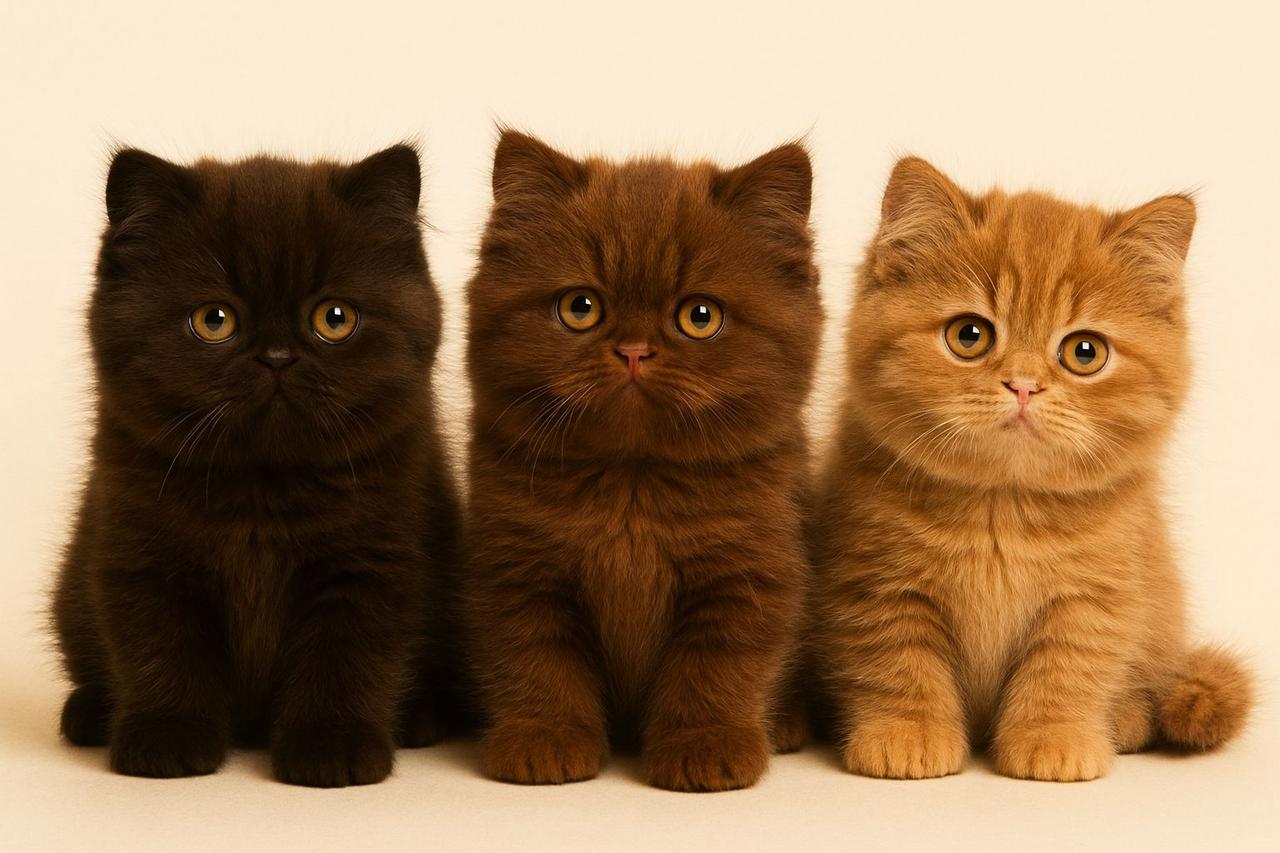
Iranian Cat
Full Breed Name | Iranian Cat | ||||||||
|---|---|---|---|---|---|---|---|---|---|
Breed Name | Felis catus | ||||||||
Family | Felidae | ||||||||
Subfamily | Felinae | ||||||||
Origin(s) | Iran | ||||||||
Recognition Year | 1871 | ||||||||
Average Weight | Male: 4–5.5 kg / Female: 3–4.5 kg | ||||||||
Facial Structure | Brachycephalic (flat face, short nose) | ||||||||
Coat Structure | Long and double-layered, dense and silky | ||||||||
Eye Colors | Amber, Copper, Blue (especially in white and Himalayan varieties) | ||||||||
Temperament | Docile, Calm, Affectionate | ||||||||
Activity Level | Low to moderate; prefers inactivity | ||||||||
Intelligence | Medium to high; learns routines quickly | ||||||||
Predisposed Diseases | Polycystic Kidney Disease (PKD), Brachycephalic Syndrome, Eye discharge, Dental diseases, Retinal atrophy (PRA) | ||||||||
Persian cat (English: Persian cat) is a domestic cat breed known for its long, dense coat, round face, and flattened nose structure. It derives its name from the historical region of Persia (Iran), where its origins are traditionally attributed. The first Persian cats were brought to Italy from the Khorasan region of Iran in 1620 by Pietro della Valle, and around the same time, Nicholas-Claude de Peiresc introduced them from Angora (Ankara) in Ottoman territories to France. These cats were recorded as being gray (Iranian) and white (Angora). Long-haired cats gained popularity in Victorian-era Britain.
In the late 19th century, British and American breeders established the modern Persian cat’s morphological standards. The Cat Fanciers’ Association (CFA) recognized the Persian cat as one of its founding breeds in 1906. Genetic studies indicate that the genetic makeup of today’s Persian cats has been largely shaped in Western Europe, with genetic similarity to their original region diminishing over time.
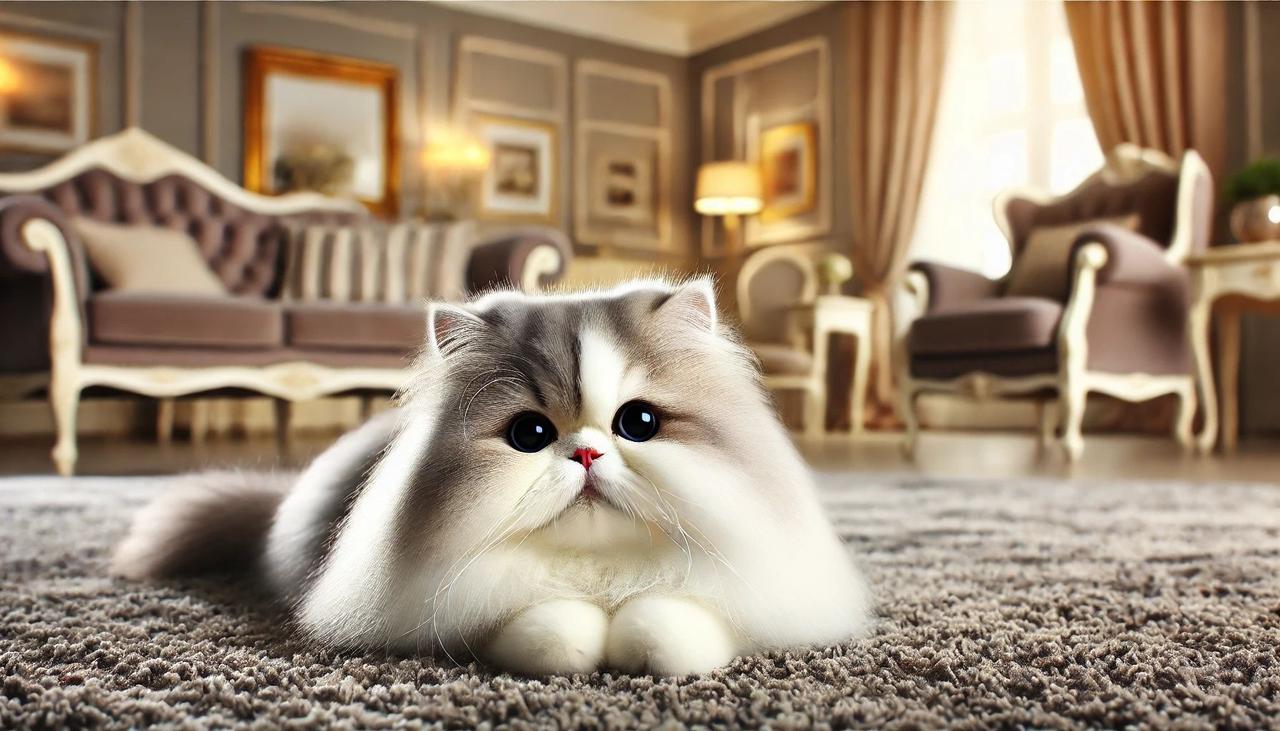
Persian cat (generated by artificial intelligence.)
Persian cats are compact, medium-sized cats with short, sturdy legs, a broad chest, and a large, round head. Their brachycephalic faces feature small, widely spaced ears, a snub nose, and large, round eyes. Cheeks are full, the jaw is prominent, and the overall body type is cobby. Their weight typically ranges from 3 to 5 kg; males are generally heavier than females, with average weights of approximately 4.3 kg for males and 3.4 kg for females. Their bodies are muscular with dense bone structure.
The Persian cat’s coat is long and dense. A ruff resembling a mane may form around the neck, and body fur in some individuals may reach near-floor length. The tail fur appears fluffy. The coat consists of a double layer: a thick undercoat and long, soft guard hairs. Persian cats exhibit a variety of coat patterns, including solid (white, black, cream, blue, etc.), bicolor, tricolor (calico), smoke, shaded, and the Himalayan point pattern. In Himalayan-patterned individuals, the body is light-colored while the extremities are dark, and the eyes are blue. Persian cats typically have amber or dark orange eye color; blue eyes or heterochromia may occur in white-coated individuals. Himalayan-type individuals always have blue eyes due to genetics.
The average lifespan of this breed under proper care conditions is 8 to 11 years. One population study reported an average lifespan of approximately 13.5 years. Two distinct facial types are observed in Persian cats: individuals with an ultra-face type have an extremely flattened face, while those with the traditional type have a less flattened structure. Traditional-type individuals reflect the morphology of earlier generations. Ultra-face individuals are reported to experience health issues such as tear overflow, breathing difficulties, and feeding challenges. Traditional-type individuals have a longer nasal structure and a different morphological profile. Both types exhibit similar behavioral traits.
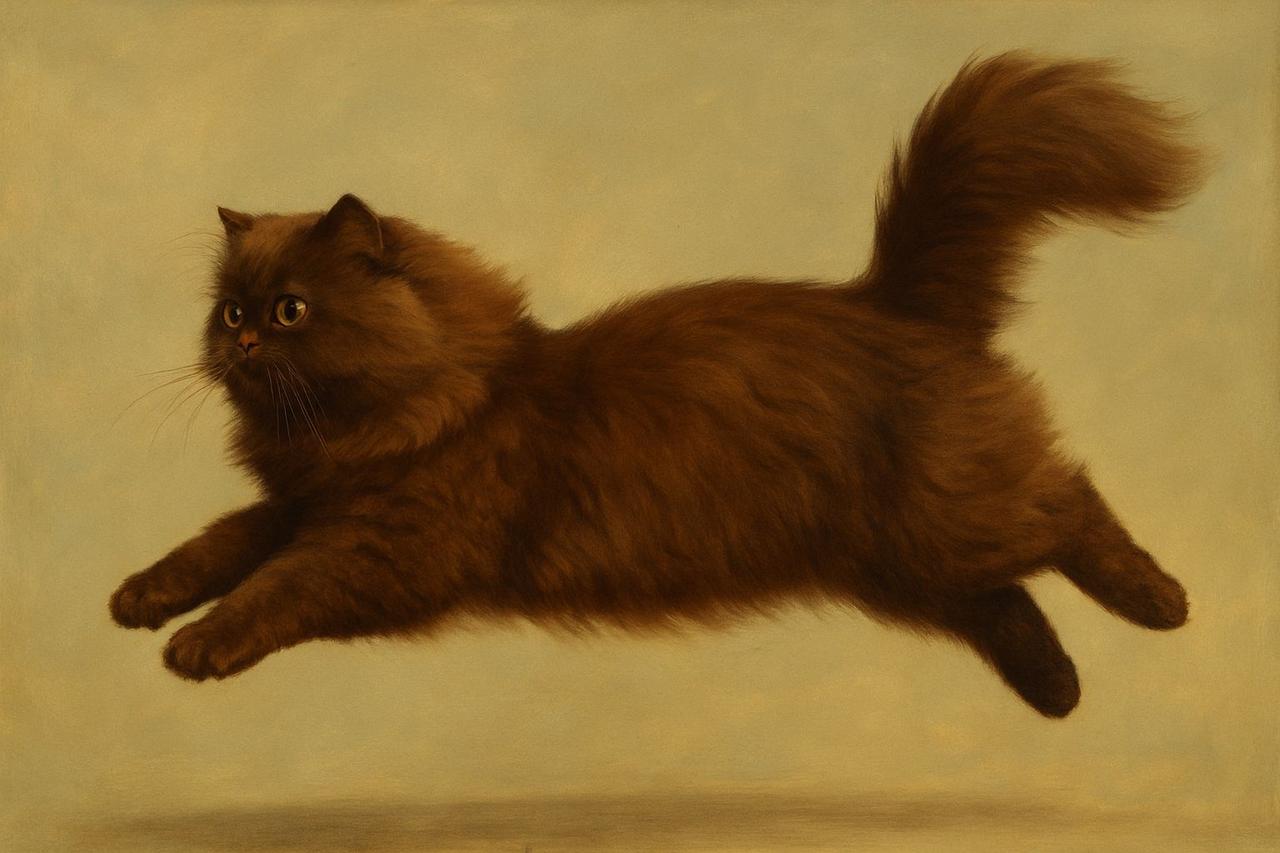
Persian cat (generated by artificial intelligence.)
The Persian cat has played a genetic role in the development of several other cat breeds. Breeds such as the Himalayan and Exotic Shorthair (Eszotik Kısa Tüylü) originate from the Persian cat and are classified by some organizations within the Persian Group. The Himalayan was developed in the 1920s and 1930s through crossbreeding the Persian with the Siamese and is a colorpoint variant of the Persian (light body with dark extremities). While some organizations recognize the Himalayan as a distinct breed, others such as the Cat Fanciers’ Association (CFA) classify it as a color variation of the Persian. The Exotic Shorthair was developed in the mid-20th century by crossing the Persian with American and British short-haired breeds and is considered a variant of the Persian, differing only in coat length. Recognized in the 1960s, this breed shares the Persian’s body and head structure but has a short coat.
The long-haired phenotype in Persian cats is determined genetically by a recessive allele, a trait that has been transferred to other breeds. Chinchilla cats, silver-colored and long-haired, are considered a sub-variant of the Persian and display a longer nose structure with black-tipped fur. Additionally, miniature-sized variants (e.g., “teacup”) have been selectively bred from Persian cats; however, these individuals are not recognized as a separate sub-breed by official cat registries. The Persian cat’s genetic traits have also been reported to have influenced the development of other breeds such as the British Shorthair, Scottish Fold, and Selkirk Rex.
The long, dense coat of the Persian cat requires regular grooming. Daily brushing with a metal-tipped comb is recommended to prevent matting and reduce hairball formation by removing dead hair.
The Persian cat’s large, prominent eyes may be sensitive to environmental irritants. The area around the eyes should be cleaned daily with a soft cloth or cotton, as the brachycephalic structure can result in narrow tear ducts, leading to tear accumulation. Regular cleaning helps control this discharge.
The ears are smaller and more heavily furred compared to other breeds. Weekly ear inspections are advised, and accumulated debris should be cleaned with a veterinarian-approved solution. Nail trimming should be performed every two weeks on the front paws and less frequently on the hind paws. Due to their facial structure, dental alignment irregularities may occur, increasing susceptibility to tartar buildup.
Due to their dense, long coat, Persian cats ingest excess fur during self-grooming, which can form hairballs in the digestive tract. These may lead to blockages and cause vomiting or loss of appetite. A common preventive care method is weekly administration of malt paste as recommended by a veterinarian or feeding food formulated to prevent hairballs.
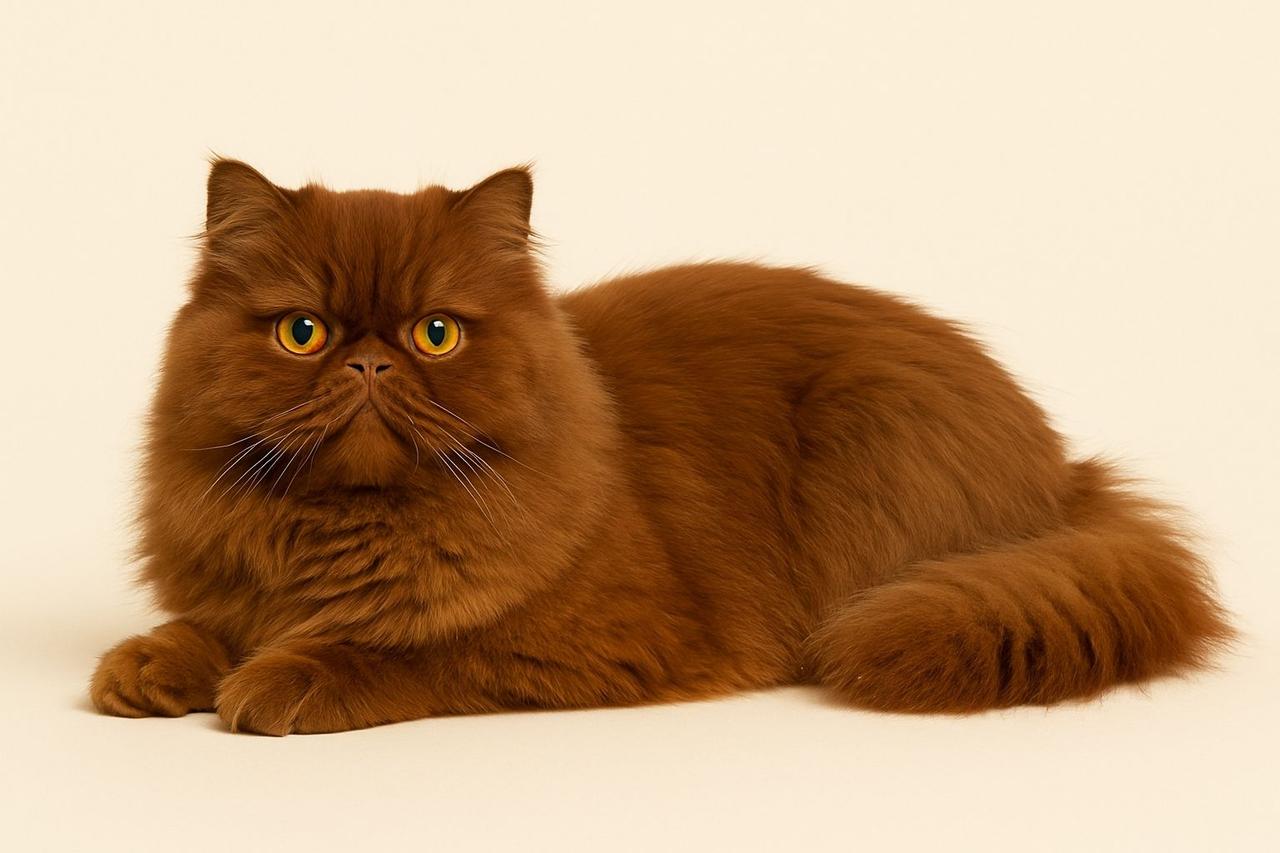
Persian cat (generated by artificial intelligence.)
For nutrition, high-quality protein sources and balanced vitamin-mineral formulations in dry or wet food are recommended. Considering their low activity levels and increased tendency for weight gain after spaying or neutering, daily portion sizes should be adjusted according to veterinary advice; low-calorie diets may be necessary. Access to fresh, clean drinking water must always be provided. Due to their flat facial structure, some individuals may struggle to drink from deep bowls; shallow, wide dishes or water fountains are recommended. These practices encourage adequate hydration and help prevent chronic moisture around the chin and throat, preserving skin health.
Persian cats have generally low to moderate exercise needs; however, regular physical activity should not be neglected. Short daily play sessions using feather wands, balls, or interactive puzzle toys can encourage climbing and hunting behaviors, supporting weight control and musculoskeletal health. Environmental enrichment elements such as treat-dispensing puzzles, tunnels, and climbing trees help reduce stress and prevent behavioral problems by stimulating mental activity.
Various health issues and hereditary diseases are commonly reported in Persian cats. A study conducted by the Royal Veterinary College in the United Kingdom found that 64.9% of examined Persian cats had at least one health condition. The most frequent issues included skin and coat problems (12.7%; primarily matting and infections), dental disease (11.3%), overgrown nails (7.2%), and tear overflow or eye disorders (5.8%). Leading causes of death were kidney disease at 23.4% and cancer at 8.5%. The average lifespan was reported as approximately 13 years; however, quality and duration of life may vary in individuals with hereditary conditions.
The Persian cat’s distinctive brachycephalic skull structure and long coat contribute to several health problems. The shortened facial structure can obstruct tear ducts and cause misalignment of teeth within the jaw, leading to chronic tear overflow, dental tartar, and malocclusion. The dense, long coat impedes air circulation to the skin, promoting matting, fungal infections, and dermatitis. Narrow nasal passages and an elongated soft palate can cause brachycephalic airway syndrome, a respiratory condition that impairs breathing, particularly in hot weather or during physical exertion.
The most commonly reported hereditary disease is Polycystic Kidney Disease (PKD). PKD is an autosomal dominant disorder characterized by the formation of numerous cysts in the kidney tissue. It is prevalent in Persian cats, with genetic studies indicating that approximately one-third of individuals carry the disease-causing gene. Cyst size and distribution vary among individuals, and signs of kidney failure are typically observed after age seven.
Progressive retinal atrophy (PRA), a hereditary eye disorder causing degeneration of photoreceptor cells, has also been reported in Persian cats. A genetic mutation responsible for this condition has been identified in some individuals. The large, protruding eye structure can lead to excessive tear spillage, resulting in secondary issues such as periocular dermatitis, infections, and entropion (inward turning of the eyelid). Cornea sequester, a condition involving pigment accumulation and ulceration of the cornea, has also been observed in some individuals and is thought to be associated with chronic ocular irritation.
Reproduction in Persian cats may involve complications due to their brachycephalic (short-faced) structure. A primary challenge in females is the large head size of kittens relative to the birth canal, which can lead to difficult labor or fetal entrapment. As a result, veterinarians frequently perform cesarean sections to ensure safe delivery.
Kittens are typically weaned between two and three months of age and become suitable for adoption into new homes. An average litter consists of two to six kittens, though this number may vary depending on parental genetics, age, and overall health. The gestation period averages nine weeks. After birth, kittens require maternal care during early development. Since long hair is determined by a recessive gene, mating between short-haired carriers can produce long-haired offspring.
Persian cats are described as a breed well-suited to indoor living due to their low energy levels and low reactivity. They are generally quiet, with minimal vocalization. Their physical activity levels are limited, so they are less inclined toward vigorous play such as running or jumping compared to other breeds. While they may seek human contact, they rarely demand constant attention.
They are reported to be tolerant of strangers and other pets when properly socialized and can adapt to multi-pet households. When left alone, they show low tendencies toward destructive behavior or separation anxiety. In terms of learning capacity, they demonstrate the ability to understand routines, adapt to household rules, and respond to verbal commands. Historical accounts occasionally describe Persian cats accompanying their owners in daily activities.
Throughout history, Persian cats have appeared in various cultural representations. Particularly white-coated individuals have been associated with specific themes in cinema, television, and literature. Such portrayals have generated symbolic imagery linked to certain aesthetic traits of the breed.
Brown, Jackie. “Persian Cat: Breed Profile, Characteristics & Care.” The Spruce Pets. Accessed April 20, 2025. https://www.thesprucepets.com/persian-cat-breed-5220970
Cat Fanciers' Association. “Persian.” Cfa.org. Accessed April 20, 2025. https://cfa.org/breed/persian/
Royal Veterinary College. "Persian Cats at High Risk of Health Problems, Study Shows." *RVC*. Accessed April 20, 2025. https://www.rvc.ac.uk/vetcompass/news/persian-cats-at-high-risk-of-health-problems-study-shows
The International Cat Association. "Persian." TICA. Accessed April 20, 2025. https://tica.org/breed/persian/
UC Davis Veterinary Medicine. "Polycystic Kidney Disease (PKD1)." Veterinary Genetics Laboratory. Accessed April 20, 2025. https://vgl.ucdavis.edu/test/pkd1-cat

Iranian Cat
Full Breed Name | Iranian Cat | ||||||||
|---|---|---|---|---|---|---|---|---|---|
Breed Name | Felis catus | ||||||||
Family | Felidae | ||||||||
Subfamily | Felinae | ||||||||
Origin(s) | Iran | ||||||||
Recognition Year | 1871 | ||||||||
Average Weight | Male: 4–5.5 kg / Female: 3–4.5 kg | ||||||||
Facial Structure | Brachycephalic (flat face, short nose) | ||||||||
Coat Structure | Long and double-layered, dense and silky | ||||||||
Eye Colors | Amber, Copper, Blue (especially in white and Himalayan varieties) | ||||||||
Temperament | Docile, Calm, Affectionate | ||||||||
Activity Level | Low to moderate; prefers inactivity | ||||||||
Intelligence | Medium to high; learns routines quickly | ||||||||
Predisposed Diseases | Polycystic Kidney Disease (PKD), Brachycephalic Syndrome, Eye discharge, Dental diseases, Retinal atrophy (PRA) | ||||||||
Breed Origin
Physical Characteristics
Genetic Traits and Subtypes
Care and Nutritional Requirements
Physical Activity and Mental Stimulation
Health and Common Hereditary Diseases
Reproduction
Cultural and Companion Animal Role