

+2 More


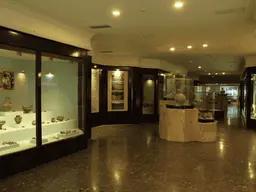
İzmir, one of the most historically and culturally significant cities of the Aegean Region, boasts a rich heritage that stretches from ancient times to the present day. One of the most valuable reflections of this heritage is the İzmir Archaeological Museum. The museum exhibits artifacts uncovered through archaeological excavations conducted in and around İzmir, shedding light on the region's history from the Prehistoric Ages to the Byzantine Period.
Initially opened in 1927 in the Aya Vukla Church located in the Basmane district, the museum has been operating since 1984 in its modern building situated within Bahribaba Park in Konak. Filled with artifacts from ancient cities such as Bayraklı (Smyrna), Ephesus, Pergamon, Miletus, Klazomenai, Teos, and Iasos, the museum showcases the archaeological and artistic richness of Western Anatolia.
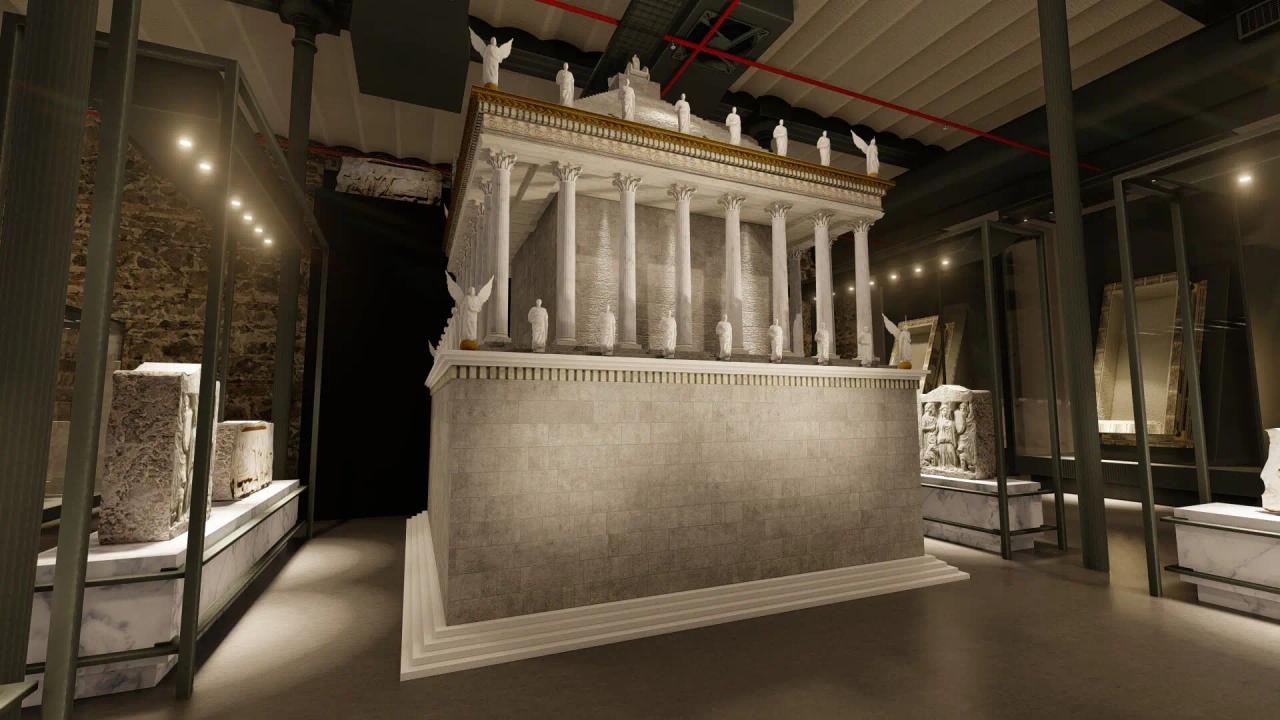
İzmir Arkeoloji Müzesi ( T.C Kültür ve Turizim Bakanlığı İzmir Kültür Sanat Fabrikası )
The origins of the İzmir Archaeological Museum date back to the early 1920s, with efforts to collect and preserve the region’s archaeological artifacts. The first steps toward establishing the museum began in 1923, following the rescue of the antiquities collection originally founded in 1888 by the Evangelical Greek School of İzmir, which survived the Great Fire of Smyrna in 1922. The artifacts that remained undamaged were retrieved from the ruins of the school and gathered in the Aya Vukla (Gözlü) Church.
Around the same period, architectural fragments, reliefs, and statues collected from the İzmir area — including friezes from the Temple of Dionysus in Teos and artifacts excavated in Nysa by experts from the Athens Museum but left in İzmir — were initially gathered in the courtyard of the İzmir İdadi School (which later became the courthouse). After three years of collection and compilation, the museum was officially established in 1924 under the name Asar-ı Antika Müzesi and opened to the public in 1927 at the Aya Vukla Church.
In the museum’s early years, Aziz Ogan served as the director. After he was assigned to another post, Selahattin Kantar took over in 1931. During Kantar’s tenure, the museum was visited by Mustafa Kemal Atatürk in 1931 and officially renamed the İzmir Archaeological Museum in 1943. However, as the collection grew, the space in the Aya Vukla Church became insufficient. In 1951, the museum was relocated to the former Ministry of Education Pavilion in Kültürpark.
The increasing number of artifacts from ancient cities in and around İzmir eventually necessitated a new building. This need was met in 1984 with the construction of a modern 5,000-square-meter museum building located in Bahribaba Park, Konak. This new facility, opened on February 11, 1984, has since served as the museum's current home.
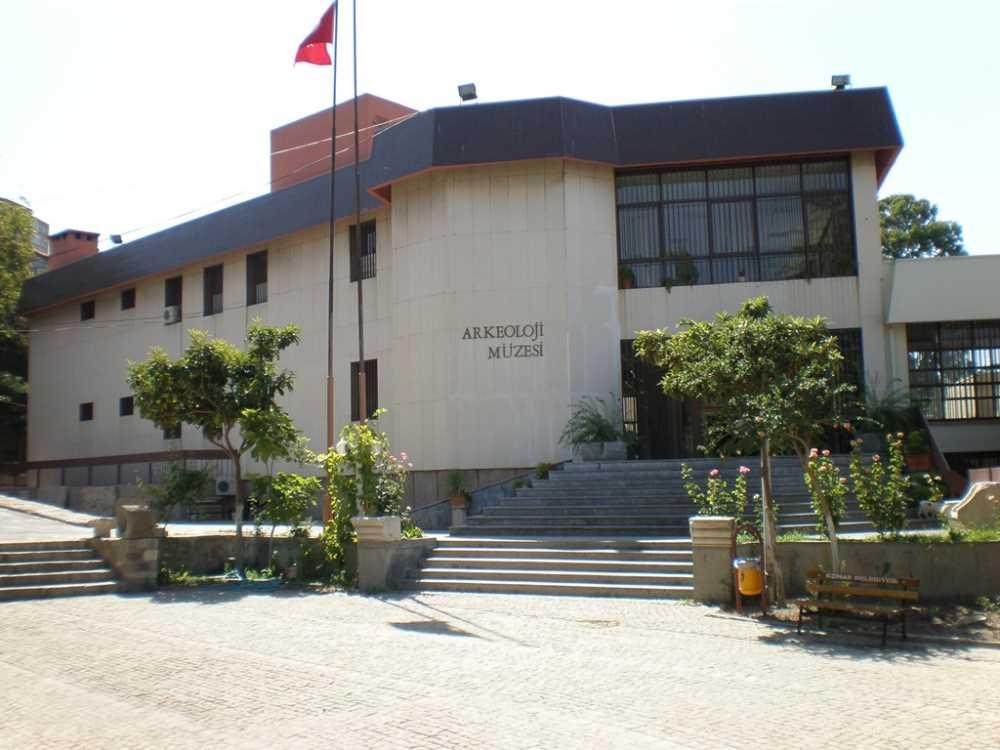
İzmir Arkeoloji Müzesi ( Kültür Portalı )
The current building of the İzmir Archaeological Museum is a modern, three-story structure equipped with all the necessary infrastructure for the display, preservation, and restoration of archaeological artifacts. The ground floor houses storage areas, restoration laboratories, a library, and an archive, while the first floor is designated for administrative offices. The second and third floors serve as exhibition halls. With its display halls, photography studio, conference room, and garden, the museum is designed to meet a wide range of needs.
The layout of the building allows for a chronological and thematic presentation of artifacts. Its location within Bahribaba Park provides both central accessibility and a suitable outdoor environment for displaying large artifacts. The museum garden features sculptures, sarcophagi, steles, inscriptions, and architectural pieces uncovered from excavations, while the indoor galleries are designed for the protection of more delicate items. A free audio-visual guide system allows visitors to receive detailed information about the exhibits.
The İzmir Archaeological Museum houses a rich collection of over 5,000 artifacts reflecting the history of Western Anatolia from the Prehistoric Ages to the Byzantine Period. The collection includes finds from ancient cities such as Bayraklı (Smyrna), Ephesus, Pergamon, Miletus, Klazomenai, Teos, Iasos, Erythrai, Myrina, Phokaia, Çandarlı, and Kyme. The museum is organized into three main exhibition halls and an open-air display area in the garden.
This floor displays artifacts from the Prehistoric Ages to the Byzantine Period in chronological order. The first gallery contains small-scale objects such as glass, bronze, intaglios, terracotta figurines, pottery, and oil lamps, which were acquired through donations, confiscations, or purchases and whose exact origins are unknown. The second gallery features scientifically excavated artifacts from ancient cities like Old Smyrna, Çandarlı, Myrina, Phokaia, Erythrai, and Iasos. Also located on this floor is the “Treasure Room,” which exhibits gold, silver, and precious stone jewelry, glassware, and coins from the Archaic, Classical, Hellenistic, Roman, Byzantine, and Islamic periods. Notable highlights include the Bronze Demeter Statue from Halicarnassus and coins from the Duchy of Venice.
This entrance-level hall is dedicated to marble and stone sculptures. Large statues, busts, portraits, and masks are displayed in chronological order. Eight showcases contain smaller marble artifacts. The Kore Statue from Erythrai is one of the earliest large-scale marble sculptures of antiquity, while the Bronze Athlete Statue from Kyme stands out among rare bronze works. The Statue of Androklos, believed to be the founder of Ephesus and dating to the Roman period, is also a striking piece in this hall.
This level focuses on burial culture and large-scale artifacts. It displays terracotta and marble sarcophagi, tomb steles, and architectural fragments. The terracotta sarcophagi from Klazomenai are renowned examples from the ancient world. The collection of tomb steles from the Late Hellenistic Period is among the richest in the world. The coffered ceiling reliefs from the Belevi Mausoleum, a notable structure from the Hellenistic era, are also on display. At the end of the hall, a high-relief sculpture group of Poseidon, Demeter, and Artemis—discovered in the Agora archaeological site—stands out with its strong historical context.
The garden serves as an open-air exhibition area for sculptures, sarcophagi, steles, inscriptions, and architectural fragments unearthed during excavations. This space complements the museum’s indoor exhibits and provides visitors with a comprehensive experience.
Since 1984, the İzmir Archaeological Museum has been housed in its modern building in Bahribaba Park, and it remains one of the most important archaeological museums in the Aegean Region. With its artifacts that reflect the historical and artistic development of Western Anatolia, it holds a distinctive status as a regional museum. The museum is open between 08:30–19:00 in summer and 08:00–17:00 in winter, with an entrance fee of €4. Its central location ensures easy access via public transportation.
The museum is also an important center for education and research. Its restoration laboratories and library provide the necessary facilities for the preservation and study of archaeological materials. The audio guide system offers visitors the opportunity to gain in-depth knowledge about the artifacts and their historical context. The museum’s collections are filled with examples that reflect the artistic sensibility of antiquity and the cultural history of Western Anatolia.
Additionally, the İzmir Culture and Art Factory (İKSF)—located in the restored former Alsancak Tekel Factory building with a space of 7,240 m²—has opened as the Museum İKSF – Archaeology and Ethnography Museum. This new facility hosts thematic exhibitions that include not only archaeological artifacts but also ethnographic objects, reflecting a modern museology approach. However, the focus of this article remains the main museum building in Bahribaba Park.
The İzmir Archaeological Museum continues to offer a fascinating journey through the history and art of the Aegean and holds its place among Turkey’s leading museums. With its mission to preserve the region’s archaeological heritage for future generations, it serves as a major attraction for both local and international visitors.

No Discussion Added Yet
Start discussion for "İzmir Archaeological Museum " article
Historical Development and Foundation Process
Architectural Structure and Layout
Collections and Exhibition Halls
Top Floor (Ord. Prof. Ekrem Akurgal Ceramic Artifacts Hall)
Middle Floor (Stone Artifacts Hall)
Ground Floor
Museum Garden
Current Status and Cultural Significance
This article was created with the support of artificial intelligence.