This article was automatically translated from the original Turkish version.
+1 More
Type of Geographical İndication | Mahreç Sign | ||||||||
|---|---|---|---|---|---|---|---|---|---|
Application Date | 09.01.2018 | ||||||||
Registration Number | 396 | ||||||||
Registration Date | 23.11.2018 | ||||||||
Product / Product Group(s) | Textiles | ||||||||
Province(s) | Kocaeli | ||||||||
Applicant/Registrant(s) | Kandıra Community Education Center | ||||||||
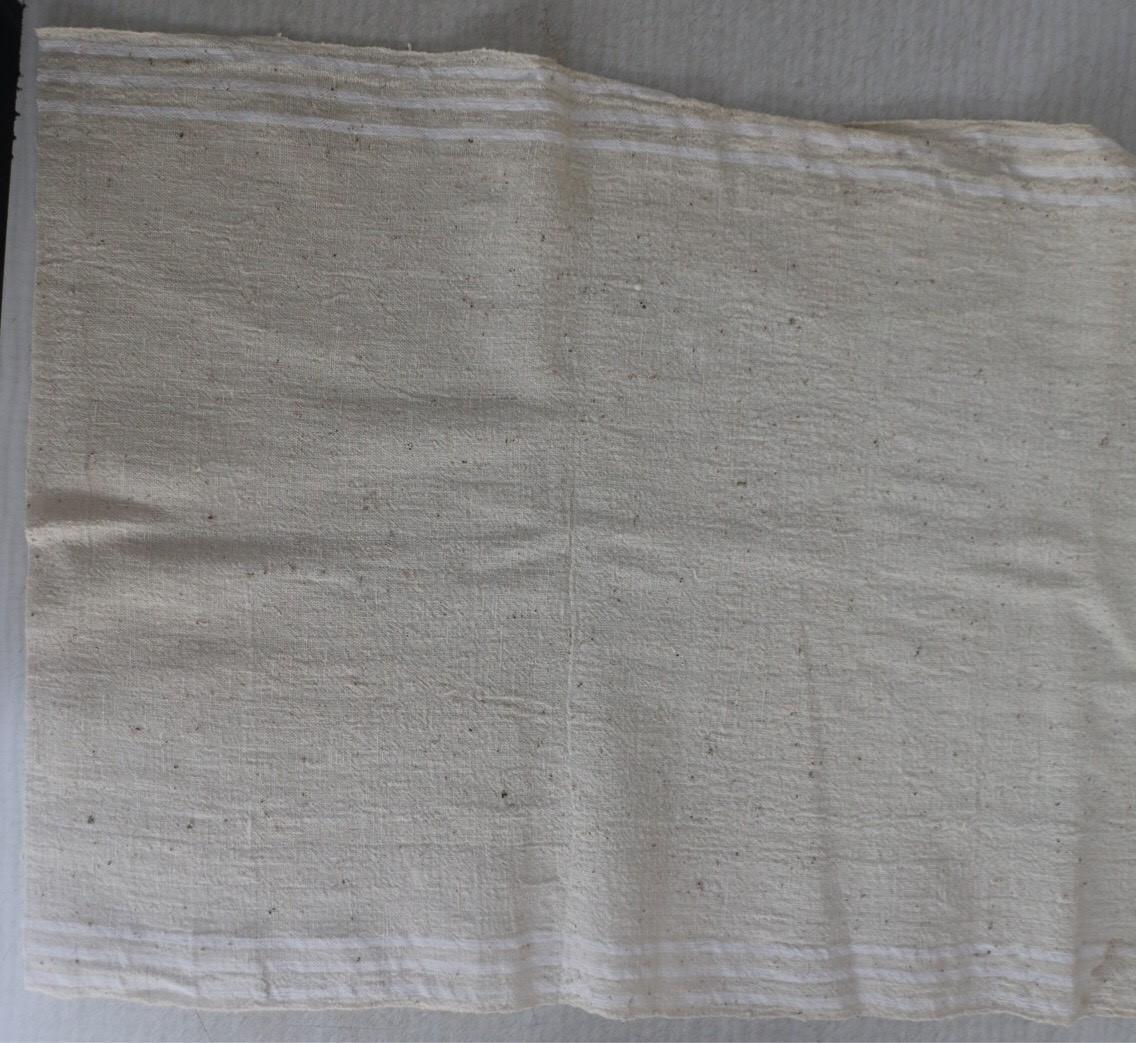
Kandıra fabric is a traditional woven textile produced in the Kandıra district of Türkiye’s Kocaeli province and registered with a geographical indication. Made from flax, this fabric is a cultural product requiring intensive manual labor and local expertise at every stage of production.

Kandıra Bezi (AA)
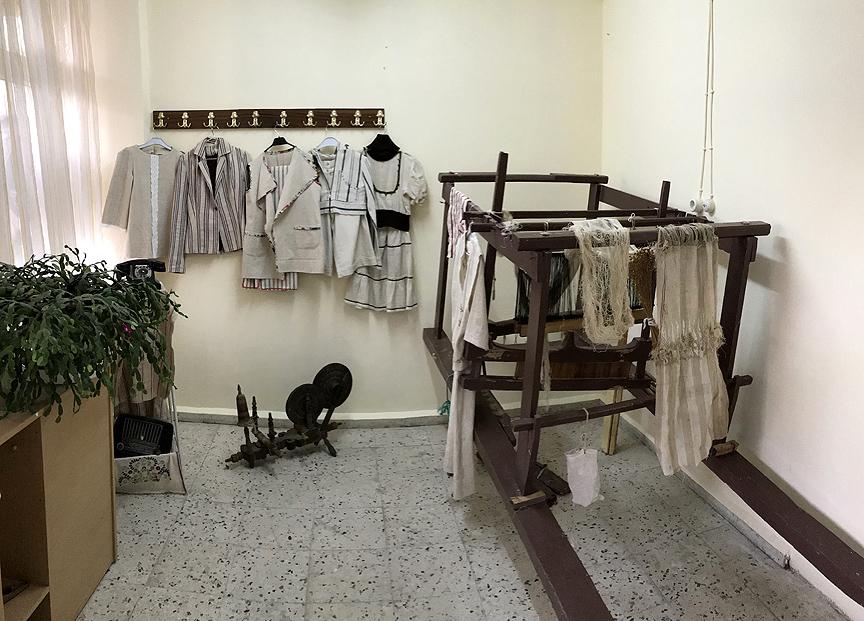
The primary raw material of Kandıra fabric, flax, is sown in humus-rich soils during autumn and begins to mature in spring. Harvesting is carried out by hand in June and July. The flax fibers, pulled from their roots, are processed through stages including retting, drying, combing and spinning on a spindle to produce yarn. The resulting yarn is woven on looms locally known as “düzen” using the tabby weave technique.
Kandıra Bezi (AA)
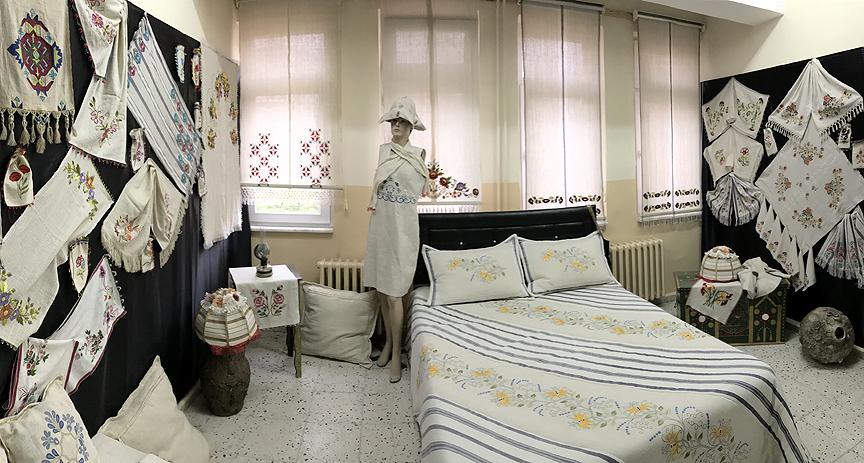
Different products are produced from Kandıra fabric using both fine and coarse yarns:
Among the decorated items, regional embroidery patterns such as “manda gözü” and “sevda çiçeği” stand out. Kandıra fabric is also regarded as the primary source of Şile fabric; while Şile fabric uses cotton yarn, Kandıra fabric exclusively uses flax yarn.
It is known that until the 1960s, 30 percent of Turkey’s total flax production occurred in Kandıra, and this fabric played a significant role in the livelihood of the local population and in bridal trousseaus.
Kandıra Bezi (AA)
All stages of Kandıra fabric production, except for yarn sourcing, must take place within the boundaries of Kandıra district. Annual inspections are conducted by experts from local public institutions under the coordination of the Kandıra Community Education Center. Products are required to bear the geographical indication mark and the geographical sign logo.
Anadolu Ajansı. “İki bin yıllık gelenek ‘Kandıra bezi’ yeniden canlandırılıyor.” Anadolu Ajansı, December 30, 2017. Accessed July 10, 2025. https://www.aa.com.tr/tr/yasam/iki-bin-yillik-gelenek-kandira-bezi-yeniden-canlandiriliyor/1018557.
Kandıra Belediyesi. "El Sanatları." Kandıra Municipality. Accessed July 10, 2025. https://www.kandira.bel.tr/icerik/el-sanatlari.
Turk Patent and Trademark Office. “Kandıra Bezi.” *Geographical Indications Portal*. Registration Date: November 23, 2018. Accessed July 10, 2025. https://ci.turkpatent.gov.tr/cografi-isaretler/detay/38474.

Type of Geographical İndication | Mahreç Sign | ||||||||
|---|---|---|---|---|---|---|---|---|---|
Application Date | 09.01.2018 | ||||||||
Registration Number | 396 | ||||||||
Registration Date | 23.11.2018 | ||||||||
Product / Product Group(s) | Textiles | ||||||||
Province(s) | Kocaeli | ||||||||
Applicant/Registrant(s) | Kandıra Community Education Center | ||||||||
From Raw Material to Loom
Product Variety
Cultural Context
Geographical Boundaries and Regulation of Production