


This article was automatically translated from the original Turkish version.
+2 More
Pervari Honey is a natural honey produced in the Pervari district of Siirt province in Türkiye, using traditional beekeeping methods in mountainous areas and highland pastures. Pervari, located approximately 80 km from the center of Siirt, benefits from a rich plant cover and favorable climatic conditions that give this honey its distinctive original properties. With an annual average temperature of 12.2 °C, the district enjoys a warm and temperate climate, providing ideal environment for honeybees. Produced entirely through natural methods, Pervari Honey is known for its thick consistency, pleasant aroma, and health benefits. It is known to have been consumed in the Ottoman Palace and is among the rare honeys in Türkiye regarded as a source of healing.

Pervari Honey (Siirt Municipality)
Pervari Honey is produced in three distinct ways: Pervari Karakovan Honey, Pervari Comb Honey, and Pervari Strained Honey.
The whitish hue of Pervari Honey distinguishes it from other yellow colorful honeys and serves as an indicator of its natural production process.
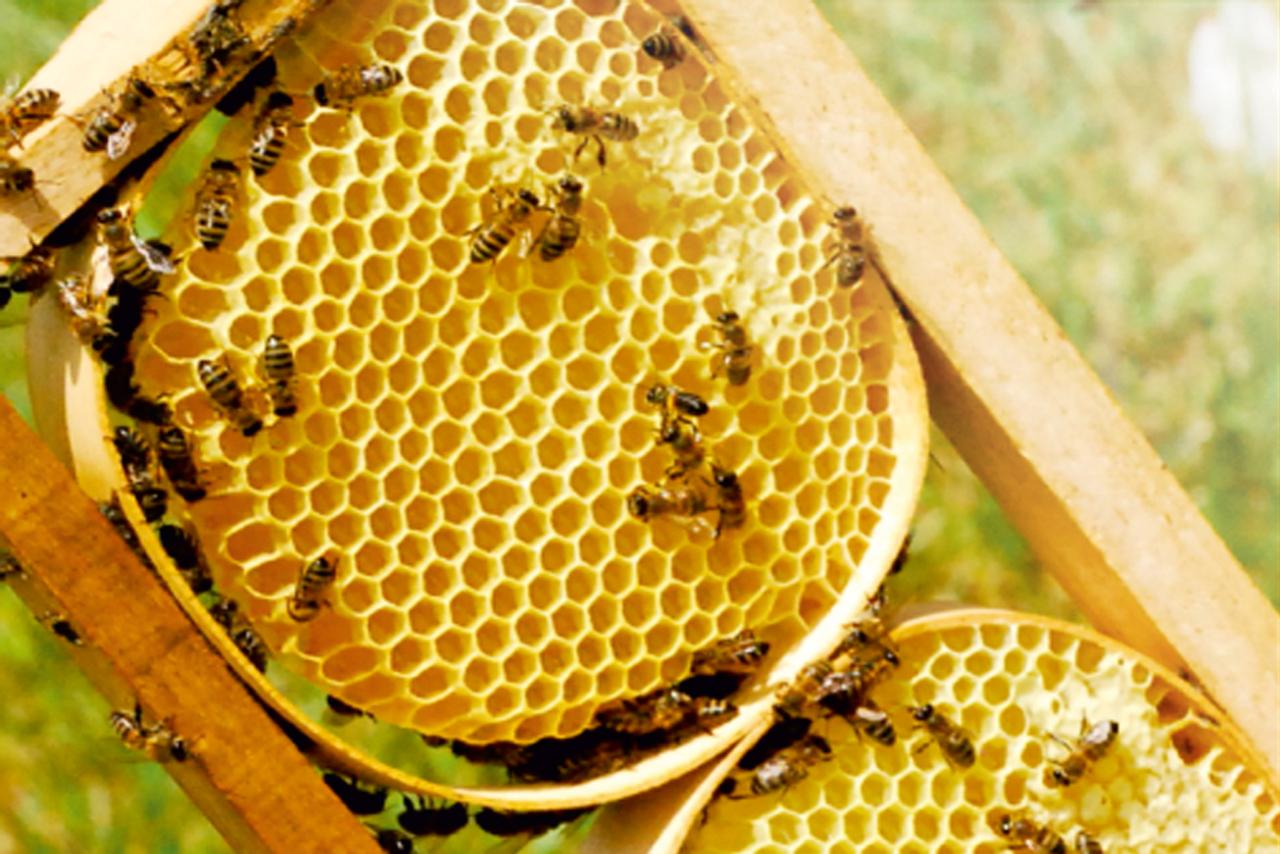
Pervari Honey (Siirt Municipality)
Pervari Honey is derived from the rich flora of the district’s foothills and highland pastures. Nectar collected from thyme, clover, sage, oregano, honeywort, prophet flower, geven, engerek herb, ox tongue, fiğ, and kenger like flower plants is processed by bees to create this unique honey. The region’s geographical structure and plant diversity determine the honey’s thick consistency and pleasant fragrance.

Pervari Honey (Siirt Municipality)
Pervari Honey offers numerous health benefits due to its content of vitamins A, B, and C, and minerals. Its main benefits include:
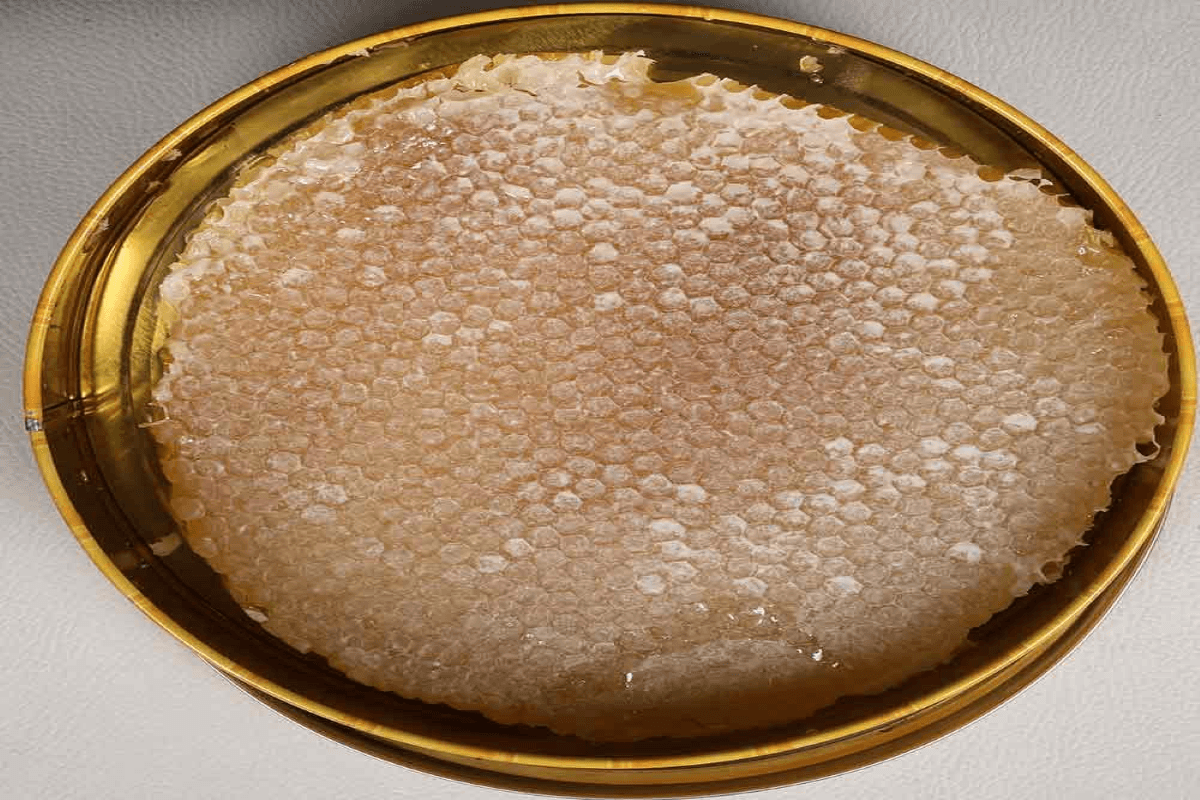
Pervari Honey (Siirt Municipality)
Pervari Honey stands out due to its 100 percent natural composition. Its production through traditional methods and absence of additives have earned it significant value in the market. Pervari Honey represents a legacy spanning from the past to the present, serving both as a nutritious food and a multifaceted healing resource.

Production Methods and Varieties
Vegetation and Production Area
Benefits
Importance and Value
