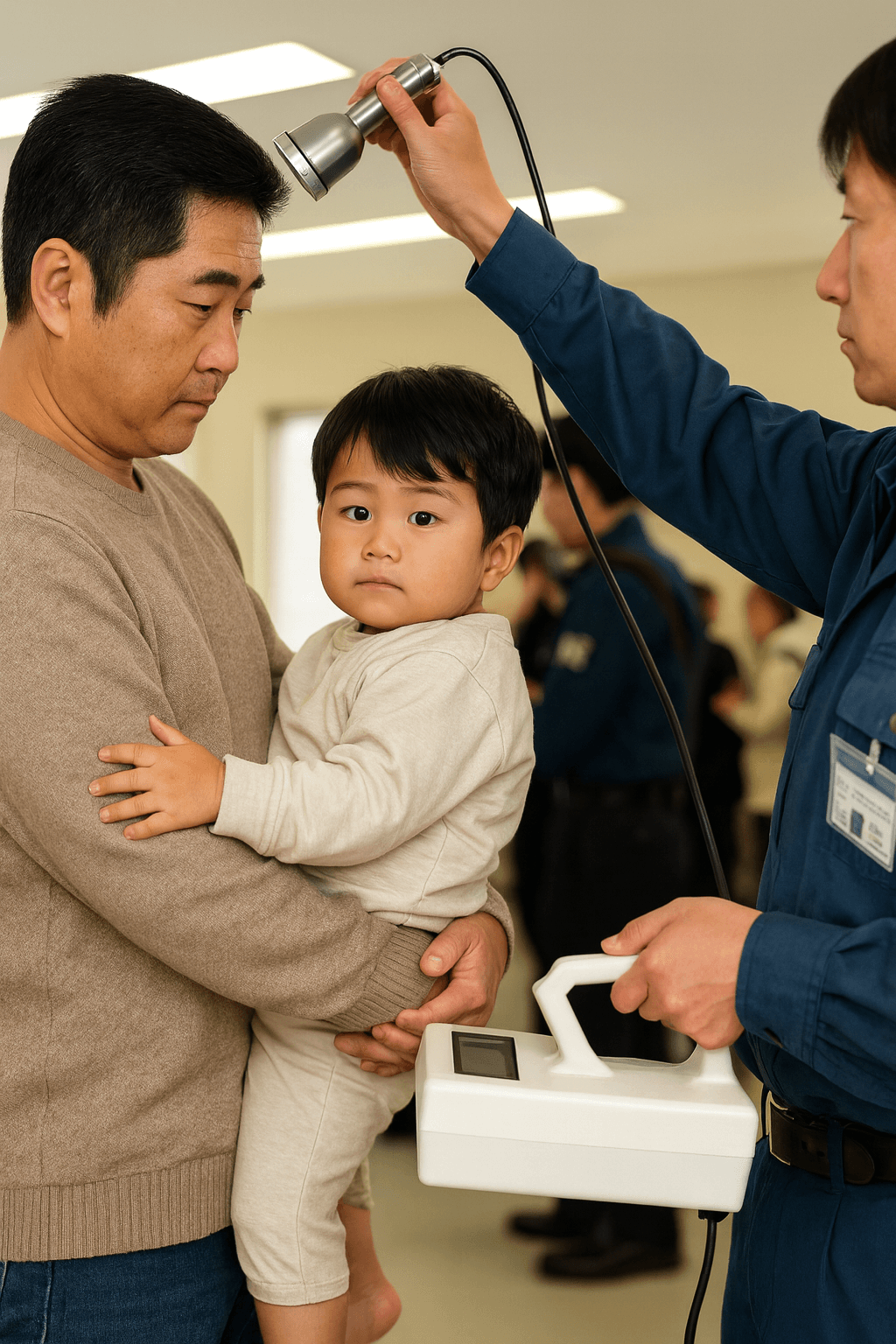
This article was automatically translated from the original Turkish version.
+1 More
Date(s) | 11 March 1997 (Dōnen) 30 September 1999 (JCO) | ||||||||
|---|---|---|---|---|---|---|---|---|---|
Facility | Conversion Test Building (JCO) Bituminization Demonstration Facility (Dōnen) | ||||||||
Activity | Uranium fuel chemical conversion (JCO) Bituminization (Dōnen) | ||||||||
Result (Dōnen) | Transparency-reporting and risk communication discussions Low-level exposure among workers | ||||||||
Result (JCO) | Experimental treatments International Nuclear Event Scale (INES) Level 4 classification Temporary school closures Shelter-in-place call within 10 km radius Evacuation within 350 m radius Severe radiation exposure in three workers | ||||||||
Tokaimura is a settlement in Ibaraki Prefecture known for its concentration of nuclear facilities and gained prominence as the site of two major incidents in the 1990s. The first occurred in March 1997 at a state-operated nuclear fuel cycle and waste processing site, where a fire and explosion took place during the bituminization of liquid radioactive waste. This event brought to public attention debates on radioactive releases and emergency response procedures, and it sparked widespread discussion in Japan regarding transparency, reporting, and risk communication in public administration and facility operations.
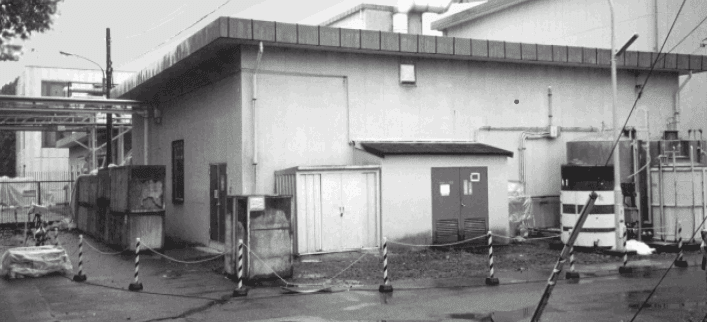
Tokaimura JCO Uranium Processing Facility (IAEA)
The second and far more severe incident occurred on the morning of 30 September 1999 in the Conversion Test Building of the JCO uranium fuel processing facility in Tokaimura.【1】 A large volume of uranium solution enriched to less than 20% was improperly transferred into a precipitation tank with unsuitable geometry and mass, triggering an uncontrolled self-sustaining nuclear chain reaction. Three workers received extremely high radiation doses, two of whom later died. The event was classified as Level 4 on the International Nuclear and Radiological Event Scale (INES); Tokaimura became a turning point in Japanese discussions on nuclear safety and emergency management.
In March 1997, at the state-operated (Dōnen/PNC) site in Tokaimura, a fire broke out during the bituminization process—where liquid radioactive waste is mixed with asphalt in a heated state to form a solid matrix—followed by an explosion. The process inherently involves heat-releasing chemical reactions, making thermal balance, mixing ratios, ventilation/filtration, and continuous monitoring critically important. The incident caused visible damage to the facility roof, and emergency procedures were activated on-site.
Bituminization Tank Experiencing Overheating (Ibaraki Tokai)
In the initial hours, radiological measurements were intensified within the site and surrounding areas, and precautionary protective measures were implemented for workers and first responders.【2】 Measurements indicated that radiation exposure remained at low levels; however, due to Tokaimura’s structure as a settlement hosting numerous nuclear facilities, the incident heightened regional perceptions of risk.
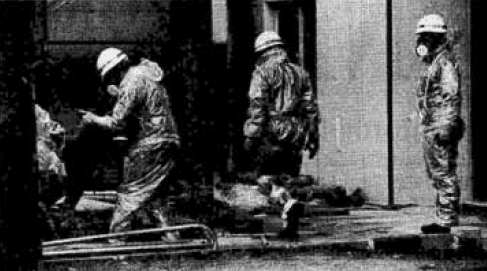
One Frame from Initial Response (Citizens’ Nuclear Information Center)
Failure to maintain continuous and transparent corporate communication was criticized by the public; delays in reporting and information sharing amplified debates on lack of transparency and coordination.【3】 The technical root cause of the accident was the cumulative escalation of risks stemming from thermal management and mixing chemistry.
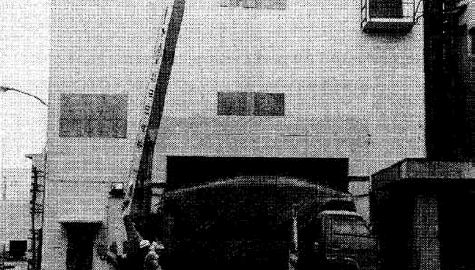
Building Where the Incident Occurred (Citizens’ Nuclear Information Center)
Oxidative processes and thermal runaway (where heat generated by chemical reactions feeds itself uncontrollably) in asphalt-salt waste mixtures could have created conditions leading to fire and explosion when process parameters fell outside safe limits.【4】 In this context, real-time temperature and flow monitoring, adequacy of ventilation-filtration systems, and reliability of emergency shutdown mechanisms emerged as key lessons from the literature.
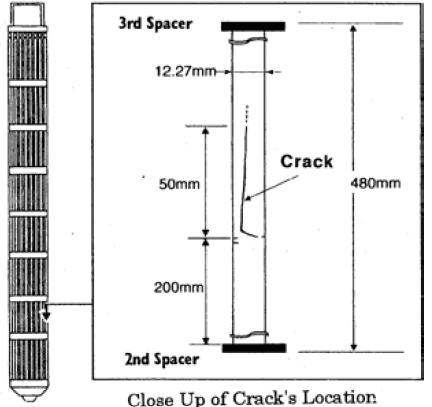
Breach in Pipe Due to Excessive Heat in Building Where Incident Occurred (Citizens’ Nuclear Information Center)
The risk communication dimension of the incident revealed the fragility of public trust in Tokaimura’s nuclear industry.【5】 Images from the 1997 fire and explosion were, two years later during the JCO criticality accident on 30 September 1999, mistakenly reused by some media outlets, contributing to information contamination. The erroneous association of this geographically distinct incident with JCO underscored the importance of accurate and timely public communication during crises. The 1997 experience kept in focus the need for strengthening institutional areas such as inspection frequency and scope, operator training, relevance of process instructions, and emergency plans supported by drills.
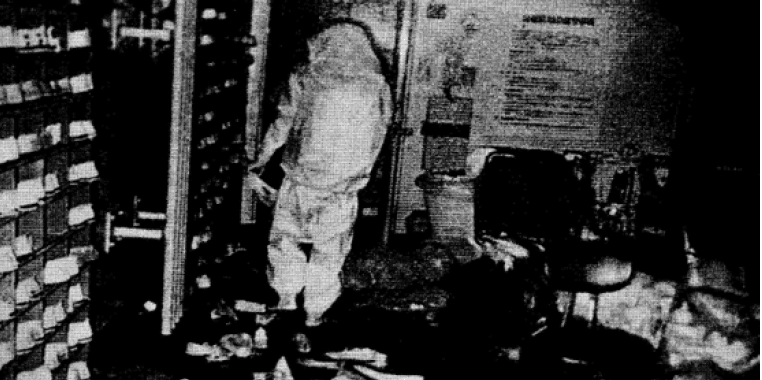
One Frame from Initial Response (Citizens’ Nuclear Information Center)
In conclusion, the 1997 Tokaimura incident was recorded as a chemical/thermal accident not involving criticality; nevertheless, it left lasting impacts on thermal safety, process stability, and risk communication in radioactive waste processing lines.【6】
The JCO facility in Tokaimura operated processes for the chemical conversion of uranium fuel and included a unit known as the Conversion Test Building (CTB). The process flow envisioned dissolving uranium oxide in nitric acid to produce uranyl nitrate solution, controlled transfer of this solution via an intermediate (buffer) tank to a precipitation tank, and finally conversion of the material into UO₂ powder on another line; equipment geometry and the maximum allowable uranium mass at any one time were designed according to criticality avoidance principles.【7】 The facility periodically produced uranium solution with 18.8% enrichment for the JOYO fast experimental reactor. This enrichment level necessitated precautions such as small batch operations, use of long narrow-section buffer tanks, and closed-loop operation.
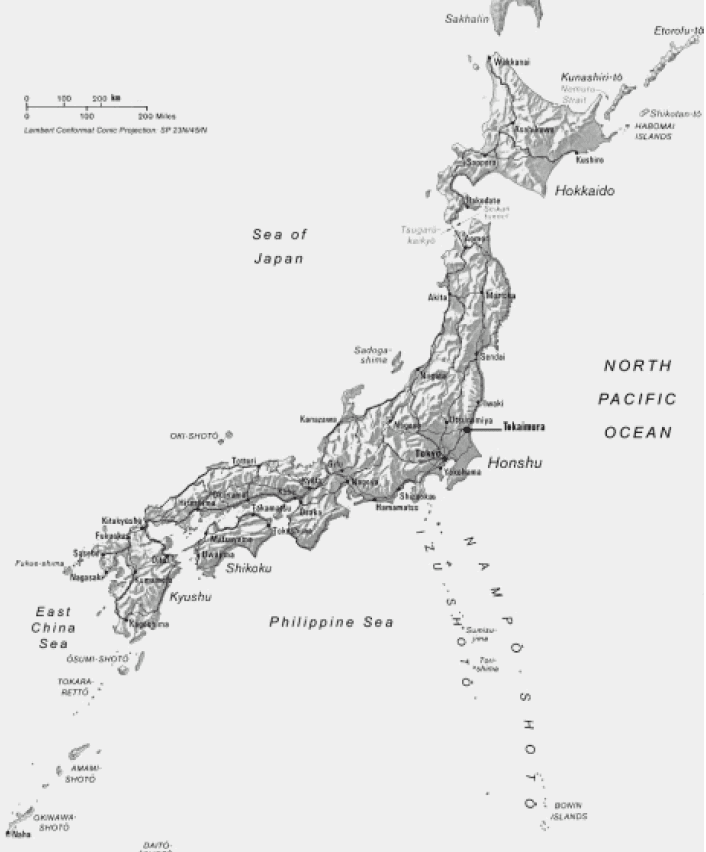
Tokaimura Map (USNRC)
Throughout the 1990s, deviations from licensed procedures became entrenched practices aimed at “accelerating work.” In particular, bulk transfer using stainless steel buckets, bypassing the buffer tank, and directing material into geometrically unsafe containers were taught and repeated through unofficial internal guidelines.【8】 As a result, the on-site implementation of the geometric-mass discipline designed to prevent criticality weakened, creating gaps in operator training, supervision, and record-keeping practices. Although area monitors and paper-based emergency plans existed, the frequency of drills and inter-institutional communication practices did not reach the required standard.
The regulatory context also presented a fragile picture. The Science and Technology Agency (STA) licensing conditions imposed clear requirements regarding mass limits, equipment geometry, and operational sequence. However, inspection frequency and scope failed to fully capture actual on-site practices and could not prevent the normalization of unauthorized “shortcuts.” On 13 September 1999, the National Security Council (NSC) updated its emergency guidelines, and steps were taken toward enacting a special nuclear emergency law shortly thereafter.
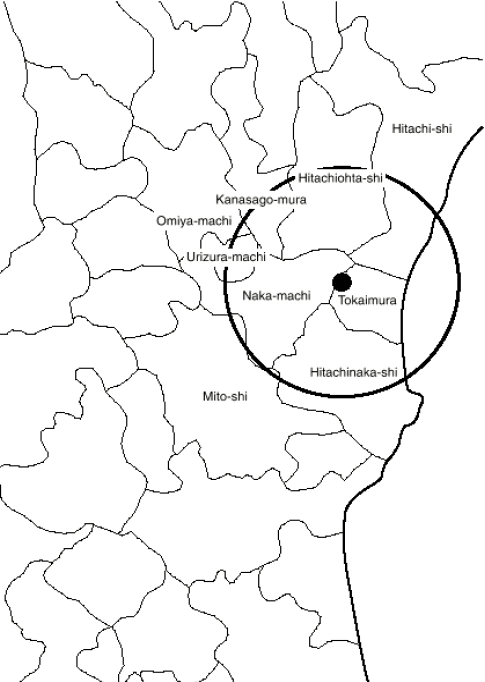
Tokaimura Region (USNRC)
However, national and local plans at the time focused primarily on radioactive release scenarios from power and reprocessing facilities; specific detailed analyses of criticality accident possibilities in fuel processing plants were insufficiently developed.【9】 The residential and daily life areas surrounding the CTB in Tokaimura created a unique risk profile requiring rapid off-site management in the event of an accident.
In summary, by 30 September 1999, a production culture had taken root at JCO in which a licensed process remained intact on paper, but unauthorized practices had become habitual on-site. Deficiencies in the triad of training-supervision-inspection, combined with the practical erosion of geometric-mass discipline, led to a shift from closed-loop small-batch principles toward bulk transfer and inappropriate container use, thereby creating conditions under which the necessary criteria for criticality became not accidental but organizationally feasible.
At 10:35 on 30 September 1999, a criticality event (self-sustaining uncontrolled nuclear fission) began in the precipitation tank of JCO’s Conversion Test Building due to the use of an inappropriate container and bulk transfer. An immediate (prompt) critical behavior was observed at that moment, followed by a delayed phase of lower-level reactivity fluctuations. The water jacket surrounding the tank (providing moderation and reflection effects) sustained the reactivity; a characteristic blue glow was observed at the site. Area monitors triggered simultaneous alarms, and nearby workers were evacuated from the building.
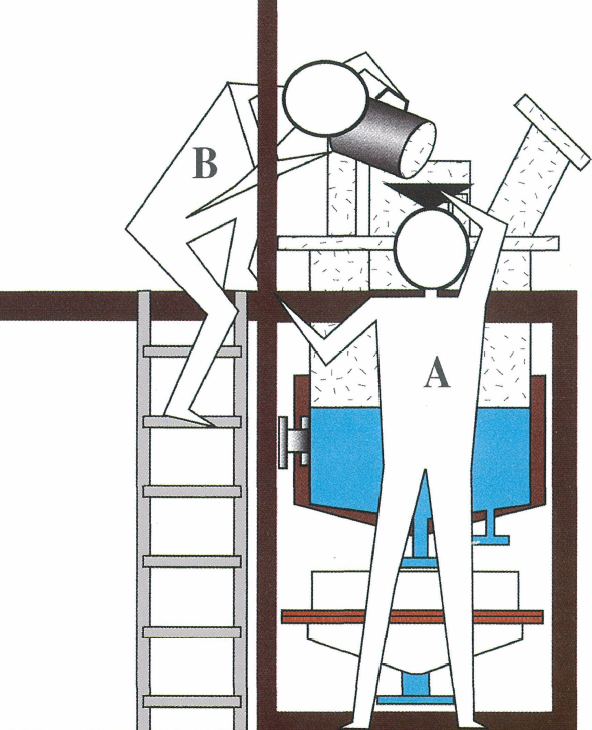
Diagram Showing Improper Uranium Transfer into Precipitation Tank (NIRS-M-143)
Within the first half-hour, personnel were assembled at designated gathering points.【10】 Due to unexpectedly high dose rates measured at the first gathering area approximately 150 meters away, staff were relocated to a second gathering point approximately 280 meters southeast of the administrative building. The three workers closest to the incident quickly exhibited symptoms of acute radiation syndrome, including vomiting, confusion, and numbness. At 10:43, an ambulance was called to the fire department; the team arrived on-site at 10:56. Because radiation levels were high, the ambulance crew extracted the three workers toward the facility gate to administer first aid; the ambulance departed at 11:49 and arrived at the National Mito Hospital at 12:07. Following initial medical assessments at the hospital, the National Institute of Radiological Sciences (NIRS) was activated, initiating coordination for advanced treatment.
On-site management focused on eliminating conditions sustaining reactivity. Measures included draining the water jacket (to reduce neutron moderation and reflection), passivating the precipitation tank with boron-containing neutron-absorbing solutions, and securing surrounding equipment. As the geometry-mass-moderation combination causing criticality was weakened, neutron production in the tank was brought under control. Off-site measures progressed simultaneously: residential areas within a 350-meter radius were evacuated, and the public within a radius of approximately 10 kilometers were instructed to shelter indoors (stay inside, close windows and ventilation). Measures included temporary school closures, restricted road and railway access, and halting nearby industrial and commercial activities.
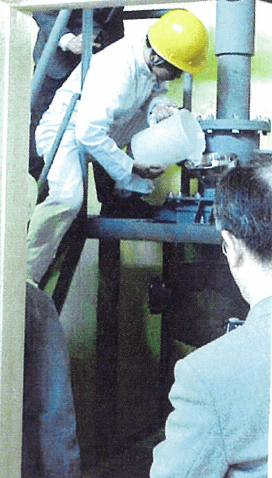
Reconstruction of the Incident (NIRS-M-143)
Throughout the approximately 20-hour duration of the event, reactivity in the tank fluctuated sensitively in response to environmental changes.【11】 Once technical measures to reduce reactivity were completed and the tank was secured in a neutron-absorbing medium, ambient dose rates fell below operational thresholds. No widespread or persistent radioactive release to the environment was detected; the incident was recorded as a criticality accident confined to the site and immediate vicinity, but with severe consequences for worker exposure. This sequence demonstrated how procedural deviations on-site gradually undermined the design-based geometric and mass limits intended to prevent criticality.
Within minutes after the emergency alarm sounded, on-site personnel were directed to assembly points, and within approximately ten minutes, the first group of workers was moved to a gathering area 150 meters away. Upon detecting unexpectedly high dose rates at this location, personnel were relocated to a second gathering area approximately 280 meters southeast of the administrative building. The three workers closest to the incident quickly exhibited acute symptoms including vomiting, confusion, and numbness; an ambulance was called at 10:43.
The ambulance arrived on-site at 10:56. Due to high ambient radiation levels, the three workers were extracted toward the facility gate for first aid. Despite suspected contamination, the ambulance departed at 11:49 and arrived at the National Mito Hospital at 12:07. Following initial assessments, coordination was established with the National Institute of Radiological Sciences (NIRS), and advanced treatment planning began.
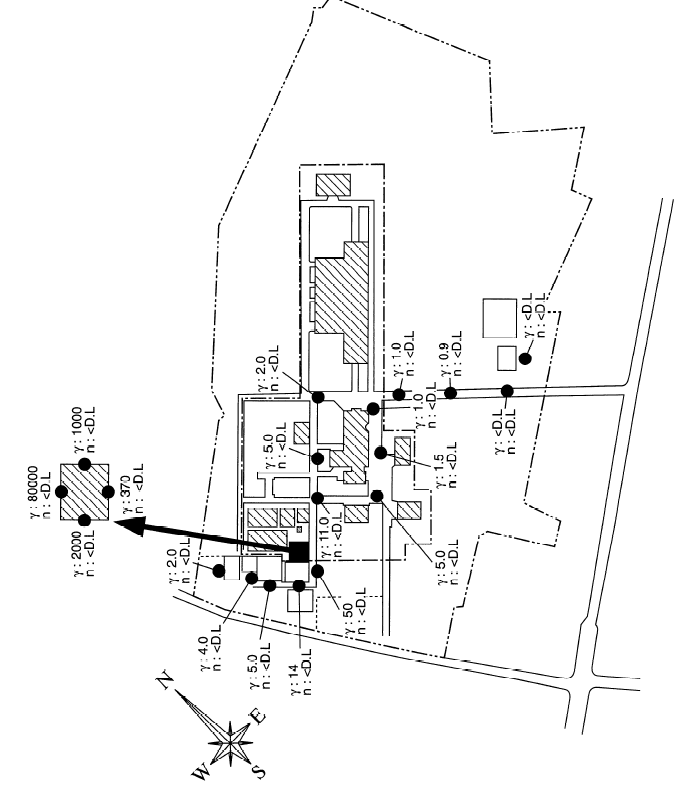
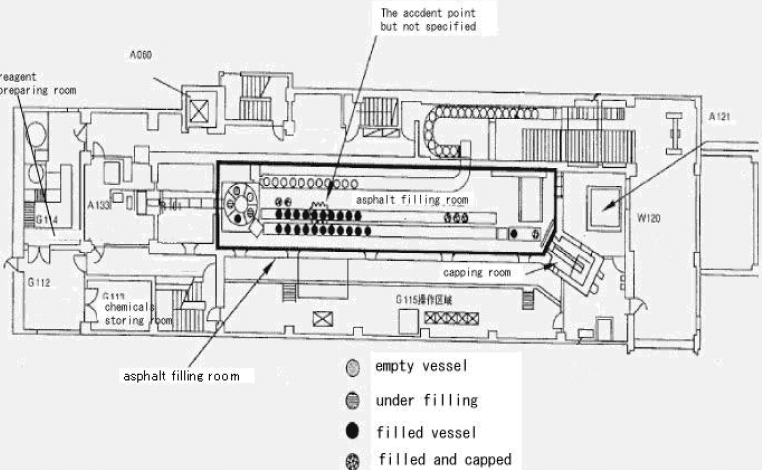
Plan of the Nuclear Processing Facility (IAEA)
The on-site technical team focused on eliminating conditions sustaining the incident.【12】 Key interventions included draining the water jacket (to reduce neutron moderation and reflection) and passivating the precipitation tank with boron-containing neutron-absorbing solutions. Surrounding equipment was secured, and dose rates were confirmed to have fallen below operational thresholds through area monitoring instruments. Reactivity exhibited fluctuating behavior throughout the process, sensitive to environmental variables; critical conditions were brought under control after approximately 20 hours.
In the initial hours, the area within a 350-meter radius was evacuated, and the public within a radius of approximately 10 kilometers were instructed to shelter indoors (stay inside, close windows and ventilation). Schools were temporarily closed, specific roads and railway lines were restricted, and precautionary limitations were imposed on activities such as well-water use and harvesting. Local authorities, accompanied by measurement teams, conducted radiation surveys at the neighborhood level; within ten days after the incident, approximately 10,000 people underwent health screenings. These screenings primarily served a social function in alleviating public anxiety.
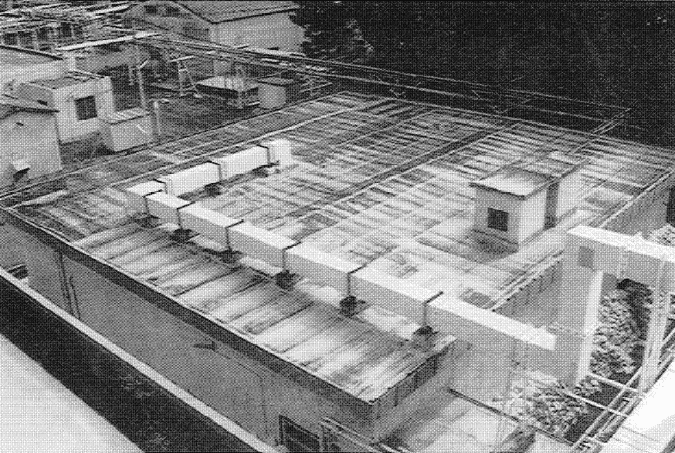
Aerial View of the Nuclear Processing Facility (IAEA)
Simultaneously with the facility’s initial report and ambulance call, information flow was established between the fire department, police, Ibaraki Prefecture administration, science and technology authorities, and health institutions.【13】 NIRS assumed a central role during the emergency in preparing for patient reception, conducting dose assessments, and defining treatment protocols. The National Mito Hospital performed initial response and triage functions; subsequent transfer of patients to NIRS was planned. As the incident progressed, off-site measurements and meteorological conditions were monitored to limit the duration of shelter-in-place orders; no widespread or persistent radioactive release to the environment was detected.
Public communications regarding the incident were initially clouded by uncertainty and information contamination. Reuse of images from the 1997 fire and explosion in some media outlets during the 1999 event heightened local anxiety. In contrast, radiation monitoring points were established around the site, and warnings regarding food and water safety were clarified. Local authorities opened information units to handle compensation claims and social support; disruptions to work and education were gradually resolved in the following days.
The three JCO workers closest to the incident—Hisashi Ouchi, Masato Shinohara, and Yutaka Yokokawa—quickly exhibited symptoms of acute radiation syndrome, including nausea, vomiting, dizziness, and transient altered consciousness. Early blood counts revealed marked lymphocyte depletion. According to dose reconstruction studies, Ouchi’s exposure was estimated at approximately 17 Sv, Shinohara’s at approximately 10 Sv, and Yokokawa, the shift supervisor who was farther away at the time, received approximately 3 Sv.
Ouchi and Shinohara, who received high doses, developed bone marrow failure, widespread skin and mucosal damage, and multi-organ dysfunction. Regional areas such as the hands and forearms showed pronounced localized high-dose effects (severe pain, edema, erythema, and progressive necrotic changes). Yokokawa exhibited moderate systemic effects and bone marrow suppression, with a relatively favorable clinical course supported by supportive care.
Exposures among other personnel and contractors within the facility were generally low, due to their distance from the incident and rapid evacuation. Reorganization of assembly areas and reduction of exposure time in high-dose-rate zones resulted in personal dosimeter readings and biomarker measurements that were mostly below or near occupational limits.
Documentary on the Tokaimura Accident (Science Unplugged)
Although first responders and healthcare workers approached areas with temporarily high dose rates due to initial uncertainty, their short exposure durations and rapid implementation of personal protective measures kept measured doses at low levels. Decontamination protocols—including clothing changes, nasal swabs, and whole-body counting—were applied to individuals suspected of contamination; no clinically significant internal irradiation was reported.
For the off-site population, the primary source of exposure was the neutron and gamma field generated in the precipitation tank. No widespread or persistent radioactive release to the environment was detected. Nevertheless, out of precaution, the area within a 350-meter radius was evacuated, and the public within a 10-kilometer radius were instructed to shelter indoors; use of well water and harvesting activities were temporarily restricted.
Local authorities conducted neighborhood-level radiation surveys; within days after the incident, thousands of people underwent health screenings. Due to low environmental dose levels, these screenings provided limited medical benefit but served primarily to alleviate public anxiety.
The overall picture demonstrated that health effects were tightly correlated with parameters such as distance, exposure duration, and directionality. The most severe clinical outcomes were confined to the three workers closest to the incident (Hisashi Ouchi, Masato Shinohara, and Yutaka Yokokawa); exposure levels for the broader facility workforce and surrounding population remained low.
Immediately after the incident, the three workers underwent initial assessments at the National Mito Hospital and were quickly transferred to the National Institute of Radiological Sciences (NIRS) and collaborating high-level clinical centers. In the initial phase, intensive supportive care was administered, including fluid-electrolyte balance and hemodynamic stabilization, infection prophylaxis, and administration of hematopoietic growth factors and transfusions. Early biological dose indicators (rapid lymphocyte depletion, chromosomal aberration analyses) confirmed high exposure; bone marrow failure was particularly evident in the two workers closest to the incident.
Treatment of Hisashi Ouchi (Mehmet Ali Güldal)
For these two patients, stem cell-based approaches were employed to support hematopoietic regeneration, alongside intensive wound care, advanced burn treatments for extensive skin lesions, pain control, and nutritional support. Due to extensive radiation-induced skin damage, loss of mucosal integrity, and disruption of the intestinal barrier, the risk of opportunistic infections was extremely high; antibiotic and antifungal treatments and isolation measures were maintained for extended periods.
Hisashi Ouchi, with an exposure of approximately 17 Sv, developed widespread tissue damage and multi-organ dysfunction that progressed despite intensive support. Masato Shinohara, with an exposure of approximately 10 Sv, experienced severe bone marrow suppression and extensive skin and soft tissue necrosis, requiring prolonged intensive care. Yutaka Yokokawa, with an exposure of approximately 3 Sv, developed moderate bone marrow suppression; after infection prophylaxis, transfusion support, and close monitoring, his condition improved and he was discharged.
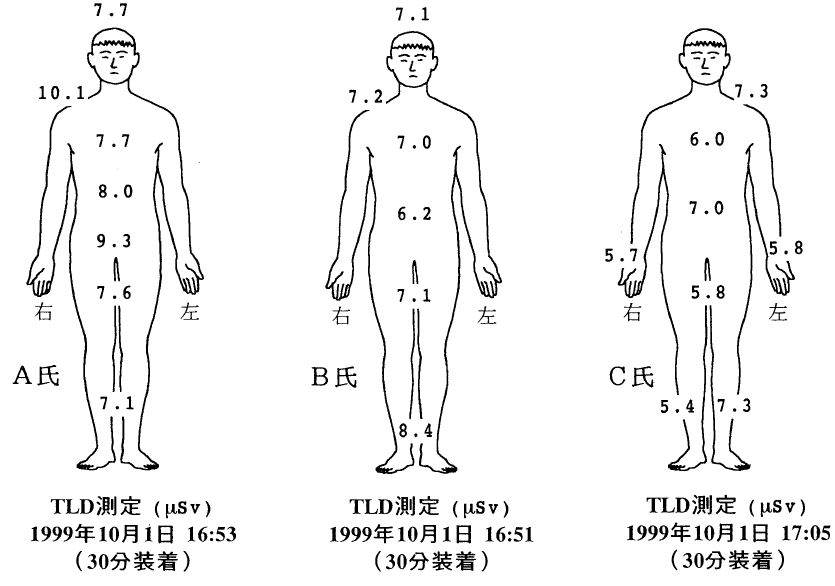
Radiation Status of Three Patients with Severe Radiation Exposure (NIRS-M-143)
Ouchi died several months after the incident; Shinohara died the following year due to complications.【14】 The clinical courses of these two cases in medical literature highlighted the limits of stem cell infusion, intensive wound care, and infection control in cases of whole-body high-dose irradiation with combined multi-organ dysfunction and widespread skin-mucosal damage, identifying these as decisive barriers to survival.
Overall findings demonstrated that the magnitude and distribution of exposure (distance, directionality, localized dose concentrations) significantly influenced clinical outcomes. In the two most severe cases, despite prolonged and intensive treatment, systemic complications dominated; in the third case, supportive care and hematological recovery led to a favorable outcome.
Following the accident, JCO’s responsibility was investigated both criminally and administratively. Investigations determined that the licensed process’s principles of “closed-loop, small-batch, geometric safety” had long been eroded on-site; the buffer tank had been bypassed in favor of bulk transfer using stainless steel buckets, and these “shortcuts” had become de facto standards through unofficial internal guidelines. Legal proceedings were initiated against company managers and personnel directly involved in the process, charging them with negligence resulting in death and violations of relevant regulations, with emphasis on evaluating both individual and institutional fault.
The trial process revealed that the weakness in safety culture was not an isolated error but a structural problem arising from gaps in oversight and training. Ultimately, sentences including imprisonment (many suspended or deferred), fines, and professional bans were imposed on those responsible; administrative penalties and compensation obligations were levied against JCO.
Administratively, the facility’s relevant licenses and permits were reviewed; measures such as “shutdown” and “operational restriction” were applied in response to violations of criticality-preventing geometric and mass limits. Operations in the unit involved in the accident were permanently halted, and detailed technical plans for safe decommissioning of the facility and secure management of existing chemical and radiological inventories were approved.
Mechanisms for handling compensation claims were established within the company and coordinated by local authorities; payments were made separately for death, injury, loss of income, and property or revenue impacts. Public institutions transformed internal operational regulations into binding rules, including updating process instructions, making personnel training mandatory and periodic, and requiring shift supervision and peer checks.
The regulatory framework was strengthened nationally following the incident. Emergency management provisions were clarified; nuclear event reporting, initial classification, inter-institutional command and control, implementation of off-site measures, and public information dissemination chains were standardized. Specialized guidelines for fuel processing facilities were updated with greater detail on criticality risk, including mass-geometry control, transfer methods (mandatory closed-loop), buffer tank use, material accounting, process monitoring, and record-keeping (lot-based traceability).
Inspection frequency and scope were increased; unannounced site inspections, operator competency examinations, and drill requirements were codified into law. Criteria for shelter-in-place and evacuation decisions were simplified in coordination with local authorities; real-time data sharing from monitoring networks (environmental dose rates, air and soil sampling) was implemented.
In the realm of corporate culture, root causes of informal practices developed under the banner of “speed and efficiency” were addressed. Tensions between production targets and safety goals were mitigated by redefining performance indicators; safety performance metrics (violation reports, near-miss records, procedural deviation logs) were linked to management incentives. Training curricula incorporated fundamental principles of criticality physics, case-based lessons, and modules on human factors (fatigue, routine complacency, attention distraction). Equivalent safety standards were mandated for the supply chain and contractor management; role-based competency certification became mandatory for all personnel entering the site.
At the international level, findings from technical observation and advisory missions were incorporated into Japan’s regulatory texts and implementation guides. The emphasis in agency reports that “design safety limits alone are insufficient and that on-site operational discipline is decisive” was integrated into the methodology of regulatory authorities. Thus, both the organizational structure of regulatory bodies and internal control mechanisms of operators were strengthened after Tokaimura, establishing a multi-layered safety network to prevent recurrence of similar criticality scenarios in fuel processing and conversion facilities.
The occurrence of a criticality accident at a fuel processing facility near residential and daily life areas profoundly shook public confidence in Tokaimura and its surroundings. Emergency decisions on shelter-in-place and partial evacuation, temporary school closures, transportation restrictions, and precautionary limitations on routine activities such as well-water use and harvesting disrupted daily life in the short term.
Local residents, influenced by early uncertainty and information contamination, expressed concerns about food and water safety. Radiation monitoring points established at the neighborhood level and widespread health screenings served less as medical necessities and more as mechanisms to restore social reassurance. Psychosocial effects such as sleep disturbances, somatic complaints, and a sense of future uncertainty became prominent, demonstrating that the social impact of the incident extended far beyond its limited physical consequences.
Economically, short-term disruptions were particularly evident among small businesses, service providers, and nearby agricultural producers. Shelter-in-place orders and temporary closures led to declines in daily income cycles; in agriculture and food supply chains, perceived risk caused limited market contraction. Since environmental measurements showed no persistent or widespread radioactive release, this effect did not evolve into a long-term economic crisis.
Nevertheless, a form of “label risk”—perceived damage to product and tourism/service business appeal—briefly weakened their attractiveness. The establishment of compensation mechanisms, including payments for death, injury, loss of income, and economic impacts, aimed to offset this temporary decline.
The criticality accident in Tokaimura reshaped Japan’s understanding of nuclear safety, clearly demonstrating the need to bridge the gap between design assurances and on-site practices. It became widely accepted that the mere existence of a licensed process on paper was insufficient; operational discipline, operator competence, record-keeping and traceability, and peer checks must be concretely embedded in daily routines. In this direction, closed-loop small-batch operations, mandatory buffer tank use, verification of mass-geometry limits through measurable on-site indicators, and unannounced inspections were strengthened in fuel processing and conversion facilities.
Regulatory authorities emphasized that criticality-preventing design was not a “last line of defense” but merely one component of a multi-layered safety network; human factors and institutional culture assessments were incorporated into standard reporting categories. Lasting changes were also established in emergency management and risk communication. Thresholds for shelter-in-place and evacuation decisions were simplified using measurable criteria; results from off-site monitoring networks were structured around real-time data sharing.
Command and control flows between local administrations and central institutions were clarified; frequency of drills and multi-institutional scenarios were increased. Problems such as the uncertainty experienced on the day of the incident and the confusion caused by mixing images from previous years were addressed by adopting principles of unified messaging and early verification. Thus, even in incidents with limited physical effects but broad psychosocial impacts, rapid restoration of public trust became a goal.
In terms of medical legacy, the Tokaimura cases became landmark cases in the clinical management of high whole-body radiation exposure. Experience gained in early biological dose estimation, hematopoietic support strategies, long-term care of extensive skin-mucosal damage, and infection control was reflected in subsequent guidelines and clinical protocols. Particularly, the limits of stem cell interventions and the importance of palliative and supportive care became clearer in cases combining multi-organ dysfunction with widespread tissue damage.
At the level of collective memory, Tokaimura became a symbol underscoring the necessity of transparency and trust-building in nuclear activities located near populated areas. The fact that a chemical/thermal fire and explosion in 1997 was followed by a criticality accident in 1999 at the same settlement exposed gaps in institutional learning; as a result, information sharing between facilities, rapid integration of accident lessons into internal guidelines, and increased case-based content in personnel training were adopted as permanent imperatives. Ultimately, Tokaimura is not merely recorded as an accident chronicle but has become a lasting reference point in nuclear safety literature, particularly in the domains of safety culture, regulatory capacity, and social legitimacy.
BMJ. "NICE to Rule on Influenza Flu Drug Zanamivir." By Gavin Yamey. *BMJ* 319, no. 7215 (October 9, 1999): 937. Accessed September 22, 2025. https://pmc.ncbi.nlm.nih.gov/articles/PMC1116789/pdf/937.pdf.
Brynhildsen, Megan. “Problems in the Nuclear Age: The 1999 Nuclear Accident in Japan.” *Colorado Environmental Law Journal* 11, no. 3 (1999): 241–. Accessed September 22, 2025. https://scholar.law.colorado.edu/cgi/viewcontent.cgi?article=1545&context=celj.
Citizens’ Nuclear Information Center. “Fire and Explosion at PNC’s Tokai Bituminization Facility.” Nuke Info Tokyo, no. 58 (March/April 1997). Accessed September 22, 2025. https://cnic.jp/english/newsletter/pdffiles/nit58.pdf.
Endo, Akira, Yasuhiro Yamaguchi, and Nobuhito Ishigure. *Analysis of Dose Distributions for the Heavily Exposed Patients in the Criticality Accident at Tokai-mura: Joint Research Program between JAERI and NIRS*. JAERI-Research 2001-035. Tokai-mura: Japan Atomic Energy Research Institute, April 2001. Accessed September 22, 2025. https://jopss.jaea.go.jp/pdfdata/JAERI-Research-2001-035.pdf.
Hara, Takushi. “MAISアプローチによる東海村JCO臨界事故の分析:臨界発生から臨界終息に至るまで.” *関西大学商学論集* 69, no. 1 (June 2024): 55–. Accessed September 22, 2025. https://kansai-u.repo.nii.ac.jp/record/2001577/files/KU-1100-20240610-04.pdf.
Ibaraki Tokai, "Fire and Explosion at Bituminization Facility in Power Reactor and Nuclear Fuel." Failure Knowledge Database 100 Selected Cases, Accessed September 22, 2025. https://www.shippai.org/fkd/en/hfen/HC1000190.pdf.
International Atomic Energy Agency. *Lessons Learned from the JCO Nuclear Criticality Accident in Japan in 1999*. Vienna: IAEA, 2009. Accessed September 22, 2025. https://www-ns.iaea.org/downloads/iec/tokaimura-report.pdf.
International Atomic Energy Agency. *Report on the Preliminary Fact Finding Mission Following the Accident at the Nuclear Fuel Processing Facility in Tokaimura, Japan*. Vienna: IAEA, 1999. Accessed September 22, 2025. https://www.iaea.org/publications/5957/report-on-the-preliminary-fact-finding-mission-following-the-accident-at-the-nuclear-fuel-processing-facility-in-tokaimura-japan.
McCurry, Justin. “Japan Plans Tests on Nuclear-Accident Victim.” *The Lancet* 355, no. 9198 (January 8, 2000): 127. Accessed September 22, 2025. https://www.thelancet.com/journals/lancet/article/PIIS0140-6736(05)72048-1/fulltext.
Mehmet Ali Güldal. “Tarihteki En Radyoaktif Adam - ‘Yaşarken Çürümeye Başladı.’” YouTube. Accessed September 22, 2025. https://www.youtube.com/watch?v=G_HLd5cRWlc
Ovalı, Ercüment. *Radyasyon Kazaları*. Türk Hematoloji Derneği. Accessed September 22, 2025. https://www.thd.org.tr/thddata/books/29/radyasyon-kazalari-ercument-ovali.pdf.
Power Reactor and Nuclear Fuel Development Corporation. *放射性物質の放出量並びに作業者及び公衆の被ばく線量の評価: アスファルト固化処理施設火災爆発事故原因究明・再発防止に関する報告 (PNC-TN-8410-98-048)*. Tokai-mura: PNC, February 1998. Accessed September 22, 2025. https://jopss.jaea.go.jp/search/servlet/search?4026076.
Ryan, Michael E. *The Tokaimura Accident: Nuclear Energy and Reactor Safety*. University at Buffalo, State University of New York. Accessed September 22, 2025. https://static.nsta.org/case_study_docs/case_studies/tokaimura.pdf.
Science Unplugged. "The Tokai Mura Disaster: Japan’s Worst Nuclear Accident." YouTube. Accessed September 22, 2025. https://www.youtube.com/watch?v=XbuJqmUdoH4.
Shibata, Noriyoshi. “東海村JCO臨界事故.” *日本物理学会誌* 55, no. 8 (2000): 579–586. Accessed September 22, 2025. https://www.jstage.jst.go.jp/article/butsuri1946/55/8/55_8_579/_pdf/-char/ja.
Tsuchiya, Shigehisa, Azumi Tanabe, Terumi Narushima, Kei Ito, and Koji Yamazaki. “An Analysis of Tokaimura Nuclear Criticality Accident: A Systems Approach.” 2001. Accessed September 22, 2025. https://www.semanticscholar.org/paper/An-Analysis-of-Tokaimura-Nuclear-Criticality-%3A-A-Tsuchiya-Tanabe/2bef78337d27835beaf4fd5ce3f7a023ad2f0778.
United States Nuclear Regulatory Commission. *NRC Review of the Tokai-Mura Criticality Accident*. Washington, D.C.: Division of Fuel Cycle Safety and Safeguards, Office of Nuclear Material Safety and Safeguards, April 2000. Accessed September 22, 2025. https://www.nrc.gov/reading-rm/doc-collections/commission/secys/2000/secy2000-0085/attachment1.pdf.
“JCO Accident Report Preparation Subcommittee Members and Related Staff.” *NIRS Report on the Tokaimura Uranium Processing Plant Criticality Accident* (NIRS-M-143). Tokyo: National Institute of Radiological Sciences, January 2001. Accessed September 22, 2025. https://repo.qst.go.jp/records/73657.
[1]
International Atomic Energy Agency, Report on the Preliminary Fact Finding Mission Following the Accident at the Nuclear Fuel Processing Facility in Tokaimura, Japan (Vienna: IAEA, 1999), s. 20.
[2]
Ibaraki Tokai, “Fire and Explosion at Bituminization Facility in Power Reactor and Nuclear Fuel.” Failure Knowledge Database 100 Selected Cases, s. 2.
[3]
Citizens’ Nuclear Information Center, “Fire and Explosion at PNC’s Tokai Bituminization Facility,” Nuke Info Tokyo, no. 58 (March/April 1997), s. 2.
[4]
Citizens’ Nuclear Information Center. (a.g.e), s. 3.
[5]
Citizens’ Nuclear Information Center. (a.g.e), s. 6.
[6]
Citizens’ Nuclear Information Center. (a.g.e), s. 1.
[7]
Kritiklik: çekirdek bölünmesi (fisyon) tepkimesinin kontrolsüz şekilde kendiliğinden sürer duruma gelmesi.
[8]
United States Nuclear Regulatory Commission, NRC Review of the Tokai-Mura Criticality Accident (Washington, D.C.: Division of Fuel Cycle Safety and Safeguards, Office of Nuclear Material Safety and Safeguards, April 2000), s. 15.
[9]
United States Nuclear Regulatory Commission. (a.g.e), s. 16.
[10]
“JCO事故報告書作成小委員会メンバー及び関係職員,” 東海村ウラン加工工場臨界事故に関する放医研報告書 (NIRS-M-143) (Tokyo: 放射線医学総合研究所, January 2001), s. 6.
[11]
JCO事故報告書作成小委員会メンバー及び関係職員. (a.g.e), s. 48.
[12]
International Atomic Energy Agency. (a.g.e), s. 18.
[13]
International Atomic Energy Agency. (a.g.e), s. 21.
[14]
JCO事故報告書作成小委員会メンバー及び関係職員. (a.g.e), s. 77.


Date(s) | 11 March 1997 (Dōnen) 30 September 1999 (JCO) | ||||||||
|---|---|---|---|---|---|---|---|---|---|
Facility | Conversion Test Building (JCO) Bituminization Demonstration Facility (Dōnen) | ||||||||
Activity | Uranium fuel chemical conversion (JCO) Bituminization (Dōnen) | ||||||||
Result (Dōnen) | Transparency-reporting and risk communication discussions Low-level exposure among workers | ||||||||
Result (JCO) | Experimental treatments International Nuclear Event Scale (INES) Level 4 classification Temporary school closures Shelter-in-place call within 10 km radius Evacuation within 350 m radius Severe radiation exposure in three workers | ||||||||
No Discussion Added Yet
Start discussion for "Tokaimura Nuclear Accidents" article
1997 Tokaimura Accident (Dōnen Incident)
1999 Tokaimura Accident
Background of the Accident
Course of the Incident
Emergency Response and Evacuation
Health Effects
Medical Management and Outcomes
Legal and Institutional Consequences
Social and Economic Impacts
Legacy of the Accident