


This article was automatically translated from the original Turkish version.
+1 More
Şerbet constitutes one of the original beverage categories of Ottoman culinary culture. The word “şerbet,” derived from the Arabic root “sharba,” meaning “to drink,” refers to non-alcoholic beverages typically prepared by mixing extracts of fruits, flowers, spices, or herbs with water and sweeteners—most commonly sugar or honey. During the Ottoman Empire, the prohibition of alcoholic beverages under the influence of Islam created fertile ground for the emergence and development of an exceptionally rich and diverse şerbet culture. Şerbets were consumed not only as refreshing and thirst-quenching drinks but also as accompaniments to meals, offerings to guests, and even remedies for certain illnesses.
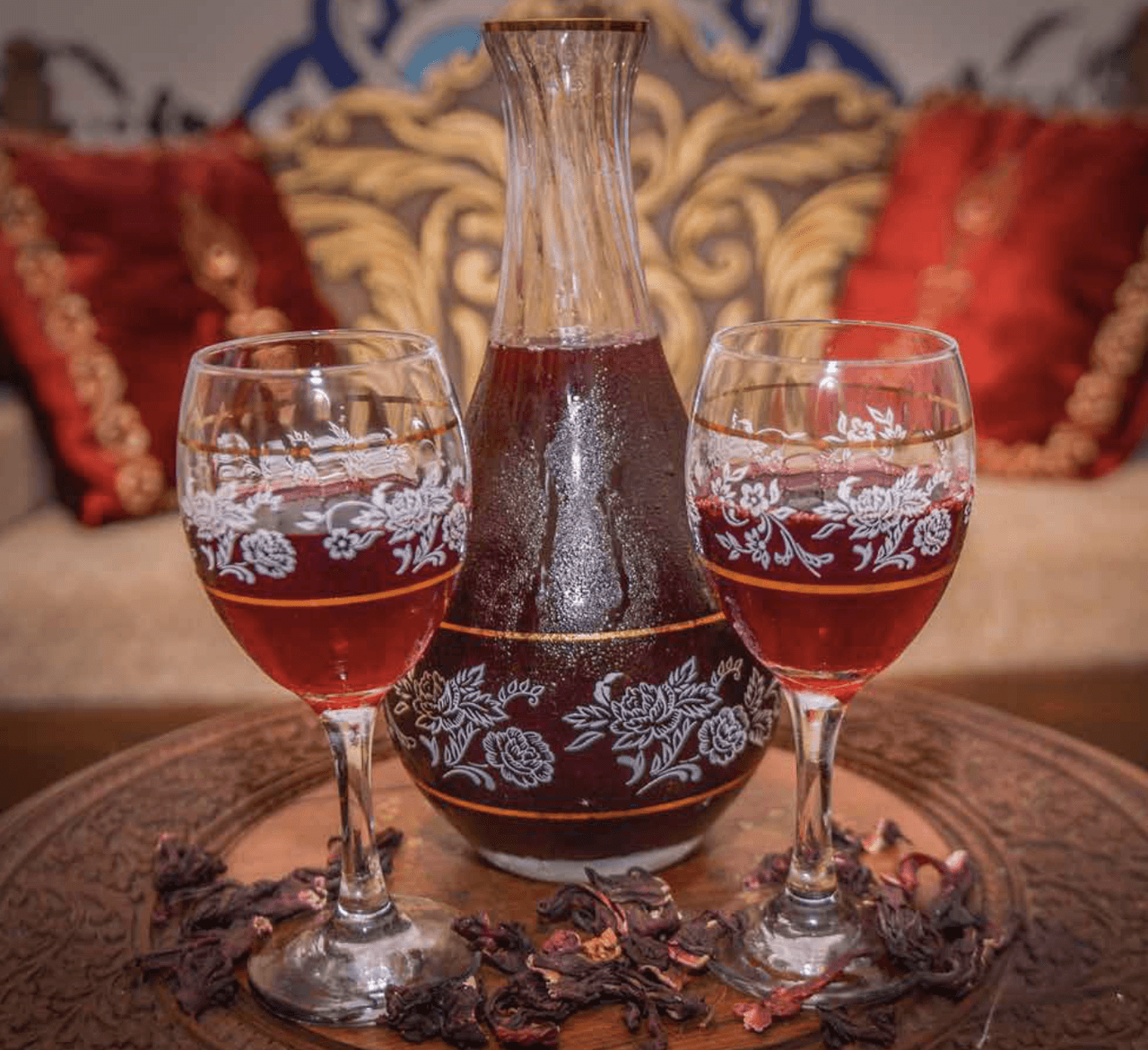
Pomegranate Flower (Hibiscus) Şerbet (Trabzon Maturation Institute)
Although şerbet consumption dates back to the Seljuk period, it reached its golden age during the Ottoman Empire. In the Ottoman palace, şerbet preparation was carried out with great care in specialized units known as helvahane or şerbethane. While part of the palace’s şerbet supply was produced in these facilities, certain special şerbets and their ingredients were imported from various regions of Anatolia and even distant lands such as Egypt. The Şerbetçibaşı, the highest-ranking official responsible for sourcing şerbet ingredients and ensuring their quality, oversaw this process. Historical records indicate that by the 18th century, the Galata Palace employed a staff of six şerbet makers.
To serve şerbet chilled, snow and ice were transported from mountains and stored in special depots in Istanbul known as “karlık.” These specially designed containers kept şerbet cold without dilution. Şerbet was served in crystal pitchers, specialized jugs, and bowls.
Traditional Ottoman şerbets were made using a wide variety of natural ingredients, including fresh and dried fruits (grape, pomegranate, cherry, apricot, tamarind, cranberry, koruk, lemon), flowers (rose, violet, water lily, jacaranda, hawthorn, jasmine), spices (cinnamon, clove, ginger, saffron, licorice root, anise), honey, sugar, and various endemic plants. Until the 15th century, honey and grape molasses were the most common sweeteners; after this period, sugar usage increased significantly.
Generally, two primary preparation methods were employed:
This method allowed şerbet to be stored for longer periods. Flower şerbets were prepared either by rubbing fresh flower petals with sugar or crushing them in a mortar to transfer their color and fragrance into the sugar, then dissolving the mixture in water; alternatively, dried flowers were steeped in hot water.
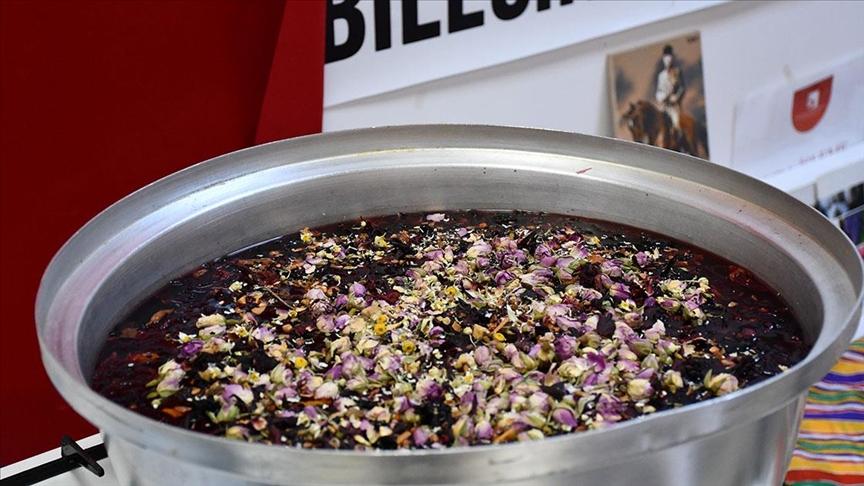
Şerbet Preparation (AA)
It is known that hundreds of different şerbet varieties were produced in Ottoman cuisine. Some of the most well-known and widely consumed Ottoman şerbets include:

Postpartum Şerbet (Trabzon Maturation Institute)
In addition to these, other varieties mentioned in historical sources but with insufficiently documented recipes include Dinar/Dinarî Şerbet, Fuka’ Şerbet (a general term for şerbets sold by itinerant vendors), and Nevruz Şerbet (prepared specifically for the Nevruz festival). The Seyahatname of Evliya Çelebi also records numerous types of şerbet.
Şerbet held an important place in Ottoman social life. It could be consumed at any time of day and often replaced water with meals. Before coffee and tea became widespread, şerbet was the primary beverage offered to guests. It was traditionally served during special occasions such as births, engagements, weddings, circumcisions, mevlids, and throughout the month of Ramadan.
Şerbet consumption was also widespread among the general public. Şerbet shops and itinerant şerbet vendors were common throughout the streets of Istanbul, offering a variety of şerbets to the populace. Records from the 16th century indicate that Istanbul had 300 şerbet shops and 600 itinerant şerbet sellers. Regulations governing şerbet vendors were codified in law, covering aspects such as ingredient quality, taste, clarity, temperature, and hygiene in presentation.
Anadolu Ajansı. “Osmanlı Şerbetlerinin Geleneksel Ürün Adı Olması İçin Başvuru Yapıldı.” Accessed June 5, 2025. https://www.aa.com.tr/tr/kultur/osmanli-serbetlerinin-geleneksel-urun-adi-olmasi-icin-basvuru-yapildi/3519272.
Aydın, Fatıma. “Şairin Mutfağından Şerbet Çeşitleri.” HAFIZA 5, no. 1 (2023): 69–91. https://doi.org/10.56671/hafizadergisi.1296088.
Güneş, Eda, Sümeyye Baldık, Mehmet İhsan Okumuş, and Ali Emiralioğlu. “Geleneksel Şerbetlerin Restoranlarda Kullanımı.” *Gastroia: Journal of Gastronomy and Travel Research* 9, no. 1 (2025): 1–13. https://doi.org/10.32958/gastoria.1426426.
Haydaroğlu, İlknur. “Osmanlı Saray Mutfağından Notlar.” *Tarih Araştırmaları Dergisi* 22, no. 34 (2003): 1–10. https://doi.org/10.1501/Tarar_0000000157.
Sarıoğlan, Mehmet, and Gülhan Cevizkaya. “Türk Mutfak Kültürü: Şerbetler.” *Ordu Üniversitesi Sosyal Bilimler Enstitüsü Sosyal Bilimler Araştırmaları Dergisi* 6, no. 14 (2016): 237–250. https://dergipark.org.tr/tr/pub/odusobiad/issue/27560/289970.
Sayın, Aybuke, Ceyhun Sezgin, and Pınar Durmaz. “Osmanlı Mutfak Kültüründe Şerbetlerin Yeri ve Tüketimi (The Place and Consumption).” *Journal of Tourism and Gastronomy Studies* 1499 (2019): 1518. https://avesis.hacibayram.edu.tr/yayin/96344331-c9ec-40f7-b1ff-731e2bd71e71/osmanli-mutfak-kulturunde-serbetlerin-yeri-ve-tuketimi.
T.C. Ministry of National Education. "Şerbet Tarifleri." Trabzon Olgunlaşma Enstitüsü. Accessed June 5, 2025. https://trabzonolgunlasma.meb.k12.tr/meb_iys_dosyalar/61/01/202971/dosyalar/2017_12/08154824_YERBET_KYTABI-web2.pdf.

No Discussion Added Yet
Start discussion for "Traditional Ottoman Sherbet Varieties" article
Historical Development and Role in the Palace
Key Ingredients and Preparation Methods
Main Types of Ottoman Şerbet
Fruit Şerbets
Flower Şerbets
Spice, Herb, and Root Şerbets
Special and Ceremonial Şerbets
Cultural Role and Consumption